
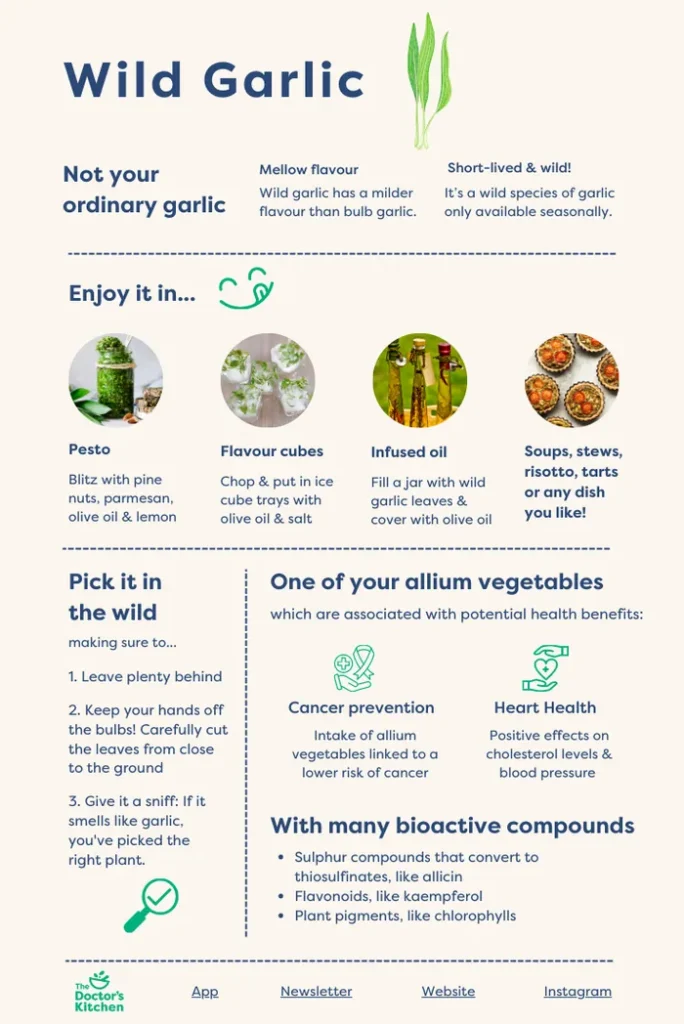
Wild garlic, also known as wild onion or Allium ursinum, is a perennial herbaceous plant that grows naturally in woods and along streams. Its distinctive flavor of garlic makes it a popular ingredient in cooking. With its rich history and numerous health benefits, wild garlic has become a sought-after ingredient for many chefs and home cooks.
Wild garlic has been used for centuries for its health benefits. Recent studies have shown that wild garlic may help lower cholesterol and blood pressure, as well as exhibit antibacterial properties. Additionally, it is a source of essential vitamins and minerals for the body. In this article, we will delve into the world of wild garlic, exploring its identification, habitat, culinary uses, harvesting, conservation, cultivation, and similar plants.
Contents
- Identification of Wild Garlic
- Habitat and Distribution
- Culinary Uses and Properties
- Harvesting and Conservation
- Cultivation
- Identifying Similar Plants
- Health Benefits and Risks
- Using Wild Garlic in Cooking
1. Identification of Wild Garlic
Wild garlic, also known as Allium ursinum, is a perennial herbaceous plant that grows naturally in woods and along streams. It can be identified by its shiny, oval-shaped leaves and characteristic garlic flavor.
To correctly identify wild garlic, consider the following details:
- The leaves are slightly glossy, oval, and pointed
- They differ from those of colchicum in being more flexible
- Wild garlic has a strong garlic aroma
It is crucial to properly identify wild garlic before harvesting it, as some similar plants can be toxic. If you’re new to foraging, it’s recommended to consult with an experienced forager or take a guided tour.
2. Habitat and Distribution
Wild garlic grows naturally in many areas of the Mediterranean region. In Italy, this plant is found throughout almost all regions except for Valle d’Aosta and Trentino-Alto Adige.
Geographical Areas
- Wild garlic can be found in entire Europe and northern Asia
- It is present from 1500 meters above sea level in Italy
Environmental Conditions
- It thrives in dry areas, woods, roadsides, fields, vines, shaded places, and near water sources
- The plant blooms between April and June and prefers a cool, temperate climate with minimal heat
3. Culinary Uses and Properties
Wild garlic can be used in many traditional recipes:
- One classic recipe is the wild garlic soup
- It can also be added to pasta or rice dishes
- You can spread it on bread, use it in salads, or add it to sauces and stews
Wild garlic has several health benefits. These include its richness in antioxidants and essential vitamins and minerals.
Antioxidant Properties
- Wild garlic contains a significant amount of antioxidants
- This is beneficial for the body’s overall health
Nutritional Benefits
- It contains important vitamins C, A, and K
- Rich in iron, calcium, and potassium
4. Harvesting and Conservation
Harvesting wild garlic requires careful consideration to ensure its sustainability. Here are some tips:
- Only harvest what you need, leaving enough for the local ecosystem
- Avoid over-harvesting, as this can harm the plant’s population
- Be mindful of protected areas and private property
Conservation Efforts
- Many organizations work to protect wild garlic habitats and promote sustainable foraging practices
- Some countries have established national parks or nature reserves to safeguard wild garlic populations
5. Cultivation
While wild garlic can be cultivated, it is not a straightforward process. Here are some key considerations:
- Wild garlic requires specific growing conditions, including shade and moist soil
- It can be challenging to propagate wild garlic from seed, as the seeds may not germinate well
- Cultivated wild garlic may not have the same flavor profile as wild-grown garlic
6. Identifying Similar Plants
Some plants may resemble wild garlic but are actually toxic or unpalatable. Here are some common lookalikes:
- Chives (Allium schoenoprasum)
- Garlic chives (Allium tuberosum)
- Colchicum (Colchicum autumnale)
- Hyacinth (Hyacinthus orientalis)
7. Health Benefits and Risks
While wild garlic is generally considered safe to consume, there are some potential health risks to be aware of:
- Allergic reactions: Some people may experience allergic reactions after consuming wild garlic
- Interaction with medications: Wild garlic may interact with certain medications, such as blood thinners
- Pregnancy and breastfeeding: Pregnant or breastfeeding women should consult their healthcare provider before consuming wild garlic
8. Using Wild Garlic in Cooking
Wild garlic can be used in a variety of dishes, from savory meals to sweet treats. Here are some ideas:
- Add fresh wild garlic leaves to pasta sauces for added flavor
- Mix minced wild garlic into mashed potatoes or roasted vegetables
- Use wild garlic to make homemade bread or crackers
- Add wild garlic to smoothies or juices for an extra boost of antioxidants
When using wild garlic in cooking, remember that it has a stronger flavor than common garlic. Start with small amounts and adjust to taste.
Conclusion
Wild garlic is a unique and versatile ingredient that offers numerous health benefits and culinary uses. By understanding its identification, habitat, and harvesting practices, you can enjoy the flavors of this amazing plant while ensuring its sustainability for future generations. Whether you’re a seasoned chef or an enthusiastic forager, wild garlic is definitely worth exploring in your kitchen and beyond.


