
Introduction
Fennel, also known as wild fennel or finocchio selvatico, is a perennial herb that grows wild throughout Italy, including islands. This article will provide you with a comprehensive guide on how to find, identify, and use wild fennel in your cooking.
When to Find Wild Fennel
Wild fennel can be found practically all year round! In the spring, it produces fresh shoots and leaves, which are perfect for salads or sautéing. Summer brings delicate flowers that form into bulbous fruits, often referred to as “seeds” of wild fennel. Autumn is a great time to harvest its roots, while winter provides an opportunity to collect the plant’s seeds.
Identifying Wild Fennel
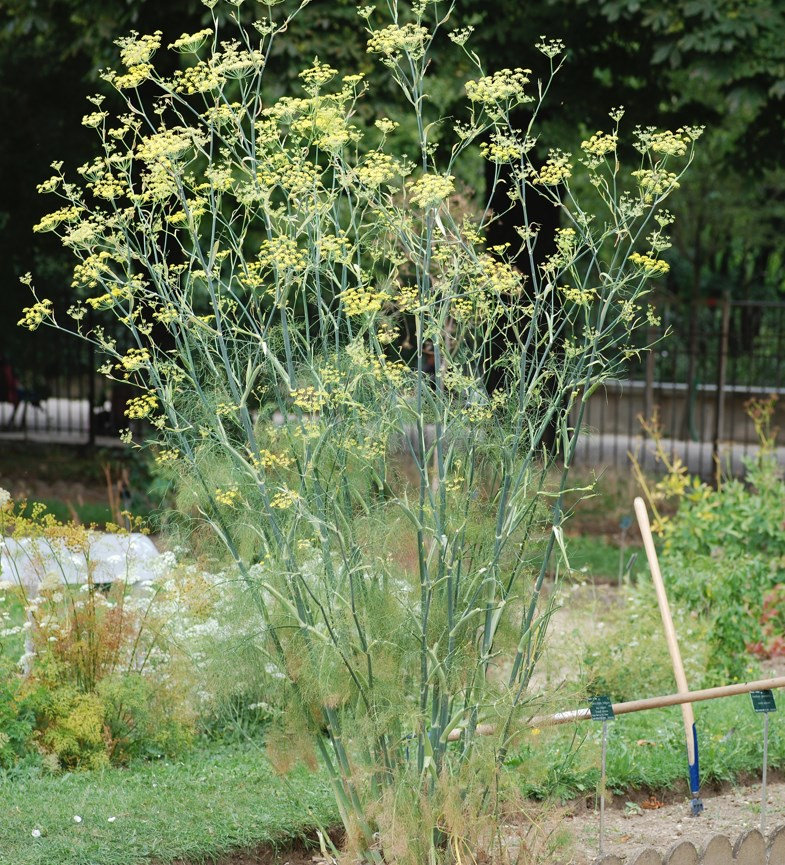
To recognize wild fennel (Foeniculum vulgare), look for finely frayed leaves that resemble threads or filaments. The stems are thick and juicy, with easy-to-remove bark. Summer brings bright yellow flowers arranged in ombrellas, while the plant’s bulbous fruits often get mistakenly referred to as seeds.
Where to Find Wild Fennel
Wild fennel can be found everywhere in Italy, including islands, and is widely distributed across Europe and other parts of the world. Look for it in sunny areas with calcareous soil, or in areas with rocky slopes.
Ideal Locations for Finding Wild Fennel
- In sunny spots
- Along paths or walls
- In uncultivated fields or meadows
- On rocky slopes
- On well-drained sandy soils
Wild fennel prefers a Mediterranean climate and can thrive in mountainous regions, even up to 1,000 meters above sea level.
Using Wild Fennel in the Kitchen
Wild fennel is used in fitoterapy due to its natural healing properties. In ancient times, it was primarily used as a culinary herb before being adopted for therapeutic purposes.
Some popular ways of using wild fennel include:
- Young shoots and leaves can be added to salads or cooked as a vegetable
- The outer layer of stems (guaine esterna) is commonly used in cooking
- Inner parts of stems, including the tender tips (piccioli fogliari), are often used for flavoring soups, stews, and sauces
- Fennel fronds can be added to a variety of dishes, from salads to pasta dishes
- The seeds or “fruits” can be harvested in mid-summer and used as a spice
Some people prefer using wild fennel seeds for making tea. They’re often roasted before being ground into a fine powder.
Precautions and Preparations
Before consuming wild fennel, ensure that it is properly identified to avoid confusion with other plants that may look similar. Consult a trusted field guide or consult an expert if you are unsure about the identity of the plant.
Also, be aware of any local regulations regarding the harvesting of wild fennel. In some areas, the plant may be protected by law, and its removal may be subject to permits or restrictions.
Culinary Uses
Wild fennel can add a unique flavor profile to various dishes, from soups to salads. It pairs particularly well with seafood, vegetables, and grains. Experiment with different preparations to find your favorite way of using this versatile herb.
Some popular dishes that incorporate wild fennel include:
- Fritto misto: A classic Italian appetizer featuring fried vegetables, including wild fennel, served with a tangy marinara sauce.
- Pasta all’aglione: A traditional Neapolitan pasta dish made with garlic, olive oil, and wild fennel for added depth of flavor.
- Focaccia di finocchio: A delicious flatbread infused with the aniseed flavor of wild fennel.
Medicinal Uses
Wild fennel has been used in traditional medicine for centuries due to its natural healing properties. It is often consumed as a tea or taken in supplement form to support digestive health, alleviate stress and anxiety, and boost immune function.
Some potential benefits of using wild fennel include:
- Anti-inflammatory effects
- Antioxidant properties
- Digestive aid
- Stress relief
Conclusion
Wild fennel is an excellent addition to any kitchen, offering a variety of uses and benefits beyond its culinary appeal. To find and enjoy this herb, look for sunny spots with well-drained soil, especially in mountainous regions. Be sure to harvest responsibly and respect local regulations regarding wild plant harvesting.
If you have any questions or concerns about using wild fennel, feel free to ask!
Frequently Asked Questions (FAQs)
- Is it safe to eat wild fennel?
- Generally, yes! However, make sure to correctly identify the plant before consuming it.
-
Can I use wild fennel for medicinal purposes?
- Yes, wild fennel has been used in traditional medicine for centuries due to its natural healing properties.
-
How do I harvest wild fennel seeds?
- Collect the seed pods when they start to dry out and turn a light brown color. Harvest them gently, making sure not to damage the seeds.
-
Can I grow my own wild fennel plant?
- Yes, you can! Wild fennel prefers well-drained soil and full sun. Plant it in an area that receives direct sunlight for at least six hours a day.
-
Is it possible to cultivate wild fennel instead of growing domesticated varieties?
- No, as wild fennel is a naturally occurring plant that cannot be cultivated on a large scale due to its tendency to spread and adapt to different environments.
-
Can I use wild fennel seeds for cooking or medicinal purposes?
- Yes! Wild fennel seeds can be roasted and ground into a powder, then used as a spice in various dishes or taken as a supplement for their health benefits.
-
Are there any potential side effects of consuming wild fennel?
- Generally not, but excessive consumption may cause digestive discomfort in some individuals.


