
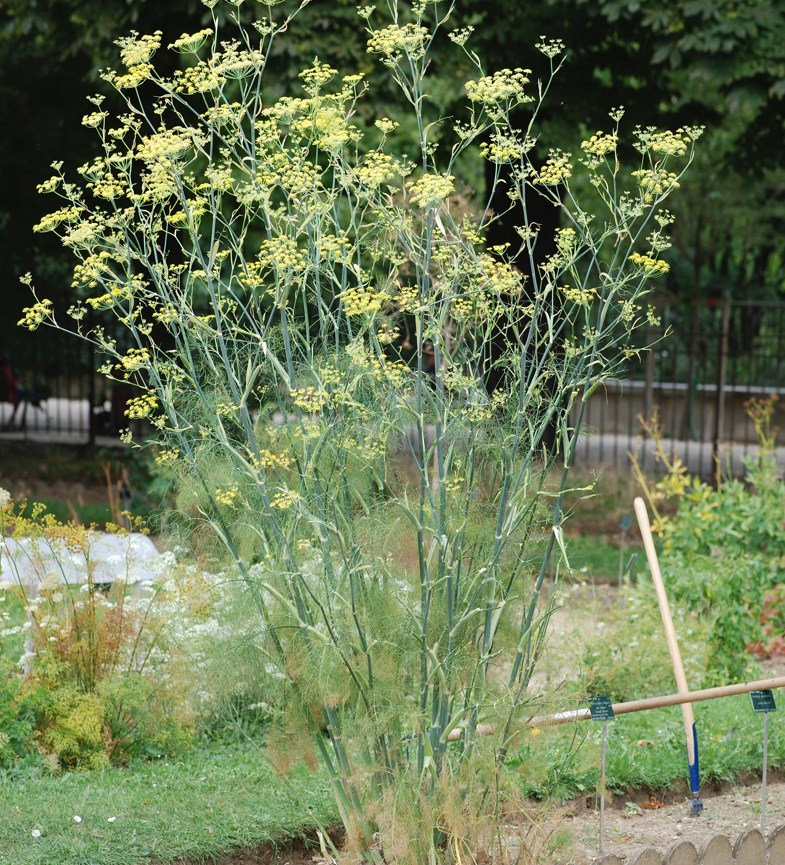
Fennel, also known as Wild Fennel (Foeniculum vulgare), is a perennial plant that grows wild in Italy, with two subspecies having the same medicinal properties. This article will delve into the characteristics of Wild Fennel, its cultivation requirements, and explore its various uses.
Characteristics of Wild Fennel
Wild Fennel has a spicy flavor and aroma, making it an excellent addition to many dishes. There are two subspecies: Piperitum (perennial) and Vulgare (annual). The former has a sweet aroma, while the latter is more pungent.
- Appearance: Wild Fennel can grow up to 1.5 meters tall with slender stems and dark green, lance-shaped leaves.
- Flowers: It produces small white or yellowish flowers in clusters at the top of the stem.
- Roots: The plant’s roots are thick and fibrous, making them useful for medicinal purposes.
Subspecies of Wild Fennel
The most commonly used subspecies in medicine is Finocchio Amaro, also known as Wild Fennel. It’s highly concentrated and rich in active principles.
- Piperitum: This perennial subspecies has a sweet aroma and is often used for medicinal purposes.
- Vulgare: The annual subspecies is more pungent and less commonly used for medicine.
Properties of Wild Fennel
Wild Fennel has numerous health benefits due to its rich composition of active principles. Some of the key properties include:
- Digestive aid: Helps with digestion, particularly with fatty foods.
- Carminative properties: Relieves gas and bloating.
- Antiacid properties: Reduces stomach acid and soothes digestive issues.
- Antifungal properties: Effective against fungal infections.
- Antispasmodic properties: Eases muscle spasms and cramps.
- Expectorant properties: Relieves respiratory issues, such as bronchitis.
- Antiemetic properties: Helps with nausea and vomiting.
Uses of Wild Fennel
Wild Fennel is used in various ways:
- Infusions: Used to treat digestive issues, such as bloating and gas.
- Marmellata (jelly): Made from the plant’s leaves and stems.
- Liquor: Finocchio Liquore is a popular digestif.
- Cooking: Young fennel greens are used in salads and cooked dishes.
Where to Find Wild Fennel
Wild Fennel can be found in areas where olive trees and grapevines are cultivated. To identify it, look for its distinctive aroma and flavor.
- Regions: It grows wild in Italy, particularly in the regions of Tuscany, Umbria, and Lazio.
- Habitat: Wild Fennel thrives in dry, sunny areas with well-drained soil.
Cultivation of Wild Fennel
Wild Fennel can be grown in home gardens or cultivated on a larger scale. Here are some tips for cultivating this plant:
- Sowing: Sow seeds in late April or early May, when temperatures reach 15-16°C.
- Spacing: Leave about 25 cm between plants and 45 cm between rows.
- Concentration: Use nitrogen, phosphorus, and potassium fertilizers to promote healthy growth.
- Watering: Regular irrigation is necessary, but avoid overwatering.
Harvesting Wild Fennel
To get the most out of your Wild Fennel crop, it’s essential to harvest it at the right time:
- Timing: Harvest the plant in its early stages of growth for best flavor and aroma.
- Methods: Use a sickle or scythe to cut the stems near the base of the plant.
- Storage: Store harvested fennel in a cool, dry place.
Conclusion
Wild Fennel is a versatile herb with numerous benefits and uses. Its cultivation requires careful attention to detail, but the reward is well worth it. With proper care and handling, Wild Fennel can be enjoyed throughout the year.
Frequently Asked Questions
- Q: How do I identify Wild Fennel?
- A: Look for its distinctive aroma and flavor, as well as its tall, slender stems.
- Q: Can I grow Wild Fennel indoors?
- A: While possible, it’s challenging to cultivate Wild Fennel indoors due to its specific requirements.
- Q: Is Wild Fennel edible in large quantities?
- A: Consuming excessive amounts of Wild Fennel can cause digestive issues and allergic reactions.
- Q: Can I use Wild Fennel as a natural remedy for allergies?
- A: While some people report relief from allergy symptoms using Wild Fennel, more research is needed to confirm its effectiveness.
- Q: How do I store Wild Fennel seeds for later use?
- A: Store the seeds in an airtight container at room temperature or in the refrigerator to preserve their viability.
- Q: Can I grow multiple varieties of Wild Fennel together?
- A: While possible, mixing different varieties may lead to reduced yields and lower quality plants.
- Q: Are there any potential side effects from consuming Wild Fennel?
- A: Consuming excessive amounts of Wild Fennel can cause stomach upset, diarrhea, or allergic reactions.
Note that this article is intended for general informational purposes only and should not be considered as a substitute for professional medical advice. If you have any specific questions about using Wild Fennel for medicinal purposes, please consult with a qualified healthcare professional before starting treatment.


