
Introduction
The wild cyclamen, scientifically known as Cyclamen, is a genus of flowering plants belonging to the Primulaceae family. Its unique characteristics have made it a popular choice for gardeners seeking low-maintenance flowers that can thrive in shady conditions. With its delicate flowers, velvety leaves, and geophyte bulb structure, wild cyclamen is a fascinating plant species that deserves attention from nature enthusiasts and gardeners alike.
What is Wild Cyclamen?
Wild cyclamen, also known as wood cyclamen, differ from their vaso-cultivated counterparts in several ways. Their small, delicate flowers are typically pink or white, and they often grow in clusters along the ground, forming a natural “bouquet”. Unlike their vaso-grown cousins, which can grow up to 3 feet tall, wild cyclamen are much smaller, reaching an average height of around 7-8 inches. This compact growth habit makes them ideal for shady areas with limited space.
Why Choose Wild Cyclamen?
Wild cyclamen offer several advantages for gardeners and nature enthusiasts. They are more resistant to frost and disease than vaso-cultivated cyclamens, making them ideal for shaded areas with moist soil. Additionally, they can be used as a natural border or accent plant in shady areas of the garden, adding a touch of elegance and sophistication. Their unique growth habit and delicate flowers also make them an attractive choice for nature enthusiasts who enjoy observing and studying wild plants.
Habitat and Distribution
Wild cyclamen can be found in various parts of Europe, particularly in shaded woodlands and damp meadows. They thrive in areas with moderate temperatures between 6°C and 18°C (43°F-64°F) and well-drained soil. In nature, they often grow solitary or in small groups, indicating that they prefer to compete for resources rather than forming dense colonies.
Identifying Wild Cyclamen
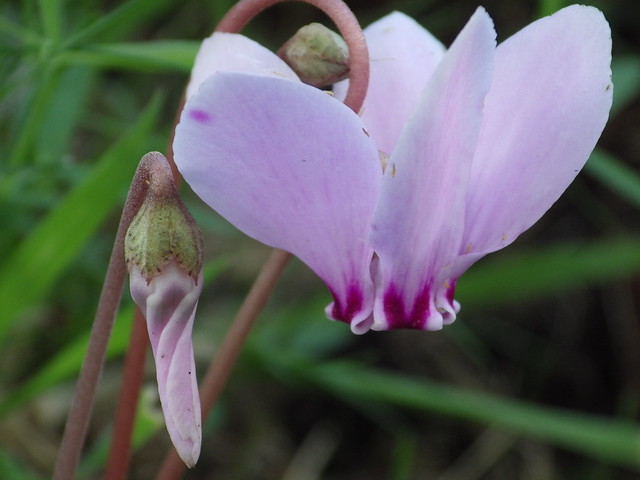
To identify wild cyclamen, look for their distinctive flowers, which are typically pink or white with a distinctive shape. The plant’s leaves are usually heart-shaped and have a velvety texture, making them easy to distinguish from other plants. Be sure to handle the plant carefully, as its bulbs can be easily damaged, especially if you plan to propagate or cultivate it.
Conservation Status
Wild cyclamen is considered a protected species in many countries. In Italy, it is listed on the “Red Book” of endangered species, which highlights areas with high levels of conservation concern. As such, collecting or damaging wild cyclamen plants is strictly prohibited, and gardeners should prioritize sustainable cultivation methods that respect the plant’s natural habitat.
Photos and Observations
[Image: A photograph of a wild cyclamen taken by Anna De Simone]
Interesting Facts
- Wild cyclamen are geophyte bulbs, meaning they grow from underground stems (bulbs) that produce new shoots each spring.
- They have a unique ability to survive frost temperatures as low as -2°C (28°F), making them well-suited for shaded areas with moderate climates.
- Some varieties of wild cyclamen can be grown indoors, making them popular choice for houseplants and terrariums.
Cultivation and Care
To cultivate wild cyclamen, choose a shaded area with moist soil. Plant the bulbs in autumn or early winter, about 1-2 inches deep. Water sparingly during the growing season, but avoid overwatering, which can lead to root rot. Fertilize lightly in spring, using a balanced fertilizer that won’t burn the plant’s delicate roots.
Tips for Propagation
- Divide the bulb carefully in spring, making sure each section has at least one growing eye.
- Plant the divisions immediately after division, and water thoroughly.
- Transplant the seedlings to larger pots or directly into the garden when they reach 3-4 inches tall.
Common Problems and Solutions
- Leaf damage: Slugs and snails can cause significant damage to wild cyclamen leaves. Use copper tape around the plant’s base or sprinkle crushed eggshells around the area to deter these pests.
- Root rot: Overwatering is a common cause of root rot in wild cyclamen. Check the soil regularly, and reduce watering if the soil feels wet.
Conclusion
The wild cyclamen is a beautiful and low-maintenance flower that thrives in shaded areas with moist soil. By understanding its unique characteristics and habitat requirements, gardeners can cultivate this species successfully and appreciate its natural beauty. Whether you’re a seasoned gardener or an enthusiastic nature enthusiast, the wild cyclamen offers a fascinating glimpse into the world of geophyte plants and their remarkable adaptations.
FAQs
- What is the difference between vaso-cultivated cyclamens and wild cyclamen?
Vaso-cultivated cyclamens are bred for their showy flowers and larger size, while wild cyclamen have smaller flowers and grow more naturally in shaded areas. - Can I grow wild cyclamen indoors?
Yes, some varieties of wild cyclamen can be grown indoors, but they require specific conditions, such as low light and moderate temperatures. - How do I care for my wild cyclamen plant?
Water sparingly during the growing season, but avoid overwatering. Fertilize lightly in spring, and provide good air circulation to prevent disease. - Can I collect wild cyclamen bulbs from nature?
No, collecting or damaging wild cyclamen plants is strictly prohibited due to their protected status. - What are some common pests that affect wild cyclamen?
Wild cyclamen can be susceptible to pests like slugs and snails, which can damage the leaves and flowers.
By following these guidelines and understanding the unique characteristics of wild cyclamen, gardeners and nature enthusiasts can enjoy this beautiful flower in their shaded areas. Whether you’re cultivating it in your garden or observing it in its natural habitat, the wild cyclamen is sure to captivate and inspire you.


