
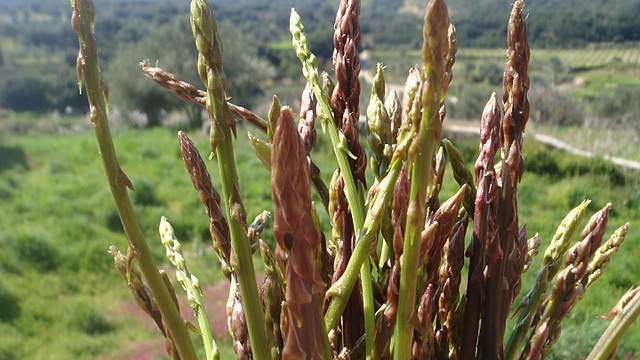
As wild asparagus, with its distinctively bitter taste, differs from the cultivated variety commonly found in supermarkets, it’s no wonder that many gardeners and food enthusiasts are eager to learn more about this unique ingredient. In this article, we’ll delve into the world of wild asparagus, covering topics such as optimal harvesting seasons, cultivation methods, and delicious recipes that showcase its unique flavor.
Harvesting Wild Asparagus: A Rare Delight
Wild asparagus can be notoriously difficult to find in stores, whether fresh or in seed form. The challenge lies in locating these plants in their natural habitat. If you’re determined to cultivate wild asparagus, you’ll need to obtain seeds from specialized retailers or plant materials.
Where to Find Wild Asparagus Seeds
Wild asparagus seeds can only be found through reputable suppliers. These sellers typically offer seeds, seedlings with roots, or even potted plants. Before visiting a supplier in person, it’s recommended to call ahead and confirm availability. You can also try searching online for retailers that specialize in wild asparagus.
Online Resources
One option for obtaining wild asparagus seeds is through online marketplaces like Amazon. Many sellers offer 20- or 40-piece seed packets, making it easier to get started with cultivation. To check current availability on Amazon, visit the official website and search for “wild asparagus seeds.” Additionally, you can also find online forums and communities dedicated to wild asparagus cultivation and cooking, where you can connect with other enthusiasts and learn from their experiences.
Cultivating Wild Asparagus: A Labor of Love
Cultivating wild asparagus requires patience, as the process can take several years. The first year involves sowing seeds and waiting for the plants to mature. After planting, it’s essential to let them grow undisturbed for at least three to four years before harvesting. During this time, you’ll need to ensure that your soil is well-drained and rich in nutrients, as wild asparagus prefers a slightly acidic pH between 6.0 and 7.0.
Wild Asparagus Cultivation Tips
- Plant seeds about 1/4 inch deep and 2-3 inches apart.
- Water regularly, but avoid overwatering, which can lead to root rot.
- Mulch around the plants to retain moisture and suppress weeds.
- Avoid fertilizing too heavily, as this can promote weak growth.
Wild Asparagus Recipes: Exploring Flavors and Techniques
The unique flavor of wild asparagus lends itself well to various recipes. Some popular dishes include pan-seared spears with garlic and eggs, or a hearty risotto infused with roasted asparagus. Experimenting with different seasonings and ingredients can lead to exciting culinary discoveries.
Tips for Cooking Wild Asparagus
- Blanch the spears in boiling water before cooking to preserve their color and texture.
- Roast the spears in the oven with olive oil, salt, and pepper for a crispy exterior and tender interior.
- Add wild asparagus to pasta dishes, such as carbonara or cacio e pepe, for an added burst of flavor.
Wild Asparagus Cooking Methods
- Grilling: Brush the spears with olive oil and grill over medium heat until slightly charred.
- Roasting: Toss the spears with olive oil, salt, and pepper, and roast in the oven at 425°F (220°C) for 12-15 minutes.
- Sautéing: Cook the spears in a skillet with butter or oil until tender, then season with salt and pepper.
Conclusion
Wild asparagus is a rare delicacy that requires patience and dedication to cultivate. By understanding the optimal harvesting season, learning how to grow these plants from seed, and experimenting with various recipes, you can unlock the full potential of this unique ingredient. Whether you’re a seasoned chef or an adventurous foodie, wild asparagus offers endless possibilities for culinary exploration.
Frequently Asked Questions
- What is the best time to harvest wild asparagus?
The ideal time to pick wild asparagus is in late spring, typically during April. Make sure to check local regulations and respect private property rights when foraging. - How do I obtain wild asparagus seeds?
Wild asparagus seeds can be found through specialized retailers or online marketplaces like Amazon. Ensure you purchase from reputable suppliers to guarantee quality. - What is the best way to prepare wild asparagus for cooking?
Wild asparagus can be cooked in various ways, including grilling, roasting, or pan-frying. Experiment with different seasonings and ingredients to bring out its natural sweetness. - How long does it take to cultivate wild asparagus from seed?
The first year involves sowing seeds and waiting for the plants to mature. After planting, let them grow undisturbed for at least three to four years before harvesting. - Can I eat all parts of the plant?
Only the spears are edible; avoid eating the white base of the plant, which is said to be an indicator of future growth. - Where can I find wild asparagus in the wild?
Wild asparagus grows spontaneously throughout Italy. Look for areas with well-drained soil and partial shade, such as woodland edges or meadows. - What are some popular recipes featuring wild asparagus?
Some popular dishes include pan-seared spears with garlic and eggs, risotto infused with roasted asparagus, and hearty frittatas with wild asparagus and cheese. - Is it safe to forage for wild asparagus in the wild?
When foraging for wild asparagus, respect local regulations and private property rights. Ensure you identify the plant correctly before consuming it, as some lookalike species can be toxic.
Additional Resources
For those interested in learning more about wild asparagus cultivation and cooking, we recommend checking out the following resources:
- Wild Asparagus Cultivation Guide: A comprehensive guide to growing wild asparagus from seed, including tips on soil preparation, watering, and pest management.
- Wild Asparagus Recipes: A collection of recipes featuring wild asparagus, from simple side dishes to hearty main courses.
- Wild Asparagus Foraging Guide: A guide to identifying and harvesting wild asparagus in the wild, including tips on safety and sustainability.
By following these guidelines and resources, you’ll be well on your way to cultivating and cooking delicious wild asparagus. Happy foraging!


