
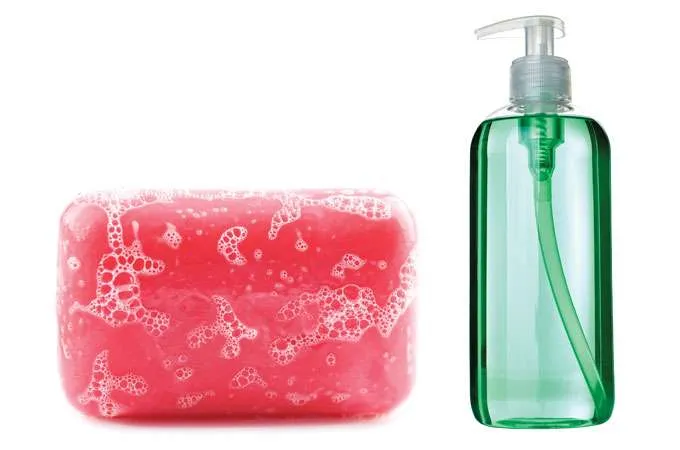
As we navigate the complexities of modern life, it’s easy to overlook the small changes that can have a significant impact on our daily habits and the environment. One such change is switching from liquid soap to solid soap. This retro-style trend may seem like a novelty, but it’s a conscious choice that can have far-reaching benefits for both our skin and the planet.
In this article, we’ll delve into the world of solid soap, exploring its history, environmental impact, practicality, and the science behind making saponettes. We’ll also debunk common misconceptions and provide tips on how to make the switch. Whether you’re a seasoned DIY enthusiast or just looking to simplify your cleaning routine, joining the saponette revolution is easier than ever.
Why Go Solid? The Environmental Impact of Liquid Soap
Liquid soap has been a staple in many households for decades, but its production comes with a significant environmental cost. From packaging waste to transportation emissions, every aspect of liquid soap manufacturing contributes to pollution and waste. In contrast, solid soap requires minimal packaging and can be made using natural ingredients that are gentle on the skin.
One of the most significant advantages of solid soap is its reduced water usage. Liquid soap requires an enormous amount of water for production, which not only wastes resources but also contributes to droughts in areas where water is scarce. By switching to solid soap, you’ll be reducing your carbon footprint and supporting a more sustainable future.
A Brief History of Liquid Soap
Liquid soap has been around since the 1950s, when it became widely available for the first time. Prior to this, most people used saponettes or other forms of solid soap. So, why did we switch back to liquid soap? The answer lies in our love for convenience and the marketing prowess of major cleaning companies.
The introduction of liquid soap was a game-changer in many households, as it offered a more convenient and hygienic alternative to traditional solid soaps. However, this shift towards liquid soap also marked the beginning of a long-standing environmental debate. As consumers, we must acknowledge our role in perpetuating waste and pollution through our daily choices.
Practicality Matters: Why Solid Soap Wins
While solid soap may not be as convenient as liquid soap in certain situations, it has its perks. Travelers, for instance, can easily toss solid soap into their bags without worrying about spills or leaks. And when you’re on-the-go, a compact solid soap is often more practical than a bulky liquid one.
Another advantage of solid soap is its reduced mess. Liquid soap can be messy and requires careful pouring to avoid spills. Solid soap, on the other hand, is easy to handle and clean up after use. This makes it an excellent choice for busy households or families with young children.
Debunking Faux Facts: Separating Myth from Reality
Some claim that solid soap is less effective at removing dirt and grime than liquid soap. However, this myth has been largely debunked by experts in the field of soap making. Both liquid and solid soaps can be just as effective – it’s all about using the right ingredients and techniques.
Another common misconception is that solid soap is harsh on the skin. While some commercial liquid soaps contain artificial fragrances and chemicals, many solid soaps are made with gentle, natural ingredients that nourish and moisturize the skin.
The Cost-Effective Solution: Making Your Own Saponettes
Not only is solid soap better for the environment, but it’s also a cost-effective solution. By making your own saponettes at home, you can avoid wasting money on disposable liquid soap packaging. And, with a little creativity, you can create custom soap recipes tailored to your skin type and preferences.
Making your own saponettes is easier than you think! With simple ingredients like olive oil and jojoba oil, you can create high-quality soaps that are gentle on the skin and the environment. We’ll provide you with some tips and tricks for making saponettes in the next section.
The Science Behind Making Saponettes
So, how do you make saponettes from scratch? It’s easier than you think! The process involves mixing together solid soap (like Marsiglia), water, and natural colorants. Once the mixture is combined, it’s poured into a mold and allowed to harden.
Here are some key tips for making saponettes:
- Use high-quality ingredients: Choose gentle, natural ingredients like olive oil and jojoba oil that will nourish your skin.
- Mix with care: Combine ingredients slowly and carefully to ensure the mixture is smooth and even.
- Pour into a mold: Pour the soap mixture into a mold and let it harden for at least 30 minutes.
The INCI Factor: What to Look for in Your Soap Ingredients
When shopping for commercial soap, always check the ingredients list (INCI) for potential allergens or irritants. For homemade soap, it’s essential to choose high-quality ingredients that are gentle on the skin.
Here are some key ingredients to look for:
- Olive oil: Rich in antioxidants and fatty acids, olive oil is a great moisturizer for dry skin.
- Jojoba oil: This lightweight oil is rich in vitamins and minerals that nourish and hydrate the skin.
- Essential oils: Natural essential oils like lavender and chamomile can be used to create calming and soothing soaps.
A Month-And-A-Half Wait: The Magic of Soap Making
Once you’ve mixed your soap ingredients, you’ll need to wait patiently for a month and a half for the saponette to harden. But trust us, it’s worth the wait! Not only will you have a beautiful, handmade soap that’s perfect for everyday use, but you’ll also be contributing to a more sustainable future.
As you wait for your saponette to harden, take some time to explore the world of soap making. You can learn about different ingredients, techniques, and recipes online or in books. With a little patience and creativity, you can create high-quality soaps that are tailored to your skin type and preferences.
Conclusion: Join the Saponette Revolution
So, why not give solid soap a try? Not only is it better for the environment, but it can also save you money and provide a sense of satisfaction from making something with your own hands. Whether you’re a seasoned DIY enthusiast or just looking to simplify your cleaning routine, joining the saponette revolution is easier than ever.
Frequently Asked Questions
- Is solid soap more effective than liquid soap?
Solid soap can be just as effective as liquid soap, depending on the ingredients and techniques used. - Can I use any type of soap to make saponettes?
No, not all soaps are created equal. Choose high-quality, gentle ingredients like olive oil and jojoba oil for best results. - How long does it take to make saponettes?
It takes about a month and a half for the saponette to harden after mixing. - Is making your own soap time-consuming?
Not necessarily! With a simple recipe, you can create high-quality saponettes in no time. - Can I customize my soap recipe?
Absolutely! Experiment with different ingredients and essential oils to create unique soap recipes tailored to your skin type and preferences. - Is making saponettes eco-friendly?
Yes, by using natural ingredients and reducing packaging waste, you can make a positive impact on the environment. - Can I use solid soap for sensitive skin?
Some people may experience irritation from certain ingredients in solid soap. Always patch test before using a new soap recipe. - Is making saponettes expensive?
Not necessarily! With simple recipes and low-cost ingredients, you can create high-quality saponettes without breaking the bank.
By joining the saponette revolution, you’ll be taking a small step towards creating a more sustainable future. Start by switching to solid soap and exploring the world of homemade soap making. You might just find that this simple change has a lasting impact on your skin and the planet.


