
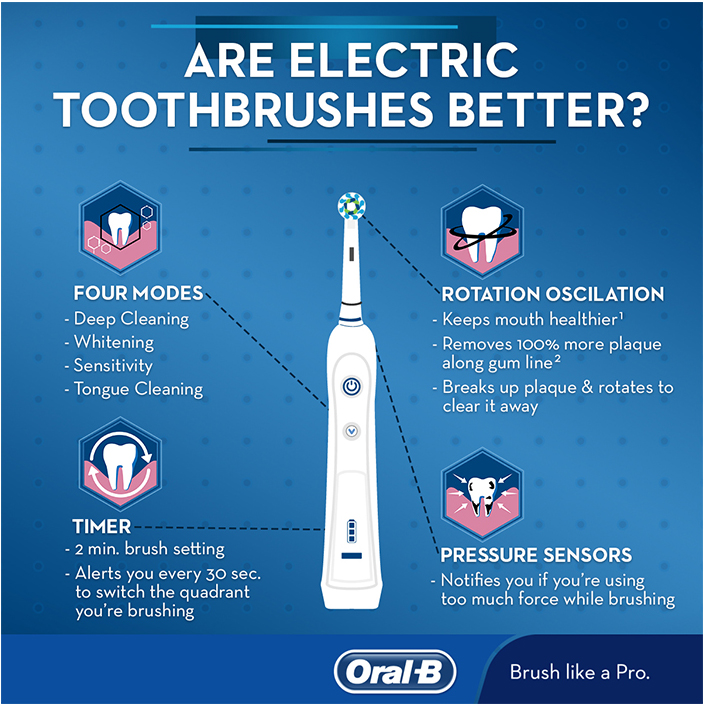
When it comes to oral care, many of us have heard of electric brushes and wonder if they’re worth the investment. Is an electric brush better than a traditional one, or are they just a fad? In this article, we’ll delve into the world of electric brushes, exploring their features, benefits, and what makes them tick.
What is an Electric Brush?
An electric brush, also known as an electronic toothbrush, is an advanced cleaning tool that uses gentle vibrations to remove plaque, food particles, and other debris from your teeth. With its compact design and ease of use, it’s no wonder why many dentists recommend using an electric brush.
History of Electric Brushes
The first electric toothbrush was invented in the 1960s by a dentist named Dr. Percy Freeman. However, it wasn’t until the 1990s that electronic toothbrushes became widely available and gained popularity.
How Does an Electric Brush Work?
So, how does an electric brush actually work? The device consists of a body and a head, which is the part that comes into contact with your teeth. When you turn it on, the head begins to oscillate and rotate, creating a gentle yet effective cleaning motion. This motion helps loosen and remove food particles and plaque from between your teeth and below the gumline.
Benefits of Using an Electric Brush
So, why should you consider using an electric brush? Here are just a few benefits:
- More Effective Cleaning: Electric brushes use advanced technology to reach areas that traditional toothbrushes can’t, making them more effective at removing plaque and bacteria.
- Improved Gum Health: Regular use of an electric brush can help reduce inflammation and improve gum health by gently massaging the gums and removing harmful bacteria.
- Easy to Use: Electric brushes are often designed with ergonomic handles and comfortable grips, making them easy to maneuver and use for people of all ages.
Choosing the Right Electric Brush
With so many options available on the market, choosing the right electric brush can be overwhelming. Here are some tips to help you make an informed decision:
- Look for a Brush with Multiple Modes: Many modern electric brushes come with multiple speed settings and modes, such as whitening or sensitive teeth.
- Check the Battery Life: If you’re planning to use your electric brush on-the-go, look for one with long battery life or consider a model that’s rechargeable via USB.
- Read Reviews: Check out reviews from other users to get a sense of how well an electric brush performs and whether it’s worth the investment.
Popular Electric Brush Options
Some popular electric brush options include:
- Oral-B Genius Pro 8000: This high-end brush features advanced technology, including Bluetooth connectivity and personalized cleaning modes.
- Philips Sonicare ProtectiveClean 4100: This affordable option is designed for people with sensitive teeth or gums, featuring gentle vibrations and a compact design.
- Waterpik Sensonic Professional: This electric brush combines the power of water flossing with advanced sonic technology for a deeper clean.
What to Expect from an Electric Brush
Here are some things you can expect from using an electric brush:
- Improved Oral Health: Regular use of an electric brush can help prevent oral health issues such as tooth decay, gum disease, and bad breath.
- Increased Confidence: With its easy-to-use design and effective cleaning motion, using an electric brush can boost your confidence in your oral care routine.
- Long-Term Savings: While the initial cost of an electric brush may be higher than a traditional toothbrush, it can lead to long-term savings by reducing the need for dental cleanings and other treatments.
Common Issues with Electric Brushes
While electric brushes are generally safe and effective, there are some common issues that users may experience:
- Discomfort: Some people may find the vibrations or pressure of an electric brush uncomfortable, especially if they have sensitive teeth or gums.
- Over-Use: Using an electric brush too frequently can lead to over-use, which can damage your gums and tooth enamel.
- Battery Life: If you’re using a battery-powered electric brush, be sure to charge it regularly and replace the batteries as needed.
Tips for Getting the Most Out of Your Electric Brush
Here are some tips for getting the most out of your electric brush:
- Use it Regularly: To get the best results from your electric brush, use it regularly, ideally twice a day.
- Replace the Head Frequently: Be sure to replace your electric brush head frequently to maintain its effectiveness and prevent bacterial buildup.
- Store It Properly: Store your electric brush in a dry place when not in use to prevent damage or corrosion.
The Future of Electric Brushes
As technology continues to evolve, we can expect to see new features and innovations in electric brushes. Some potential advancements include:
- Advanced Sensors: Electric brushes may soon be equipped with advanced sensors that detect plaque, bacteria, and other oral health issues.
- Customizable Cleaning Modes: Electric brushes may offer customizable cleaning modes based on your individual oral health needs.
- Wireless Charging: Electric brushes may soon be able to wirelessly charge, making them even more convenient and portable.
Conclusion
Whether you’re looking to upgrade your oral care routine or simply want to learn more about electric brushes, we hope this article has provided valuable insights and information. With their advanced technology and gentle cleaning motions, electric brushes are definitely worth considering. So why not give one a try? Your smile will thank you!
Frequently Asked Questions
- Are Electric Brushes Better for Kids?
Electric brushes can be beneficial for kids, especially those with sensitive teeth or gums. However, it’s essential to choose a model specifically designed for children and to supervise their use. - Can I Use an Electric Brush on My Dentures?
Yes, many electric brushes are designed for denture cleaning and come with specialized heads and attachments. -
How Often Should I Replace My Electric Brush Head?
It’s recommended to replace your electric brush head every 3-6 months or as indicated by the manufacturer’s instructions. -
What is the difference between a manual toothbrush and an electric toothbrush?
An electric toothbrush uses gentle vibrations to remove plaque and bacteria, while a manual toothbrush relies on brushing motions to clean teeth. -
Are Electric Brushes More Expensive Than Manual Toothbrushes?
While some high-end electric brushes can be pricey, many affordable options are available that offer similar features at a lower cost. -
Can I Use an Electric Brush for Whitening My Teeth?
Some electric brushes come with whitening modes or attachments, but it’s essential to follow the manufacturer’s instructions and consult your dentist before using any teeth-whitening products. -
How Do I Clean My Electric Toothbrush Head?
Most electric brush heads are dishwasher safe, but be sure to check the manufacturer’s instructions for specific cleaning recommendations. -
Can Electric Brushes Cause Gum Recession?
If not used correctly or with excessive force, an electric brush can potentially cause gum recession. Be gentle when using your electric toothbrush and follow proper cleaning techniques.


