
Recycling paper is crucial for several reasons that can be summarized into two fundamental concepts:
- The more paper we recycle, the fewer trees will be cut down.
- With recycling, we consume fewer resources both economically and energetically.
Why Should We Recycle Paper?
There are numerous benefits to recycling paper. By choosing this method, we reduce our environmental impact while promoting sustainable practices in our daily lives.
Some key reasons for recycling paper include:
- Conservation of Trees: Cutting down trees is a critical issue that affects the environment and wildlife habitats. Recycling paper helps maintain healthy ecosystems by preventing deforestation.
- Water and Energy Conservation: The production of new paper requires significant amounts of water (440,000 liters) and energy (7,600 kW of electricity). By recycling paper, we reduce these resource-intensive processes.
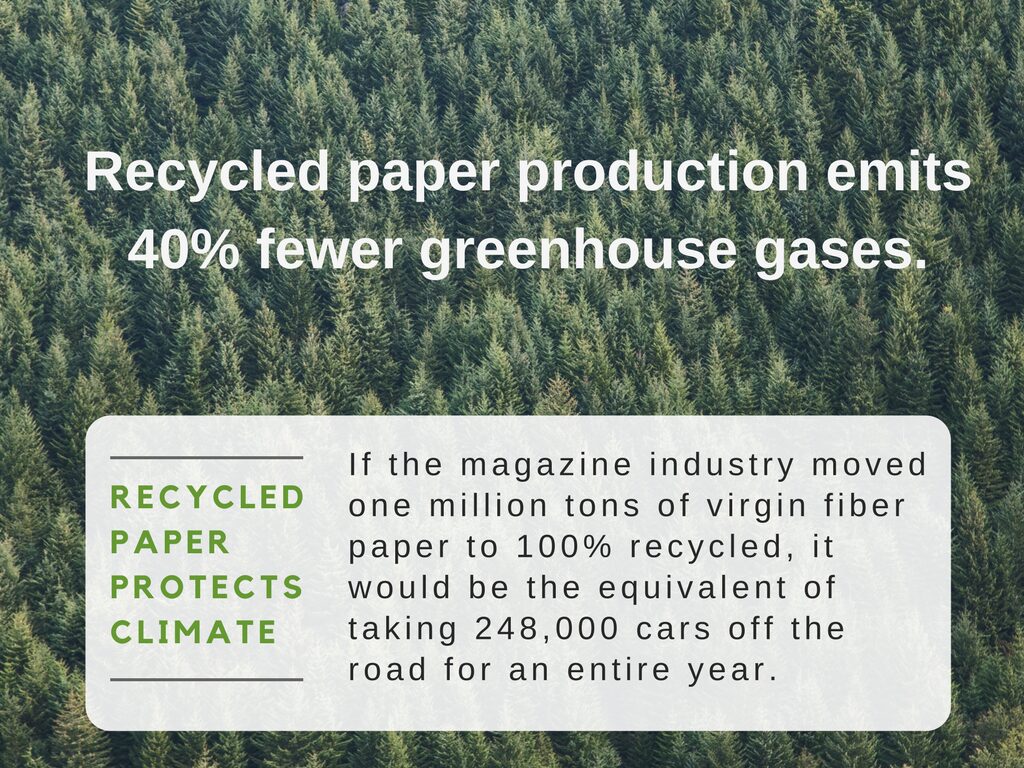
- Reduction of Greenhouse Gas Emissions: Paper production contributes to greenhouse gas emissions, which contribute to climate change. Recycling paper helps lower CO2 emissions in the atmosphere.
The Environmental Impact of Paper Production
Paper is biodegradable, and its disposal does not harm the environment… yet. So, why is it essential to recycle paper?
To produce one ton of paper from cellulose pulp, 15 years’ worth of trees are cut down, and during the process of transforming cellulose into paper, an enormous amount of water (440,000 liters) is consumed, along with a significant amount of energy (7,600 kW of electricity). By recycling paper, we drastically reduce both environmental and economic costs.
When it comes to recycling paper, two things happen:
- Reduced Deforestation: Recycling paper avoids extracting new cellulose, which reduces the need for deforestation.
- Lower Energy Consumption: The process of recycling reduces energy consumption by about two-thirds and water usage from 440,000 liters to just 1,800 liters per ton of paper produced.
By recycling paper, we are able to cut carbon dioxide emissions in the atmosphere by half compared to producing new paper from wood fibers.
The Benefits of Recycling Paper for Material Production
Another compelling reason to recycle paper involves its role in producing new materials. Through recycling paper, carton, cardboard, and other packaging materials can be reused as raw materials. This process enables the creation of innovative products like:
- Cardafruit: A recycled paper product known for its strength, used in office supplies, publications, and packing material.
- Cartalatte: Cartons made from milk cartons are transformed into strong paper-like material for manufacturing publications, packaging materials, and other industrial goods.
- Ecoallene: A unique material derived from recycled plastic and aluminum in cardboard products. It’s used extensively in construction, promotional items, and office supplies due to its resemblance to plastic.
Paper Waste: A Significant Problem in Italy
In Italy, paper and cardboard represent about 30% of the total waste produced. By recycling these materials, we can create valuable resources that would otherwise be lost.
Recycling just one tonne of cellulose material saves approximately three trees up to 20 meters tall, which is a substantial reduction in environmental impact and resource conservation.
The transformation of paper waste into valuable products not only contributes to a more sustainable future but also reduces the number of trees cut down for new paper production.
How Can We Make Recycling Paper More Accessible?
To encourage widespread recycling practices, governments, communities, and individuals can collaborate on implementing effective waste management systems. Here are some suggestions:
- Increase Public Awareness: Organize campaigns to educate people about the importance of recycling paper and other materials.
- Improve Infrastructure: Develop convenient recycling centers with accessible locations and adequate storage facilities.
- Incentivize Recycling: Offer discounts, rewards, or tax benefits for individuals who participate in recycling programs.
By working together, we can make a significant impact on the environment while promoting sustainable practices that benefit our communities.


