
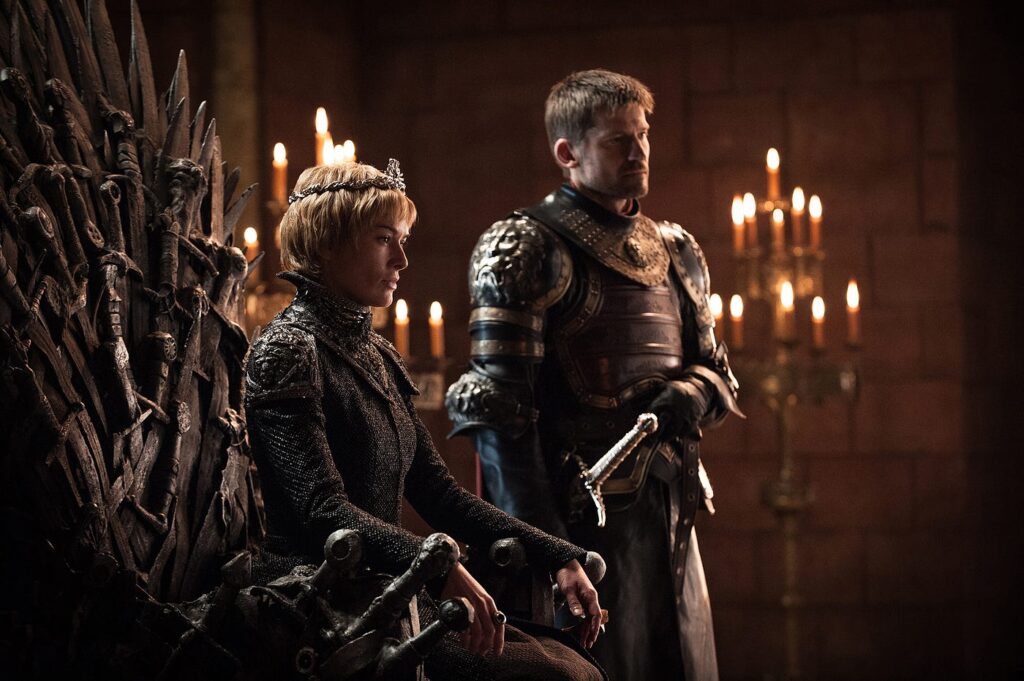
In the realm of modern television, few series have ignited conversations—and sometimes fierce debates—quite like HBO’s “Game of Thrones.” This fantasy epic, based on George R. R. Martin’s “A Song of Ice and Fire” series, captured the imaginations of millions and redefined the landscapes of television storytelling. But what was it about “Game of Thrones” that resonated so deeply with audiences across the globe? In this article, we delve into the multifaceted elements of storytelling that not only drew viewers in but also kept them engaged through the show’s intricate plot twists, morally gray characters, and expansive world-building.
The Allure of Complex Characters
One of the most significant reasons “Game of Thrones” captivated audiences was its character development. The series introduced a vast array of characters, each with their own motivations, desires, and flaws. From the noble Ned Stark to the manipulative Cersei Lannister, each character felt real and relatable, which is a rarity in fantasy narratives.
The Gray Morality Spectrum
Unlike traditional heroes and villains, “Game of Thrones” painted its characters in shades of gray. No character was entirely good or evil. For instance, Jaime Lannister, initially perceived as the quintessential villain, undergoes a transformation that reveals layers of vulnerability and honor. In contrast, characters like Daenerys Targaryen, who started as a sympathetic figure, ultimately show a darker side as the series progresses.
This complexity allowed viewers to engage more deeply with the narrative. Fans often found themselves sympathizing with characters who would otherwise be considered antagonists, leading to a nuanced discussion around morality. This opens up a broader conversation regarding human nature and the choices we make under pressure.
The Tragic Arc and Emotional Investment
The complexity of each character’s journey invites viewers to become emotionally invested. Tragic arcs abound in “Game of Thrones,” and characters like Ned Stark serve as a prime example. His unyielding sense of honor ultimately leads to his downfall, shocking viewers and setting the stage for the series’ unexpected ruthlessness.
As events unfolded, audiences quickly learned that no character was safe; shocking deaths became a hallmark of the series. Each loss had repercussions that rippled through the narrative, leading viewers to form connections with characters and mourn their losses, enhancing emotional investment in the plot.
Interwoven Storylines and Narrative Depth
Another compelling aspect of “Game of Thrones” is its masterful interweaving of multiple story arcs. Rather than focusing on a singular narrative thread, the show boldly tackled various interconnected plots spanning different regions, cultures, and factions.
The Politics of Westeros
The cunning political maneuvers that characterize life in Westeros merit special attention. Power struggles were rampant among the houses—Stark, Lannister, Targaryen, and Baratheon, to name a few. The series brilliantly portrayed the consequences of ambition, betrayal, and alliances. As factions clashed and shifted, viewers were drawn into a complex web of intrigue that kept them guessing on which side each character would land.
By weaving together these diverse threads, “Game of Thrones” became a narrative tapestry that mirrored real-life political dynamics. The depth of each storyline allowed for critical themes—loyalty, honor, betrayal, and survival—to surface organically, making the conflicts resonate on a personal level.
Evolving Themes and Plot Twists
The intricacy of the plot enabled the series to evolve thematically as the story unfolded. Themes of power, sacrifice, and identity were interspersed throughout, often hidden within subplots that gradually gained prominence. For example, Arya Stark’s journey from a young girl to a formidable assassin acts as a lens through which the theme of revenge is explored, culminating in her infamous final act.
Moreover, the series masterfully employed plot twists—often shocking and unexpected—to maintain suspense. Who could forget the infamous “Red Wedding,” which not only showcased the brutality of the political game but left viewers reeling for days? These shocking turns fostered a sense of unpredictability, ensuring that audiences remained glued to their screens, eagerly awaiting what would happen next.
[amazon box=”B08XLLF3PG”]
The World-Building Genius
At the heart of “Game of Thrones” lies an intricately crafted world filled with its own history, geography, and cultures. Author George R. R. Martin’s meticulous world-building laid the foundation for a rich narrative, filled with depth and detail.
Ancient Histories and Legends
The lore of Westeros is vast, with its ancient histories and legendary figures adding layers to the plot. Tales of the Night King, the First Men, and the Children of the Forest enhance the depth of the narrative, inviting viewers to engage not just with the current plot but also the long-standing histories that inform the actions of the characters.
This sense of history imbues the show with a grounding realism rare in fantasy series, allowing it to transcend mere escapism. Fans often find joy in exploring lore and backstory, even creating their own theories based on the established mythos.
Culturally Diverse Realms
What’s more, the geographical diversity of Westeros and Essos serves to reflect its complex societal structures. From the stoic North to the opulent South, and the exotic lands of the East, viewers get to experience a myriad of cultures and traditions. The show’s portrayal of different regions not only adds richness but also drives home the themes of conflict arising from differing ideologies and backgrounds.
Visual Storytelling and Cinematic Quality
Lastly, the production quality of “Game of Thrones” should not be overlooked. With lush cinematography, stunning visual effects, and elaborate set designs, the series created a visceral experience that activated viewers’ imaginations. The grandeur of the landscapes, from the icy terrains beyond the Wall to the sun-soaked deserts of Dorne, solidified the fantasy world as a relatable yet otherworldly place.
The attention to detail in costume design and props also contributed to immersing viewers in the time and culture of the series, highlighting the intricacies of each house’s lineage, honor, and standing.
Cultural Impact and Fandom Phenomenon
The success of “Game of Thrones” didn’t merely remain confined to television screens. The series cultivated a global phenomenon that transcended boundaries.
Fandom and Theories
With millions of viewers tuning in, fans found themselves bonded over shared experiences. Online forums, fan theories, and fan fiction flourished as audiences dissected every episode, eagerly sharing their predictions for the next twist or turn.
The various narratively rich elements—character arcs, plotlines, and ambiguous endings—provided fertile ground for speculation and theory crafting. Each episode’s cliffhanger led to a week’s worth of debates, fueling excitement and anticipation for the following installment.
The Renaissance of Fantasy Genre on Television
In many ways, “Game of Thrones” heralded a new era in television, paving the way for other epic fantasy series. Its success encouraged networks to invest in high-budget productions, resulting in an influx of fantasy narratives that prioritize complex storytelling and character depth.
Series like “The Witcher” and “His Dark Materials” owe a debt to the path that “Game of Thrones” has blazed, appealing to audiences hungry for well-crafted narratives set in fantastical realms.
Conclusion: A Lasting Legacy
“Game of Thrones” stands as a testament to the power of storytelling in television. Its complex characters, nuanced relationships, interwoven narratives, and masterful world-building drew viewers into a rich tapestry of intrigue and emotion. Indeed, the show’s ability to challenge conventional storytelling, provoke thought, and inspire debate sets it apart from mere entertainment; rather, it serves as a catalyst for discussions about morality, loyalty, power, and the human experience.
As the series enters its legacy, it continues to thrive in the hearts of fans, leaving an indelible mark on the cultural landscape. Its lessons in human nature, complex plotting, and commitment to storytelling will echo in the realms of fantasy and beyond for generations to come.
Whether you are a die-hard fan contemplating the complexities of a favorite character or a casual viewer reflecting on the series’ impact, one thing is clear: “Game of Thrones” has captivated the world, forever changing the landscape of television storytelling.


