
Understanding Why Your Solar Panel System Produces Less Energy
As a homeowner with a solar panel system installed on your property, you expect it to produce clean and renewable energy for years to come. However, sometimes your solar panel system may not be producing as much energy as it should, leaving you wondering why. In this article, we will explore the most common causes of reduced performance in a solar panel system, so you can identify and address the issue.
Understanding Maintenance and Monitoring
When installing a solar panel system, manufacturers often provide plans for maintenance and monitoring to ensure optimal performance. While these plans are essential for long-term operation, there are times when your system may need more immediate attention. If you haven’t received a scheduled maintenance check yet, we recommend taking the initiative to perform some basic checks yourself.
Cleaning Up: The Most Common Cause
One of the most common reasons for reduced energy production from solar panels is grime and dirt accumulation on the panel surface. This can include animal droppings, plant debris, and other contaminants that block sunlight from hitting the panels. Cleaning your solar panels regularly can help restore their performance.
A Comprehensive System Check: What to Look For
If you suspect a problem with your solar panel system or if it’s not producing enough energy, perform a thorough system check to identify potential issues. This should include:
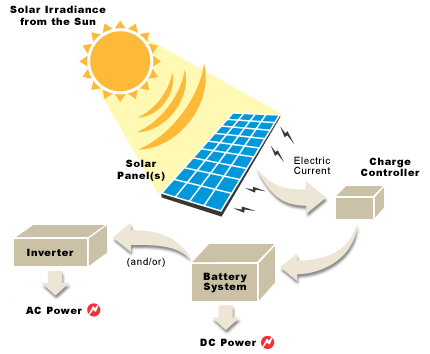
- Inspecting all components of the system, such as the field, supports, tracking systems, cabling and connectors, inverters, batteries (if applicable), and control centers
- Checking for any blockages or obstructions on the panel surface
- Verifying that the inverter is functioning properly
Common Causes of Reduced Performance
Here are some common causes of reduced performance in a solar panel system:
- Shading: Shading from trees, buildings, transmission lines, and other structures can reduce energy production by blocking sunlight.
- Dirty Panels: Dirt and grime accumulation on the panels can reduce energy production by blocking sunlight.
- Inverter Issues: Inverters are critical components of solar panel systems. If they fail or malfunction, it can significantly impact system performance.
- Mismatched Panels: Using mismatched panels can lead to reduced energy production and decreased system efficiency.
- High Line Voltages: High line voltages can damage equipment and reduce system performance.
- Diode Problems: Issues with diodes in the panel or other components can cause problems with system operation.
- Network Disturbances: Network disturbances, such as high-frequency fluctuations, can also impact system performance.
Additional Troubleshooting Steps
If you’ve identified a potential issue with your solar panel system, consider taking the following steps:
- Inspect all cables and connections for damage or wear
- Verify that the system is properly configured and calibrated
- Run diagnostics on the inverter to identify any faults or malfunctions
Conclusion
Solar panels are designed to produce energy from sunlight, but sometimes they may not be producing as much as expected. By understanding common causes of reduced performance and taking proactive steps to address potential issues, you can ensure your solar panel system operates at maximum efficiency.
Frequently Asked Questions About Solar Panel Systems:
- Why do my solar panels produce less energy than they should?
- Common causes include shading, dirty panels, inverter issues, mismatched panels, high line voltages, diode problems, and network disturbances.
- How often should I clean my solar panels?
- Clean your solar panels regularly to ensure optimal performance, ideally every 1-3 months depending on your location and environmental conditions.
- What should I do if my inverter is malfunctioning?
- Contact a qualified solar panel technician for assistance with diagnosing and repairing the issue.
- Can I DIY repairs or maintenance on my solar panels?
- Only perform routine cleaning and basic checks yourself. For more complex issues, it’s best to consult a professional solar panel technician.
- How can I ensure maximum efficiency from my solar panel system?
- Regularly monitor your system performance, maintain proper configuration and calibration, run diagnostics on the inverter, inspect all cables and connections for damage or wear.
Regular maintenance and monitoring are key to ensuring optimal performance from your solar panel system.


