
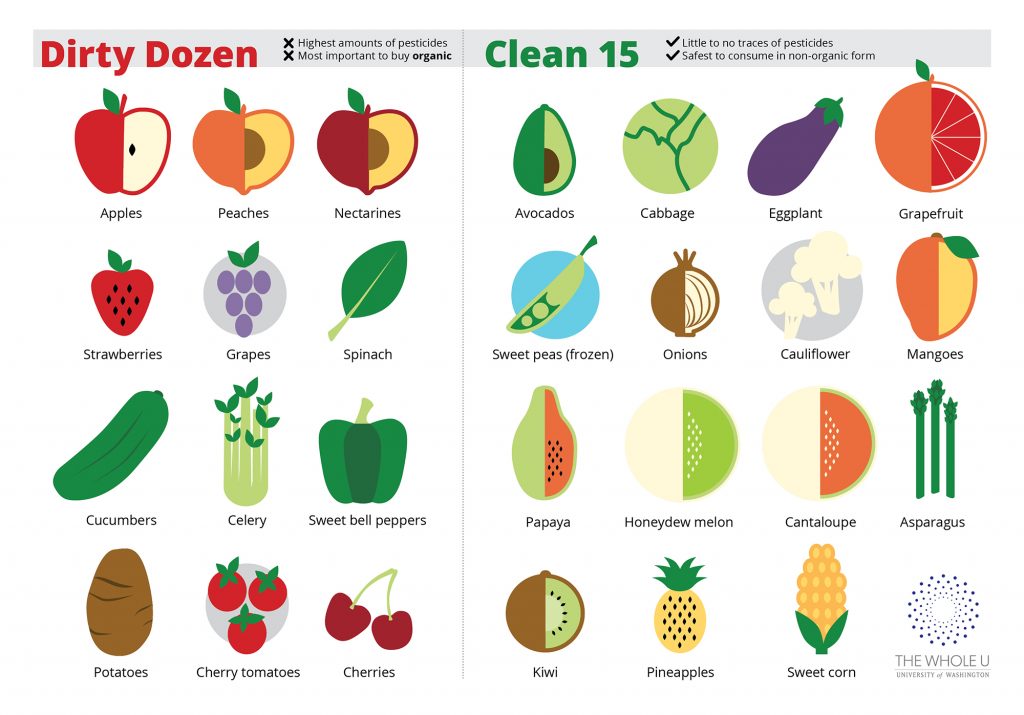
When it comes to healthy eating, we all know that fruits and vegetables are essential. But have you ever stopped to think about what’s really going into those juicy apples or crunchy carrots? It’s true that conventional farming methods can have a negative impact on our health and the environment.
That’s why choosing organic fruits and vegetables is so important. Not only do they taste better, but they’re also packed with more nutrients and antioxidants than their conventional counterparts. In this article, we’ll explore the benefits of choosing organic produce, from improved nutritional content to reduced environmental harm.
The Importance of Seasonal Eating
One of the biggest advantages of eating seasonal fruits and vegetables is that you get to enjoy them at their peak freshness and nutritional value. When you eat out-of-season produce, it’s often been picked weeks or even months earlier than it would have naturally ripened on the tree. This can result in a loss of nutrients, especially water-soluble vitamins like vitamin C.
For example, apples that are typically harvested in autumn may not have as much vitamin C as those picked in the summer. Similarly, carrots that are grown out of season may be more prone to spoilage and less nutritious than their fresh counterparts.
Why Choose Organic Produce?
So why choose organic produce over conventional? The answer lies in the farming methods used to grow these foods.
Conventional farming methods often rely on synthetic pesticides and fertilizers to control pests and promote growth. While these chemicals may help increase yields, they can also have devastating effects on our health and the environment.
Organic farming, on the other hand, uses natural methods to control pests and diseases. This means that organic produce is free from synthetic pesticides and fertilizers, which can’t be good for us or the planet.
But what exactly does this mean in terms of nutritional content? Studies have shown that organic produce tends to have higher levels of antioxidants and phytonutrients than conventional produce. These compounds are essential for our health, and can help protect against chronic diseases like heart disease and cancer.
The Environmental Impact
Conventional farming methods are not only bad for our health, but also for the environment. The overuse of synthetic pesticides and fertilizers has been linked to a range of environmental problems, including:
- Eutrophication: the excess nutrient-rich runoff from farms can lead to the growth of algae, which can suffocate aquatic life.
- Water pollution: pesticides and fertilizers can contaminate waterways, posing risks to human health and wildlife.
- Soil degradation: the use of synthetic fertilizers can alter soil chemistry, leading to reduced fertility and increased erosion.
By choosing organic produce, you’re supporting farming methods that are more sustainable and environmentally friendly. This means fewer chemicals, less pollution, and a healthier planet for future generations.
The Benefits of Organic Fruits and Vegetables
So what exactly do you get when you choose organic fruits and vegetables? Here are just a few benefits:
- Higher nutritional content: organic produce tends to have higher levels of antioxidants and phytonutrients than conventional produce.
- Reduced risk of chronic diseases: the increased antioxidant content in organic produce can help protect against chronic diseases like heart disease and cancer.
- Improved environmental sustainability: by choosing organic, you’re supporting farming methods that are more environmentally friendly.
Conclusion
Choosing organic fruits and vegetables is a simple way to make a big impact on our health and the environment. By opting for seasonal produce, supporting sustainable farming methods, and reducing our reliance on synthetic pesticides and fertilizers, we can create a healthier planet for all.
So next time you’re at the grocery store, take a closer look at those fruits and vegetables. Ask yourself: are they organic? Do they support sustainable farming practices? By choosing the good stuff, we can make a difference – one bite at a time!
Additional Benefits of Organic Fruits and Vegetables
In addition to improved nutritional content, reduced risk of chronic diseases, and environmental sustainability, there are several other benefits to choosing organic produce:
- Increased food safety: organic farming methods tend to be less susceptible to contamination, reducing the risk of foodborne illness.
- Support for local farmers: by choosing organic produce, you’re supporting small-scale, sustainable farming practices that can help preserve biodiversity and promote community development.
- Better taste and texture: many people find that organic produce tastes fresher, sweeter, and more nutritious than conventional options.
How to Incorporate More Organic Fruits and Vegetables into Your Diet
Incorporating more organic fruits and vegetables into your diet can be simple and easy. Here are a few tips:
- Shop at local farmers’ markets: many farmers’ markets now offer fresh, seasonal produce.
- Buy from reputable sources: look for certifications like USDA Organic or Non-GMO Project Verified to ensure that the products you’re purchasing are made with organic ingredients.
- Experiment with new recipes: try cooking up a storm using your favorite fruits and vegetables.
Conclusion
Choosing organic fruits and vegetables is an easy way to make a positive impact on our health, environment, and community. By opting for seasonal produce, supporting sustainable farming methods, and reducing our reliance on synthetic pesticides and fertilizers, we can create a healthier planet for all.
So next time you’re at the grocery store, take a closer look at those fruits and vegetables. Ask yourself: are they organic? Do they support sustainable farming practices? By choosing the good stuff, we can make a difference – one bite at a time!
FAQs
- Q: What’s the difference between organic and conventional produce?
A:** Organic produce is grown using natural methods that avoid synthetic pesticides and fertilizers. Conventional produce, on the other hand, may use these chemicals to control pests and promote growth. - Q: Is organic produce more expensive than conventional?
A:** Yes, organic produce tends to be pricier than conventional due to higher production costs and lower yields. - Q: How do I choose seasonal produce?
A:** Look for fruits and vegetables that are in season. You can check with your local farmers’ market or grocery store to see what’s available. - Q: Can I still get nutrients from non-organic produce?
A:** While non-organic produce may not have the same nutritional benefits as organic, it can still provide important vitamins and minerals. - Q: How do I reduce my reliance on synthetic pesticides and fertilizers?
A:** You can start by choosing organic produce, supporting local farmers who use sustainable practices, and reducing your overall chemical usage in the home.


