
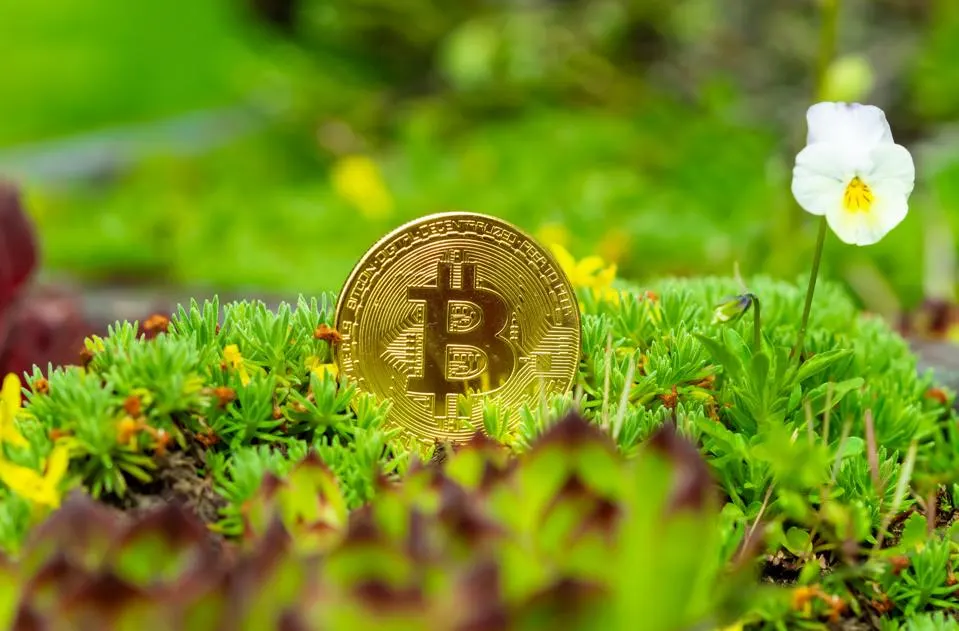
As we navigate the complexities of the digital age, it’s essential to consider the environmental impact of our technological advancements. One area that has gained significant attention in recent years is the relationship between cryptocurrencies and sustainability. In this article, we’ll delve into the world of Bitcoin and explore why it can be considered a “green” technology.
What is Bitcoin?
Bitcoin is a digital representation of value based on mathematics and cryptography. It’s often referred to as a cryptocurrency, but it’s essential to note that Bitcoin is not a traditional currency. Instead, it’s a decentralized digital asset that uses a peer-to-peer network to facilitate transactions without the need for intermediaries like banks.
The Origins of Bitcoin
Bitcoin was created by an individual or group of individuals using the pseudonym Satoshi Nakamoto. The software necessary for implementing the protocol and facilitating the network is called “Bitcoin Core,” which was introduced on the internet in 2008. Since then, the value of Bitcoin has grown exponentially, with a single bitcoin now worth over $47,000.
The Difference between Bitcoin and bitcoin
It’s essential to clarify that the term “Bitcoin” can refer to both the technology and the currency itself. When referring to the technology, we use the capital letter “B,” while when discussing the currency, it’s written in lowercase as “bitcoin.” This distinction is crucial to avoid confusion.
What Makes Bitcoin Green?
One of the primary criticisms of Bitcoin is its high energy consumption, which has led some to label it as “invasive” and “unsustainable.” However, a closer examination of the facts reveals that this narrative may not be entirely accurate. According to Professor Ferdinando Ametrano, a leading expert in Bitcoin and Blockchain Technology, the majority of miners operate servers in locations with low energy costs, often utilizing surplus energy from renewable sources.
In fact, the consumption of electricity by the Bitcoin network is estimated to be around 0.2% of the total energy usage of US data centers. This is significantly lower than the energy required to mine gold or print paper currency.
The Environmental Impact of Cryptocurrencies
Cryptocurrencies have a significant environmental impact due to the energy consumption required to power their networks. However, this impact can be mitigated by implementing more sustainable practices and technologies.
One way to reduce the environmental impact of Bitcoin is through the use of renewable energy sources. Some miners are already utilizing solar panels or wind turbines to generate electricity for their operations. This not only reduces carbon emissions but also provides a clean source of energy.
Another approach is to develop more energy-efficient mining hardware. The current generation of mining equipment requires significant amounts of power, which can be reduced through the use of specialized chips or new cooling systems.
The Benefits of Green Mining
Green mining refers to the practice of using renewable energy sources to power cryptocurrency operations. This approach not only reduces carbon emissions but also provides a sustainable source of energy for miners.
Some benefits of green mining include:
- Reduced carbon footprint: By utilizing renewable energy sources, miners can significantly reduce their carbon emissions and contribute to a more sustainable future.
- Lower operating costs: Green mining can result in lower operating costs due to reduced electricity bills and increased efficiency.
- Increased security: Renewable energy sources provide a secure source of power for miners, reducing the risk of network outages and improving overall security.
The Future of Cryptocurrency Sustainability
As the cryptocurrency market continues to grow, it’s essential to prioritize sustainability and environmental responsibility. The development of more eco-friendly technologies and practices is crucial to ensuring that cryptocurrencies remain a viable option for the future.
Some potential solutions include:
- Carbon offsetting: Miners can offset their carbon emissions by investing in renewable energy projects or reforestation efforts.
- Energy storage: Developing energy storage solutions can help reduce the strain on the grid and improve overall sustainability.
- Green mining hardware: New mining hardware designs can incorporate more efficient cooling systems, reducing power consumption and environmental impact.
Conclusion
Bitcoin may not be perfect, but it offers several benefits that make it an attractive option for those interested in digital currencies. Its decentralized nature, security features, and lack of intermediaries make it an excellent choice for individuals seeking a more transparent and democratic financial system.
However, as with any investment, there are risks involved. It’s essential to approach Bitcoin with caution and conduct thorough research before making any decisions.
Frequently Asked Questions
- Is Bitcoin a good investment?
While Bitcoin can be a lucrative investment opportunity, it’s essential to approach it with caution. Consider your risk tolerance and financial goals before investing in Bitcoin.
- How do I buy Bitcoin?
To purchase Bitcoin, you’ll need to create a digital wallet and exchange it for the cryptocurrency. There are several types of wallets available, including software wallets, hardware wallets, and mobile wallets.
- What is the difference between Bitcoin and bitcoin?
The term “Bitcoin” can refer to both the technology and the currency itself. When referring to the technology, we use the capital letter “B,” while when discussing the currency, it’s written in lowercase as “bitcoin.”
- Is Bitcoin energy-efficient?
While some critics argue that Bitcoin is not sustainable due to its high energy consumption, a closer examination of the facts reveals that this narrative may not be entirely accurate. The majority of miners operate servers in locations with low energy costs.
- Can I lose my bitcoin if I forget my password?
Yes, losing your password can result in losing access to your wallet and bitcoin. It’s essential to use strong passwords and keep track of them safely.
- How do I store my bitcoin securely?
There are several types of wallets available, including software wallets, hardware wallets, and mobile wallets. Each has its pros and cons, but both options offer a secure way to store and manage your bitcoins.
- What is the best way to invest in Bitcoin?
It’s essential to approach Bitcoin with caution and conduct thorough research before making any decisions. Consider your risk tolerance and financial goals before investing in Bitcoin.
- Can I use Bitcoin for everyday transactions?
While Bitcoin can be used for everyday transactions, it’s not yet widely accepted as a form of payment. However, its popularity is growing, and more businesses are starting to accept it.


