
As we delve into the world of pertussis, also known as whooping cough, it’s essential to understand that this highly contagious infection can affect adults, even though symptoms are generally less severe than in children. In this article, we’ll explore the symptoms, complications, and treatment options for pertussis in adults, highlighting the importance of early diagnosis and proper medical attention.
What is Pertussis?
Pertussis is an infectious disease caused by the Bordetella bacteria, which spreads through the air when an infected person coughs or sneezes. Adults who have accumulated immunity from previous infections or vaccinations are more likely to develop milder symptoms than children. However, even with less severe symptoms, adults can still experience complications and require medical attention.
Symptoms of Pertussis in Adults
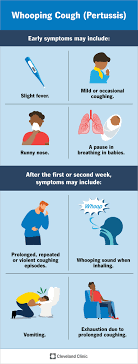
While symptoms may be less intense in adults compared to children, they can still be concerning and debilitating. The classic triad of pertussis includes:
- Initial phase: Mild symptoms such as a runny nose, mild cough, and low-grade fever (lasting 1-2 weeks).
- Severe phase: A persistent, severe cough that leads to difficulty breathing and gasping for air (lasting 1-6 weeks). This is characterized by a distinctive “whoop” sound when the person inhales.
- Recovery phase: Gradual improvement in symptoms, with fewer attacks of coughing and reduced contagiousness.
Complications of Pertussis in Adults
While less common than in children, adults can still experience severe complications, including:
- Prolonged sleep deprivation: Difficulty falling asleep or staying asleep due to persistent coughing.
- Respiratory problems: Coughing fits can lead to shortness of breath, chest pain, and potentially life-threatening respiratory failure.
- Weight loss: Malnutrition and decreased appetite can result from prolonged illness.
- Eye infections: Secondary bacterial infections in the eyes (e.g., conjunctivitis) can occur.
- Pneumonia: Infected lungs can become inflamed and infected.
- Hypoxia: In severe cases, pertussis can lead to hypoxia, a condition characterized by inadequate oxygen levels in the body.
- Increased risk of other infections: Adults with pertussis may be more susceptible to secondary bacterial infections, such as sinusitis or otitis media.
Diagnosis of Pertussis in Adults
A healthcare professional will diagnose pertussis based on a thorough medical history, physical examination, and laboratory tests. These may include:
- Physical exam: Evaluation of coughing fits, breathing patterns, and overall condition.
- Blood tests: To rule out other infections or conditions that may cause similar symptoms.
- Nasal swab test: Collection of a nasal mucus sample to identify the presence of Bordetella bacteria.
Treatment of Pertussis in Adults
Early treatment with antibiotics is essential for effective management and prevention of complications. Treatment typically involves:
- Antibiotics: Prescribed by a healthcare professional to reduce bacterial load and alleviate symptoms.
- Rest and hydration: Encouraging patients to stay hydrated, avoid strenuous activities, and get plenty of rest.
- Cough suppressants: May be prescribed to help manage coughing fits, but should not be used without consulting a healthcare professional.
Prevention and Vaccination
While vaccines are not 100% effective against pertussis, they can significantly reduce the risk of infection. Adults who have received their pertussis vaccination booster shot (if recommended) should still practice good hygiene and take precautions to prevent transmission.
Conclusion
Pertussis in adults may seem less severe than in children, but it’s crucial to seek medical attention if symptoms persist or worsen. By understanding the symptoms, complications, and treatment options for pertussis in adults, individuals can receive timely and effective care, reducing the risk of complications and ensuring a faster recovery.
Frequently Asked Questions (FAQs)
- Q: Can I transmit pertussis to others while experiencing mild symptoms?
A: Yes, you can still spread the infection even with mild symptoms. - Q: How long does it take for symptoms to develop after exposure to the virus?
A: Symptoms typically appear 5-10 days after exposure, but some people may not show symptoms at all. - Q: What are the most effective ways to prevent pertussis in adults?
A: Vaccination (if recommended), good hygiene practices, and avoiding close contact with infected individuals can help prevent transmission. - Q: Can I treat pertussis on my own without medical attention?
A: No, antibiotics prescribed by a healthcare professional are essential for effective management and prevention of complications. - Q: Are there any long-term effects or consequences of pertussis infection in adults?
A: While rare, secondary infections like pneumonia can occur, and some individuals may experience lingering symptoms or respiratory issues.
Additional Considerations
- Pregnancy: Pregnant women with pertussis are at higher risk for complications, including premature birth and low birth weight.
- Weakened immune system: Adults with weakened immune systems (e.g., due to chronic illnesses like diabetes or HIV/AIDS) may be more susceptible to severe symptoms and complications.
Managing Pertussis in the Workplace
- Quarantine: If an adult has pertussis, they should stay home from work until they are no longer contagious, which is typically after 5-7 days of antibiotics.
- Masking: Wearing masks can help reduce transmission to others, but it’s essential to follow proper hand hygiene and avoid close contact with infected individuals.
Conclusion
Pertussis in adults may seem less severe than in children, but it’s crucial to seek medical attention if symptoms persist or worsen. By understanding the symptoms, complications, and treatment options for pertussis in adults, individuals can receive timely and effective care, reducing the risk of complications and ensuring a faster recovery.
References
- Centers for Disease Control and Prevention (CDC). (2022). Pertussis (Whooping Cough).
- World Health Organization (WHO). (2019). Pertussis.
- National Institute of Allergy and Infectious Diseases (NIAID). (2020). Whooping Cough.
Remember to consult with your healthcare provider if you suspect you or someone you know has pertussis. Early diagnosis and treatment are crucial for effective management and preventing complications.


