
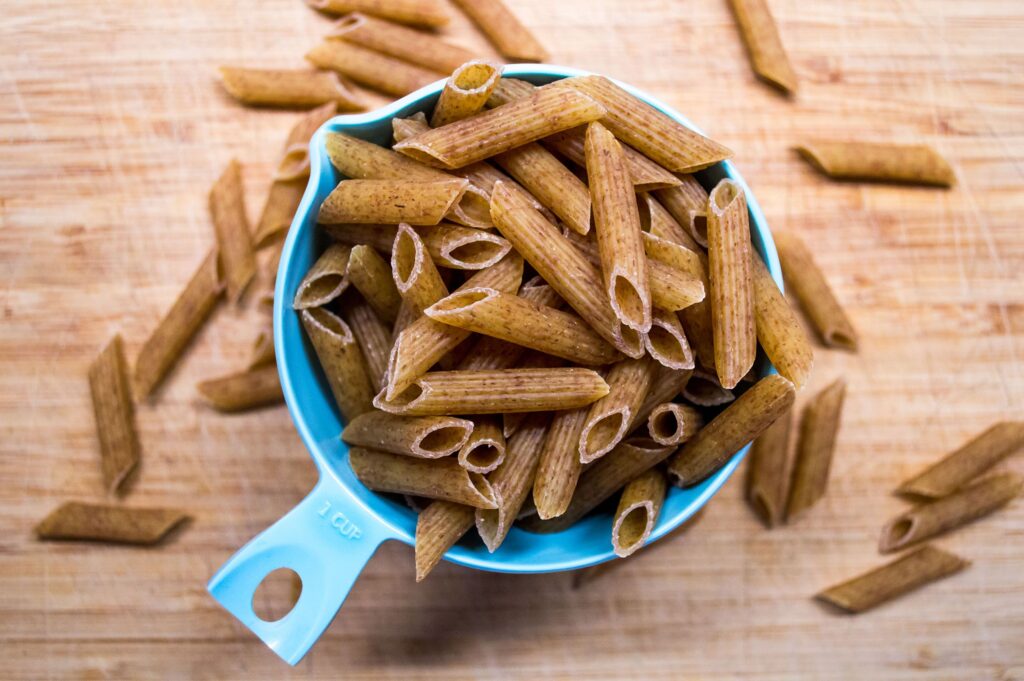
Whole grain pasta has gained popularity in recent years due to its numerous health benefits and versatility in various dishes. In this comprehensive guide, we will delve into the world of whole grain pasta, exploring what it is, why it’s beneficial, and how to incorporate it into your diet.
What is Whole Grain Pasta?
Whole grain pasta is made from a dough of semolina hard wheat and water, without the need for refinement or raffinization. This process allows us to retain all parts of the grain, including its natural nutrients. Unlike refined flour, which is stripped of its nutrient-rich bran and germ, whole grain pasta retains these essential components.
The Importance of Retaining Grain Nutrients
Retaining all parts of the grain ensures that we get to enjoy the full range of nutrients it has to offer. This includes fiber, vitamins, minerals, and antioxidants. These nutrients are crucial for maintaining overall health and well-being.
The Advantages of Whole Grain Pasta
So, why choose whole grain pasta over traditional white pasta? Here are some compelling reasons:
- Higher Fiber Content: Whole grain pasta is rich in dietary fiber, which can help lower cholesterol levels, regulate blood sugar, and promote digestive health.
- Lower Glycemic Index: The higher fiber content in whole grain pasta slows down the digestion of carbohydrates, resulting in a lower glycemic index and reduced risk of developing type 2 diabetes.
- Improved Gut Health: Whole grain pasta contains prebiotic fibers that feed beneficial gut bacteria, supporting a healthy gut microbiome.
Additional Nutritional Benefits
In addition to its high fiber content, whole grain pasta also boasts:
- Increased Protein Content: Many types of whole grain pasta are higher in protein compared to traditional white pasta.
- Rich Source of Vitamins and Minerals: Whole grain pasta is often fortified with essential vitamins and minerals like iron, zinc, and B vitamins.
- Antioxidant Properties: Whole grains contain a range of antioxidants that can help protect against oxidative stress and inflammation.
Choosing the Right Whole Grain Pasta
With so many options available in the market, choosing the right whole grain pasta can be overwhelming. Here are some tips to keep in mind:
- Check the Ingredients: Ensure that the pasta is made from 100% whole grains and does not contain any added preservatives or artificial flavorings.
- Look for Certification: Opt for products certified by organizations like the Whole Grains Council or the American Heart Association, which verify the product’s nutritional content.
- Be Mindful of Processing Methods: Some manufacturers may use high-heat processing methods that can damage the nutrients in whole grains. Look for products with minimal processing and no added preservatives.
Conclusion
Whole grain pasta is a nutritious alternative to traditional white pasta. By choosing whole grain options, we can reap the benefits of increased fiber content, lower glycemic index, improved gut health, and enhanced antioxidant properties. When selecting whole grain pasta, be sure to check the ingredients, look for certification, and opt for minimal processing methods.
Frequently Asked Questions
- What is the difference between whole grain and refined flour?
Whole grain flour comes from grains that have not been stripped of their nutrient-rich bran and germ, while refined flour is made from grains that have undergone extensive milling to produce a finer texture. - Can I use whole grain pasta as a substitute for traditional white pasta in every recipe?
While whole grain pasta can be used in many recipes, it may require adjustments in cooking time due to its denser texture and higher fiber content. - How do I store whole grain pasta to maintain its nutritional value?
Store whole grain pasta in an airtight container in a cool, dry place to prevent moisture absorption and spoilage. - Can I cook whole grain pasta in boiling water?
Whole grain pasta may benefit from cooking it al dente or slightly undercooked, as overcooking can make the fiber content more difficult to digest. - Is there a specific type of whole grain pasta that is higher in protein?
Some types of whole grain pasta, such as quinoa-based or amaranth-based pasta, are naturally higher in protein than others.
By incorporating whole grain pasta into your diet, you can experience the numerous benefits it has to offer. With its high fiber content, lower glycemic index, and improved gut health, whole grain pasta is an excellent choice for anyone looking to make a positive impact on their overall well-being.


