
When it comes to our health, we often assume that whole wheat bread is the clear winner over white bread. However, this assumption may not be entirely accurate. In reality, both options have their unique characteristics and effects on our bodies. To truly understand which one is better, let’s delve into the world of whole wheat and white bread.
Understanding Whole Wheat vs White Bread
Whole wheat bread, as its name suggests, is made from whole grains that include the bran, germ, and endosperm of the wheat kernel. On the other hand, white bread is made from refined flour that has been stripped of its nutrient-rich bran and germ. This process, known as refining, can lead to a significant loss of essential nutrients.
Why Choose Whole Wheat?
One of the primary reasons to choose whole wheat over white bread is the high fiber content it provides. Whole grains contain more fiber than refined flours, which can help lower cholesterol levels, promote digestive health, and even support weight management. Additionally, whole wheat contains a range of essential vitamins and minerals, including iron, selenium, and B vitamins.
Beyond Fiber: Other Benefits of Whole Wheat
While fiber is an important aspect of whole wheat, it’s not the only benefit. Whole grain bread can also:
- Increase satiety and reduce hunger
- Improve gut health and reduce symptoms of irritable bowel syndrome (IBS)
- Lower blood pressure and reduce the risk of heart disease
- Support bone health by providing essential minerals like calcium and phosphorus
The Dark Side of Whole Wheat
While whole wheat is generally considered a healthier option, there are some potential drawbacks to be aware of:
- Overconsumption of fiber can lead to digestive issues, such as bloating and gas
- Some people may experience an allergic reaction or intolerance to certain compounds found in whole grains
The White Bread Conundrum
White bread, on the other hand, has been linked to a range of health problems, including:
- Higher risk of chronic diseases like heart disease, type 2 diabetes, and certain types of cancer
- Lower levels of essential nutrients, including fiber, vitamins, and minerals
The Balance: How to Make an Informed Decision
So, which one is better? The answer lies in finding a balance between whole wheat and white bread. While whole grain bread offers numerous health benefits, it’s not the only option.
- Consider adding more fruits, vegetables, and legumes to your diet to boost fiber intake
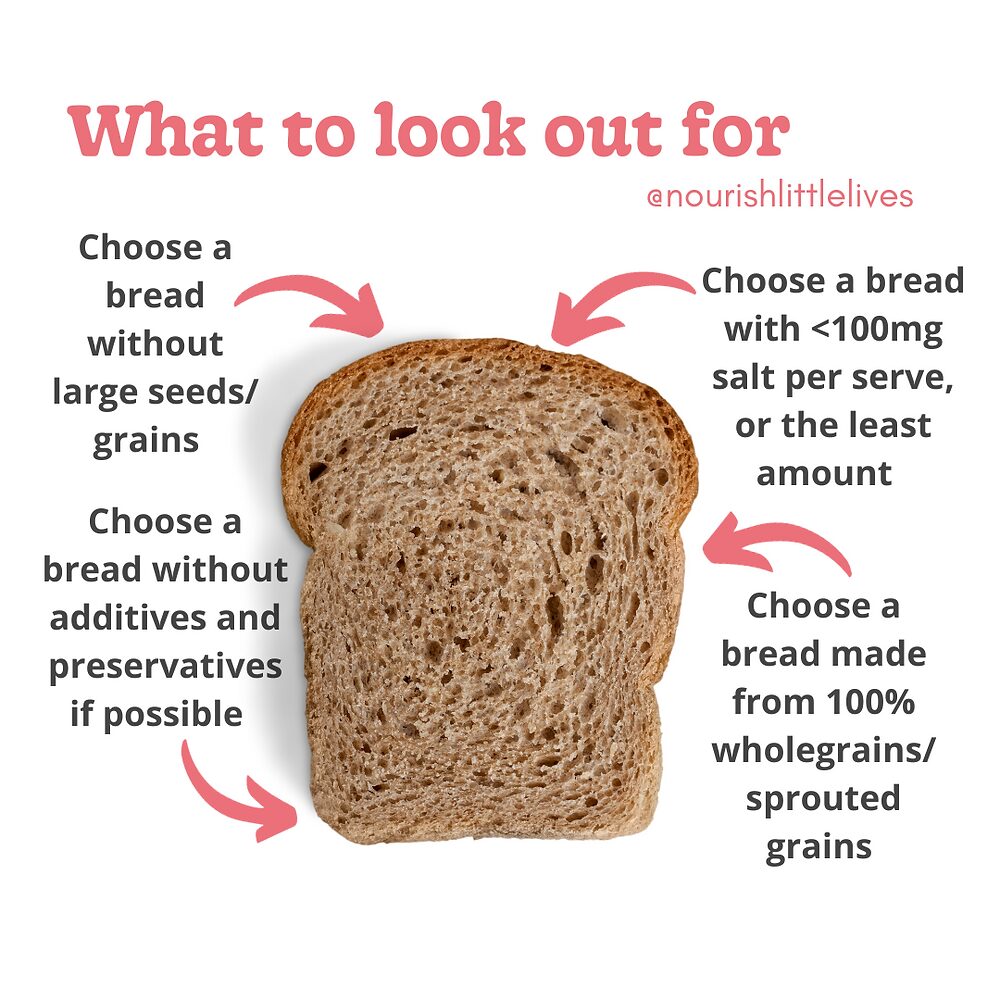
- Look for whole grain products that are minimally processed and contain fewer additives
- Balance your diet with a mix of whole grains, lean proteins, and healthy fats
Making Your Own Whole Wheat Bread
If you’re looking to make a healthier choice, consider making your own whole wheat bread at home. This can be as simple as:
- Using a recipe that incorporates whole wheat flour, water, yeast, salt, and sugar
- Experimenting with different types of flours and additives to find the perfect blend for your taste buds
By understanding the benefits and drawbacks of both whole wheat and white bread, you can make an informed decision about which option is best for you. Whether it’s choosing a homemade loaf or opting for a store-bought whole grain product, remember that balance is key.
Frequently Asked Questions
- What are the health benefits of whole wheat?
Whole wheat provides a range of essential nutrients, including fiber, vitamins, and minerals. It can help lower cholesterol levels, promote digestive health, and even support weight management. - Can I overconsume fiber from whole wheat?
Yes, excessive fiber consumption can lead to digestive issues like bloating and gas. Start with small amounts and gradually increase your intake to allow your body to adjust. - Is white bread inherently unhealthy?
White bread has been linked to a range of health problems, including chronic diseases and lower nutrient levels. However, not all white bread is created equal. Look for products that are minimally processed and contain fewer additives. - How do I balance my diet with whole grains?
Aim to include a variety of whole grains in your diet, such as brown rice, quinoa, and whole wheat bread. Balance your meals with lean proteins, healthy fats, and plenty of fruits and vegetables.
The Science Behind Whole Wheat and White Bread
When it comes to the nutritional content of whole wheat and white bread, there are several factors at play:
- Glycemic Index: The glycemic index (GI) measures how quickly a food raises blood sugar levels. Whole grain bread tends to have a lower GI than refined flour products like white bread.
- Phytate Content: Phytates are naturally occurring compounds found in whole grains that can inhibit the absorption of minerals like iron, zinc, and calcium. While phytates can be a concern for some individuals, they also provide antioxidant benefits.
- Additives and Preservatives: Many commercial bread products contain additives and preservatives to extend shelf life and improve texture. Opting for minimally processed whole grain products can help reduce exposure to these unwanted ingredients.
The Environmental Impact of Whole Wheat and White Bread
In addition to their nutritional effects, whole wheat and white bread also have different environmental impacts:
- Sustainability: Whole grains tend to require less water and pesticides than refined flours. This makes them a more sustainable option for environmentally conscious consumers.
- Carbon Footprint: The production of white flour requires more energy and generates higher greenhouse gas emissions than whole grain production.
Conclusion
The choice between whole wheat and white bread ultimately depends on individual preferences, dietary needs, and lifestyle choices. By understanding the benefits and drawbacks of both options, you can make an informed decision that supports your overall health and well-being. Whether it’s choosing a homemade loaf or opting for a store-bought whole grain product, remember that balance is key.
Additional Resources
- American Heart Association: WholeGrains.gov
- United States Department of Agriculture (USDA): ChooseMyPlate.gov
- Academy of Nutrition and Dietetics: EatRight.org
By exploring the world of whole wheat and white bread, you can gain a deeper understanding of the complex factors at play. Whether it’s nutrition, environmental impact, or personal preference, make an informed decision that supports your overall health and well-being.


