
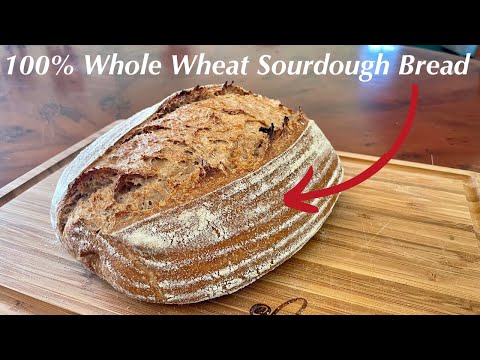
Introduction
Bread, the staff of life, has been a staple in our diets for centuries. In recent years, the rise of whole grain breads has gained popularity, thanks to its numerous health benefits. One type of bread that stands out is the natural sourdough, made with wild yeast and naturally fermented. In this article, we will delve into the world of natural sourdough bread-making, exploring its history, ingredients, properties, and benefits.
What is Sourdough Bread?
Sourdough bread is a type of bread that uses a natural starter culture instead of commercial yeast to rise. The starter culture is made from flour and water and contains wild yeast and lactic acid bacteria. This process takes longer than traditional bread-making methods, but the result is a more complex flavor profile and higher nutritional value.
History of Sourdough Bread
Sourdough bread has been around for centuries, with evidence of its existence dating back to ancient Egypt and Greece. The practice was also adopted by European colonizers in the Americas, where they used it as a staple food. Today, sourdough bread is enjoyed worldwide, with many artisanal bakeries using traditional methods.
The Science Behind Sourdough
Sourdough bread’s unique flavor profile and nutritional value can be attributed to the natural starter culture. When flour and water are mixed together, wild yeast and lactic acid bacteria present in the environment start to ferment, producing carbon dioxide gas and lactic acid as byproducts.
This process creates a more complex mixture of compounds that contributes to the bread’s characteristic flavor and texture. The longer fermentation time also increases the bioavailability of nutrients like iron and zinc, making sourdough bread a healthier option compared to traditional breads.
Benefits of Sourdough Bread
Sourdough bread has several benefits that make it a popular choice among health-conscious individuals:
- Lower Glycemic Index: Sourdough bread is digested more slowly, reducing the risk of blood sugar spikes and insulin resistance.
- Higher Nutrient Content: The longer fermentation time increases the bioavailability of nutrients like iron, zinc, and B vitamins.
- Increased Digestibility: The lactic acid produced during fermentation breaks down phytates, making minerals more accessible to the body.
Health Benefits of Sourdough Bread
In addition to its nutritional benefits, sourdough bread has been linked to several health benefits:
- Improved Gut Health: The lactic acid produced during fermentation acts as a prebiotic, feeding good bacteria in the gut and promoting a healthy gut microbiome.
- Reduced Inflammation: The antioxidants present in sourdough bread may help reduce inflammation in the body, which is associated with various chronic diseases.
Creating Your Own Sourdough Starter
To make sourdough bread, you need to create your own wild yeast starter culture using flour and water. Here’s a simple recipe to get you started:
Ingredients:
- 1 cup of whole grain flour (such as whole wheat or rye)
- 1 cup of filtered water
- Optional: sugar, fruit juice, or other ingredients to feed the starter
Instructions:
- Mix 1 cup of flour and 1 cup of filtered water in a clean glass jar.
- Cover the jar with a cloth and let it sit in a warm, draft-free place for 24-48 hours.
- Discard half of the starter and feed it with another 1/2 cup of flour and 1/2 cup of filtered water.
- Repeat the feeding process every 24 hours for the next 5-7 days to create an active starter culture.
Tips for Making Sourdough Bread
Here are some tips to help you make delicious sourdough bread:
- Use a Digital Scale: Weighing your ingredients accurately is crucial when making sourdough bread.
- Use Filtered Water: Chlorine in tap water can kill the wild yeast and affect the starter’s activity.
- Keep Your Starter Healthy: Regular feeding and storage of your starter will ensure it stays active and healthy.
Conclusion
Sourdough bread is more than just a tasty meal; it’s a healthy alternative that offers numerous benefits. By making your own sourdough bread using whole grain flour, water, salt, and wild yeast starter, you can enjoy a delicious and nutritious loaf that will make you feel good from the inside out.
Frequently Asked Questions
- How long does it take to create a wild yeast starter?
It typically takes 7-10 days for the starter culture to become active and bubbly. - What type of flour is best for sourdough bread?
Whole grain flours, such as whole wheat or rye, are recommended due to their higher nutritional content. - Can I use commercial yeast instead of wild yeast starter?
Yes, but the flavor profile and nutritional value will differ from traditional sourdough bread. - How often should I feed my wild yeast starter?
Feed your starter once a day for optimal health and activity.
Additional Resources
For more information on natural sourdough bread-making, we recommend checking out these resources:


