
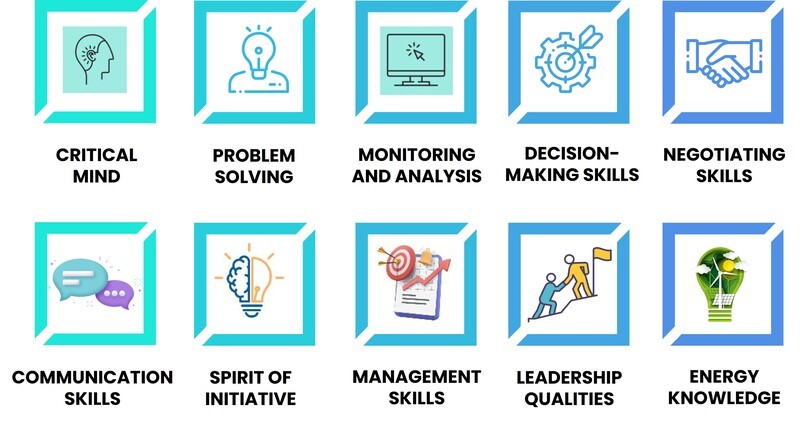
The energy manager figure emerged in the Anglo-Saxon world during the first oil crisis of 1973. The emergency, which was particularly severe, led decision-makers to appoint a competent and capable person – equipped with the necessary power and resources – to tackle and resolve the energy crisis. Fast forward to today, and it’s interesting to note that the energy manager ‘has come back in style’.
The History of Energy Management
Today, the FIRE (Italian Federation for Rational Energy Use) manages nominations for energy managers and develops initiatives to promote their role and exchange experiences through a network. The presence of an energy manager specifically appointed is mandatory (Law 10/1991) for all public and private energy consumers who exceed 10,000 kWh per year (if it’s an industry) or 1,000 kWh per year (for all other sectors). The law defines the energy manager as the ‘responsible for energy conservation and rational use’, outlines their duties, and describes their ideal profile.
What Does an Energy Manager Do in a Company?
But what exactly does an energy manager do in a company? What are their specific responsibilities? How are they incorporated into the organization, and what is their decision-making power? The law doesn’t specify this, so it’s up to companies and government organizations to organize themselves to make the most of the energy manager’s potential, especially considering the economic and environmental importance of energy.
The Evolution of Energy Management
For years, energy has been seen as a fixed cost by businesses, but with its growing weight and increased environmental awareness, it’s now a priority-opportunity that needs to be addressed and managed. The energy manager’s transversal skills have become strategic, but how can they develop them?
The Importance of the Energy Manager’s Letter or Decision
The FIRE highlights the importance of specifying the letter or decision regarding an energy manager’s appointment. While the law cannot detail their functions, duties, and objectives, these must be clearly outlined at the time of appointment. It’s also essential to define the energy manager’s hierarchical position, as this will determine their relationship with different levels within the organization.
Overcoming Challenges in Energy Management
One major obstacle to energy management is the energy manager’s position within the organizational chart. If an energy manager is relegated to a technical department, for example, they may only focus on maintenance without having a voice in decisions that affect energy costs (such as fuel suppliers, equipment design and installation, and services). To enable energy managers to contribute at their best, it’s necessary to – as FIRE suggests – place them in the staff directly in contact with decision-makers.
The Changing Role of Energy Managers
Energy management is also undergoing a transformation due to the increasing importance that this role will play in companies over the coming years. As such, energy manager competencies must adapt to the evolution of legislation and business needs.
FIRE notes that an energy manager should have broad technical skills, including IT knowledge; market understanding; economic valuation capabilities; familiarity with contractual arrangements; and organizational knowledge.
Key Takeaways
To summarize:
- The energy manager figure emerged in response to the first oil crisis in 1973.
- Today, companies must appoint energy managers specifically designated by law for public and private consumers exceeding certain energy thresholds.
- Energy management is crucial due to its economic and environmental importance.
- Companies must develop their own organizational structures to make the most of energy managers’ potential.
The Benefits of Energy Management
Energy management offers numerous benefits to businesses, including:
- Reduced energy costs: By optimizing energy consumption and reducing waste, companies can save significant amounts on their energy bills.
- Increased efficiency: Energy-efficient practices can improve productivity, reduce downtime, and enhance overall business performance.
- Environmental sustainability: Companies that prioritize energy management are more likely to adopt environmentally friendly practices and reduce their carbon footprint.
- Compliance with regulations: By implementing effective energy management strategies, companies can ensure compliance with relevant laws and regulations.
- Enhanced reputation: Businesses that demonstrate a commitment to energy efficiency and sustainability may experience improved brand perception and customer loyalty.
The Challenges of Energy Management
While the benefits of energy management are numerous, there are also several challenges that businesses must overcome:
- Technical complexity: Energy management requires technical expertise, which can be a barrier for some companies.
- Limited resources: Smaller companies or organizations with limited budgets may struggle to invest in energy-efficient equipment and technologies.
- Cultural barriers: Changing business practices and adopting new energy-efficient strategies can require significant cultural shifts within an organization.
- Balancing costs and benefits: Companies must weigh the costs of investing in energy-efficient solutions against the potential savings and environmental benefits.
Best Practices for Energy Management
To ensure successful energy management, companies should adopt the following best practices:
- Develop a clear organizational structure: Ensure that energy managers are placed in positions of authority within the organization to facilitate effective collaboration and decision-making.
- Provide training and support: Offer energy managers the necessary resources and training to develop their skills and competencies.
- Foster a culture of sustainability: Encourage employees to adopt environmentally friendly practices and promote sustainable business practices throughout the organization.
- Continuously monitor and evaluate performance: Regularly review energy management metrics and adjust strategies as needed to ensure optimal efficiency.
- Collaborate with external experts: Engage with external organizations, such as energy consulting firms or industry associations, to gain insights and best practices in energy management.
Conclusion
The role of an energy manager has evolved significantly over the years, driven by changes in legislation and growing environmental awareness. To ensure that businesses make the most of this opportunity, it’s essential to develop effective organizational structures, provide energy managers with the necessary support and resources, and foster a culture of sustainability. By doing so, companies can optimize energy costs, contribute to a more sustainable future, and drive business success.
Case Studies
Several companies have successfully implemented energy management strategies, resulting in significant savings and environmental benefits. Here are a few examples:
- British Gas: British Gas, a leading energy provider, has developed an innovative energy management platform that helps customers reduce their energy consumption and costs.
- Unilever: Unilever, a multinational consumer goods company, has implemented a comprehensive energy management strategy that includes renewable energy sources, energy-efficient equipment, and behavioral change initiatives.
- IKEA: IKEA, the Swedish furniture retailer, has developed an ambitious energy management plan that aims to reduce its carbon footprint by 50% by 2025.
Conclusion
The role of an energy manager is crucial for businesses seeking to optimize their energy costs, contribute to a more sustainable future, and drive business success. By understanding the evolution of energy management, developing effective organizational structures, providing energy managers with necessary resources and support, and fostering a culture of sustainability, companies can achieve significant benefits from energy management.
FAQs
- What exactly does an energy manager do in a company?
An energy manager’s responsibilities can include developing energy-saving strategies, conducting energy audits, and negotiating with suppliers to optimize energy costs. - How are energy managers incorporated into organizational structures?
Energy managers should be placed in the staff directly in contact with decision-makers to ensure effective collaboration and coordination. - What skills do energy managers need to develop their competencies?
An energy manager should have broad technical skills, including IT knowledge; market understanding; economic valuation capabilities; familiarity with contractual arrangements; and organizational knowledge. - How can companies overcome the challenges of energy management?
Companies must develop their own organizational structures to make the most of energy managers’ potential, while also providing them with the necessary support and resources. - What role will energy managers play in companies over the coming years?
Energy managers will play an increasingly important role in companies due to their ability to optimize energy costs and contribute to a more sustainable future.
Recommendations
Based on the analysis of the benefits, challenges, and best practices for energy management, here are some recommendations:
- Develop a clear organizational structure: Ensure that energy managers are placed in positions of authority within the organization.
- Provide training and support: Offer energy managers the necessary resources and training to develop their skills and competencies.
- Foster a culture of sustainability: Encourage employees to adopt environmentally friendly practices and promote sustainable business practices throughout the organization.
- Continuously monitor and evaluate performance: Regularly review energy management metrics and adjust strategies as needed to ensure optimal efficiency.
- Collaborate with external experts: Engage with external organizations, such as energy consulting firms or industry associations, to gain insights and best practices in energy management.
By following these recommendations, companies can develop effective energy management strategies that drive business success, contribute to a more sustainable future, and optimize energy costs.


