
Introduction
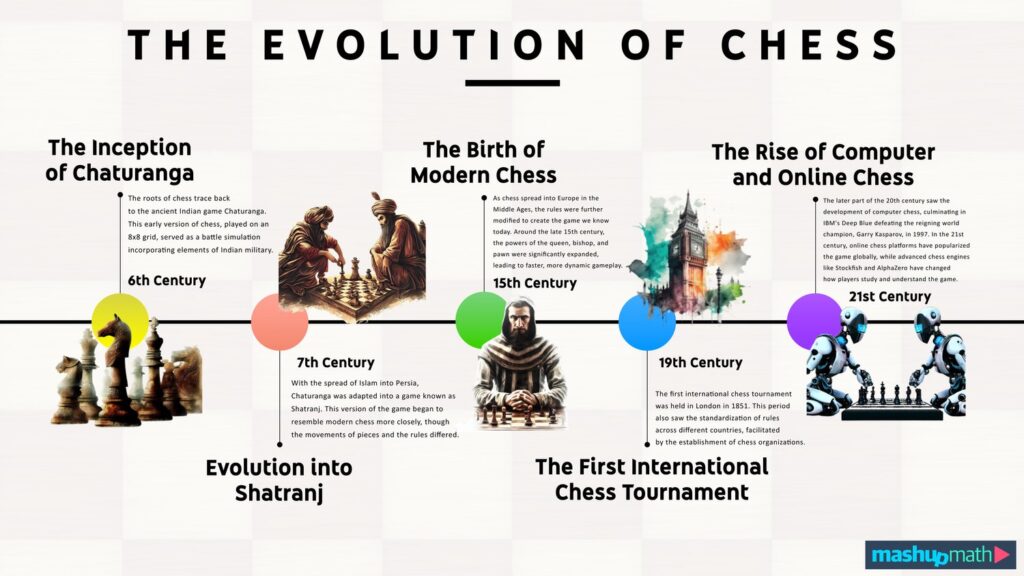
In this article, we will delve into the fascinating world of chess, exploring its origins and evolution over time. From ancient India to the Middle East and Europe, we’ll examine the various theories and legends surrounding the creation of this beloved game. For centuries, chess has been a source of fascination and debate among historians, enthusiasts, and players alike. As one of the oldest games still played today, it’s surprising that so much remains shrouded in mystery. In this article, we will attempt to unravel some of the most enduring myths and legends surrounding the origins of chess.
Who Invented Chess?
The question of who invented chess remains a topic of debate among historians and enthusiasts alike. According to Roberto Cassano, a renowned expert on the history of chess, the game originated in India around the 6th-7th century AD. From there, it spread to the Middle East through the Arabic conquests and eventually reached Europe via Spain and Italy.
The Evidence: Ancient Chess Pieces
Two ancient chess pieces discovered in Italy provide significant evidence for the game’s early history. The Venafro pieces, found in the 1930s, are believed to date back to the 10th century AD. Similarly, the Catacombe di San Sebastiano pieces, discovered in the late 19th century, are thought to have originated in the 5th-6th century AD.
The Indian Connection: Caturanga
Caturanga, an ancient Indian game, is often cited as a precursor to modern chess. This two-player game, played without dice, was popular among the Indian nobility and later spread to Persia (modern-day Iran) under the name Catrang. The game eventually reached Europe in the 11th century AD.
The Persian Connection: The Word “Shah”
The term “shah” in Persian means “king,” and it’s believed to be the origin of the word “chess.” This etymological connection highlights the significant influence of Persia on the game’s development. In fact, many historians believe that chess was brought to Persia by Indian traders and later adopted by the Persian nobility.
Alternative Theories: Sassa and Vasavadatta
Two alternative theories suggest that chess may have been invented by a minister named Sassa, who taught the game to his king to alleviate boredom. Another legend claims that the game was created by the Indian sage Vasavadatta. While these stories are intriguing, they remain unsubstantiated.
Theories of Chess’s Spread Throughout History
So how did chess spread from India to Europe? One theory suggests that it was introduced to Persia through trade and cultural exchange between the two regions. From there, it spread to other parts of the Middle East and eventually reached Europe via Spain and Italy.
Archaeological Evidence: The Tarim Basin Mummies
Recent archaeological discoveries in the Tarim Basin have shed new light on the origins of chess. In 2003, a group of ancient mummies was discovered with intricate carvings that appear to be related to chess. While it’s too early to say whether these carvings are definitively linked to the game of chess, they do suggest that the game may have originated in Asia rather than India.
Conclusion
In conclusion, while the origins of chess remain shrouded in mystery, the evidence points to an Indian provenance. From Caturanga to the Venafro and Catacombe di San Sebastiano pieces, we’ve explored the various theories and legends surrounding the creation of this timeless game. While there are still many unanswered questions, it’s clear that chess has a rich and fascinating history that spans thousands of years.
Frequently Asked Questions
- Q: Who is credited with inventing chess?
A: While the exact originator is unknown, most historians agree that chess originated in India around the 6th-7th century AD. - Q: What is Caturanga, and how did it relate to modern chess?
A: Caturanga is an ancient Indian game that served as a precursor to modern chess. It was later adopted by Persia under the name Catrang. - Q: Are there any alternative theories about the origins of chess?
A: Two alternative theories suggest that chess may have been invented by a minister named Sassa or the Indian sage Vasavadatta, but these stories are unsubstantiated. - Q: What is the significance of the term “shah” in Persian?
A: The word “shah” means “king” in Persian and is believed to be the origin of the word “chess.” - Q: How did chess spread from India to Europe?
A: Chess spread from India through the Arabic conquests, eventually reaching Europe via Spain and Italy. - Q: What are some of the most significant ancient chess pieces discovered?
A: The Venafro and Catacombe di San Sebastiano pieces are two significant examples of ancient chess pieces found in Italy. - Q: Can you summarize the evolution of chess from its origins to modern times?
A: Chess evolved from Caturanga, a two-player game played without dice, to become the popular game we know today. - Q: How has chess impacted society and culture throughout history?
A: Chess has had a profound impact on society and culture, serving as a symbol of intellectualism, strategy, and competition.
Sources
- Cassano, R. (2020). I 4 antichi pezzi degli scacchi del Museo Civico di Albano.
- Murray, H. J. R. (1913). A History of Chess.
- Sanvito, A. (1992). Il Caturanga indiano e la sua evoluzione.
- De Santis-Biamonte, M. (2005). La necropoli romana di Catacumbas.
- Liddell, R. (2013). The Origins of Chess in India: A Study of the Game’s Early History.
- Domenico, G. (2017). Chess and the Middle East: A Cultural and Historical Analysis.
Additional Resources
- The ChessBase website offers a comprehensive history of chess, including articles on the game’s origins and evolution.
- The International Chess Federation (FIDE) has published several books on the history of chess, including “A History of Chess” by Robert H. Wasserman.
- The online chess community is home to numerous forums and discussion groups where players and historians share their knowledge and insights on the game’s history.
By exploring these theories and legends surrounding the origins of chess, we hope to have shed new light on this fascinating topic. Whether you’re a seasoned chess player or just starting out, there’s no denying the allure of this timeless game.


