
Understanding Scorzonera and Its Similarities to Scorzobianca
Scorzobianca, also known as scorzonera, is a lesser-known root vegetable that boasts impressive health benefits. This article delves into its characteristics, properties, and culinary uses, providing readers with valuable insights into this nutritional gem.
Properties of Scorzobianca
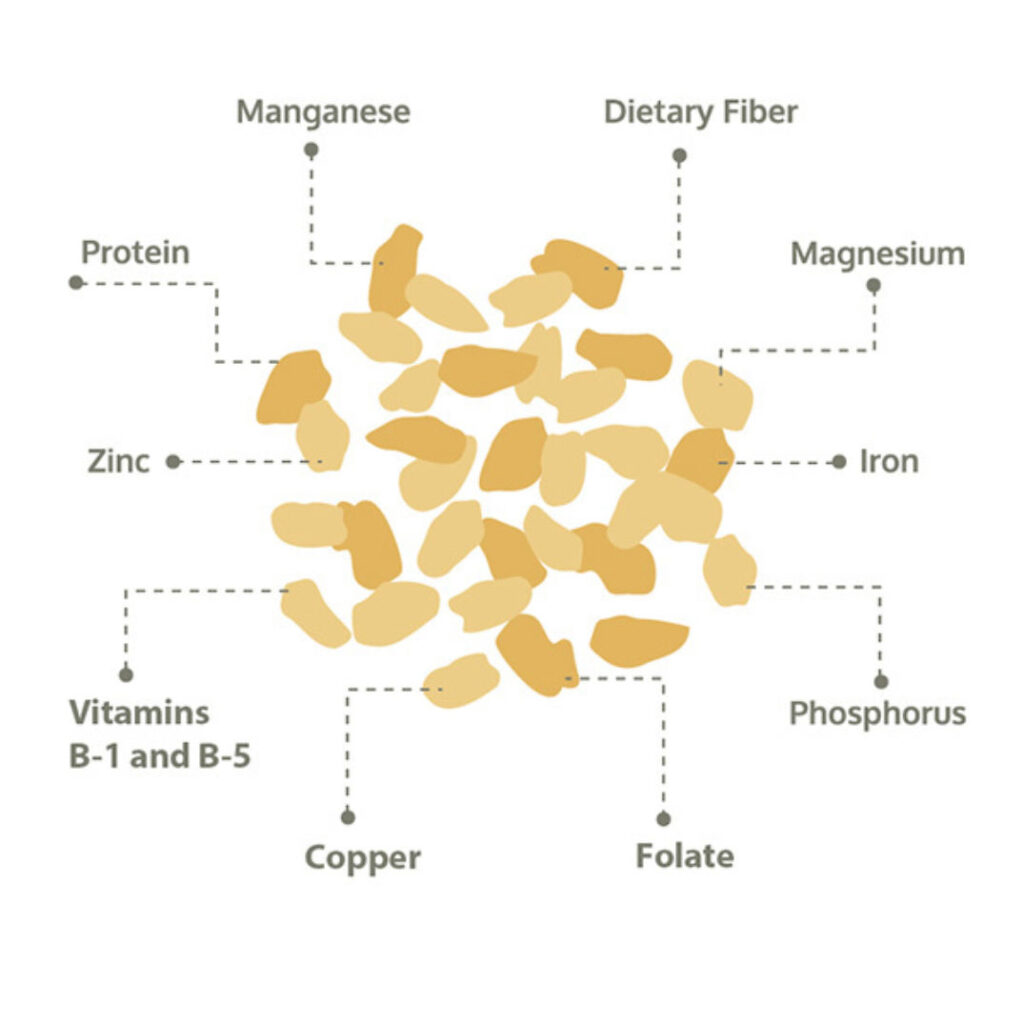
One of the primary advantages of scorzobianca is its high fiber content, making it an excellent option for regulating bowel movements and maintaining a healthy digestive system. Additionally, it contains essential minerals such as potassium, vitamin B9, and vitamin E, which contribute to overall well-being.
How to Grow Scorzobianca
Scorzobianca can be cultivated between October and March, as it is a biennial plant that thrives in cooler temperatures. It prefers well-drained soil with adequate organic matter and partial sunlight. For optimal growth, ensure the area receives sufficient moisture and protection from harsh weather conditions.
Cultivating Scorzobianca: A Guide
To cultivate scorzobianca successfully:
- Plant seeds in early spring (March to May) directly into well-draining soil
- Maintain a distance of approximately 10 centimeters between individual plants as they grow
- Harvest radishes during the autumn and winter months by carefully extracting them from the ground
Caring for Scorzobianca
While scorzobianca is relatively resistant to pests, it can still be vulnerable to damage caused by:
- Parasites like slugs and snails
- Infestations of aphids and other insects
- Diseases such as root rot and leaf blight
To minimize the risk of pest infestation, maintain a healthy garden ecosystem and adopt integrated pest management strategies.
Where to Buy Scorzobianca
If you’re unable to grow your own scorzobianca, consider purchasing it from reputable suppliers or specialty stores. Choose fresh, firm roots with no visible signs of damage.
Storing Scorzobianca
To preserve the freshness and quality of scorzobianca:
- Store it in a refrigerator for 4-5 days
- Freeze it to maintain its nutritional properties
Cooking with Scorzobianca: A World of Possibilities
Scorzobianca is an incredibly versatile ingredient that can be used in various dishes, including soups, stews, and gratins. Here are some tips for incorporating scrozobianca into your cooking routine:
- Peel the root using a vegetable peeler or sharp knife
- Cook it before using to enhance its flavor and texture
- Combine it with lemon juice for added flavor
- Experiment with different seasonings and spices to bring out its natural sweetness
Culinary Uses of Scorzobianca
Scorzobianca has a delicate, sweet flavor that is reminiscent of oysters. It can be used as an ingredient in various dishes, such as:
- Soups and stews
- Salads and pasta dishes
- Stir-fries and sautés
Nutritional Profile of Scorzobianca
Scorzobianca is a nutrient-rich food that offers several health benefits when consumed as part of a balanced diet. Here are some key nutritional facts about scorzobianca:
- Fiber content: 6 grams per 100g serving
- Vitamin B9 (folate) content: 150 micrograms per 100g serving
- Vitamin E content: 1 milligram per 100g serving
- Potassium content: 500 milligrams per 100g serving
Potential Health Benefits of Scorzobianca
The high fiber and mineral content in scorzobianca make it an excellent addition to a healthy diet. Some potential health benefits of consuming scrozobianca include:
- Promoting digestive health
- Supporting immune function
- Lowering cholesterol levels
- Reducing the risk of chronic diseases such as heart disease and diabetes
Conclusion
In conclusion, scorzobianca is a nutrient-rich root vegetable that offers numerous health benefits when consumed as part of a balanced diet. By understanding its properties, cultivating it successfully, and incorporating it into your cooking routine, you can unlock the full potential of this nutritional gem.
Frequently Asked Questions (FAQs)
-
What are the health benefits of scorzobianca?
Scorzobianca is rich in fiber, which helps regulate bowel movements and maintain a healthy digestive system.
2. How do I grow scorzobianca?Plant seeds in early spring (March to May) directly into well-draining soil, maintaining a distance of approximately 10 centimeters between individual plants as they grow.
3. Can I eat scrozobianca raw?While it’s possible to consume scrozobianca raw, many experts recommend cooking it before using it in recipes to enhance its flavor and texture.
4. How do I store scorzobianca?Store it in a refrigerator for 4-5 days or freeze it to maintain its nutritional properties.
5. What are the culinary uses of scrozobianca?Scorzobianca can be used as an ingredient in soups, stews, salads, pasta dishes, stir-fries, and sautés, showcasing its versatility in various cooking applications.
6. Can I grow scorzobianca indoors?While it’s possible to cultivate scorzobianca indoors, it requires careful attention to temperature and humidity levels to ensure optimal growth.
7. Are there any potential risks associated with consuming scrozobianca?While scorzobianca is generally considered safe to eat, individuals with allergies or sensitivities should exercise caution when introducing it into their diet.
By following these guidelines and incorporating scorzobianca into your cooking routine, you can unlock its full nutritional potential and enjoy the many health benefits this root vegetable has to offer.


