
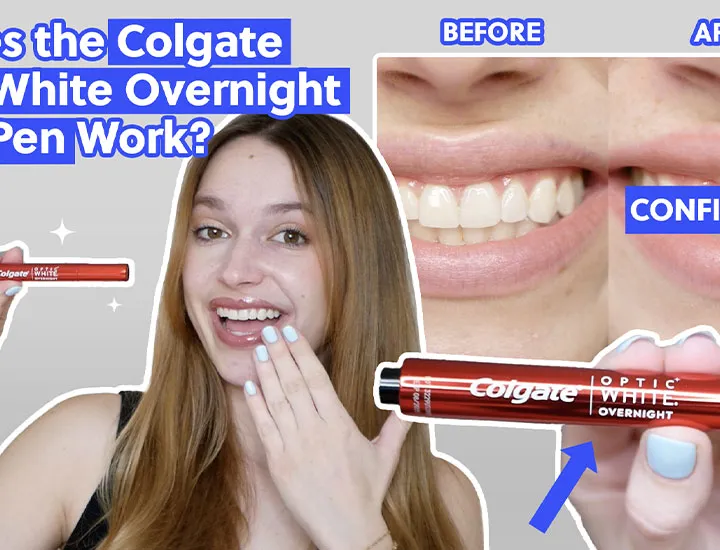
Introduction
In today’s world, having a bright and radiant smile is more important than ever. With the rise of whitening pens, many people are turning to these convenient and easy-to-use products to achieve their desired level of whiteness. But what exactly do these pens do, and how do they work? In this article, we’ll delve into the world of whitening pens, exploring their benefits, drawbacks, and everything in between.
What Are Whitening Pens?
Whitening pens are a type of oral care product designed to temporarily whiten teeth. They typically contain a mixture of ingredients that help to remove surface stains and discoloration, leaving teeth looking brighter and more radiant. Unlike traditional whitening strips or trays, whitening pens are easy to use and don’t require any commitment or maintenance.
History of Whitening Pens
Whitening pens have been around for several decades, with the first versions emerging in the 1970s. However, it wasn’t until the 2000s that they became widely available and gained popularity as a quick and easy solution for achieving a brighter smile.
How Do Whitening Pens Work?
Whitening pens work by depositing a thin layer of whitening agents onto the teeth. These agents can be in the form of mild abrasives, hydrogen peroxide, or other ingredients designed to break down and remove surface stains. The pen is simply applied to the teeth for a few minutes before being rinsed off with water.
The Science Behind Whitening Pens
Whitening pens use a combination of physical and chemical mechanisms to whiten teeth. The mild abrasives in these pens help to remove surface stains, while the whitening agents (such as hydrogen peroxide) break down and neutralize chromogens – the pigments responsible for tooth discoloration.
The Benefits of Whitening Pens
So, why should you consider using a whitening pen? Here are just a few benefits:
- Convenient: Whitening pens are easy to use and require no commitment or maintenance.
- Portable: They’re perfect for on-the-go touch-ups or travel.
- Affordable: Many whitening pens are affordable and can be purchased at most pharmacies or online.
- Quick Results: Many users report seeing noticeable results in just a few uses.
The Drawbacks of Whitening Pens
While whitening pens have many benefits, there are also some drawbacks to consider:
- Temporary Results: The effects of whitening pens typically don’t last long-term and may need to be reapplied regularly.
- Limited Coverage: Some users report that the pens don’t cover entire teeth evenly, leaving gaps and imperfections.
- Ingredient Concerns: Some ingredients in whitening pens have raised health concerns, such as abrasives or peroxide.
Comparison of Popular Whitening Pens
There are many different types of whitening pens on the market, each with their own unique ingredients and benefits. Here’s a comparison of some popular options:
| Product | Ingredients | Price |
|---|---|---|
| Mentadent White Now Touch | Carbonate di calcio | $9.60 (Amazon) |
| Clinodent Antiplacca | Carbonato di calcio e ingredienti abrasivi | $15.90 (Amazon) |
Types of Whitening Pens
There are several different types of whitening pens available, each with its own unique characteristics and benefits. Here are a few examples:
- Hydrogen Peroxide-Based Pens: These pens use hydrogen peroxide as the primary whitening agent. They’re known for their effectiveness in removing tough stains and discoloration.
- Mild Abrasive Pens: These pens use mild abrasives to help remove surface stains. They’re often preferred by those with sensitive teeth or gums.
- Charcoal-Based Pens: These pens use activated charcoal as the primary whitening agent. They’re known for their ability to absorb and neutralize stains, leaving teeth looking brighter.
How Often Should I Use a Whitening Pen?
The frequency of use will depend on individual results and personal preferences. Some users report needing to reapply every few days, while others may only need to use them once or twice a week.
Tips for Using Whitening Pens Effectively
Here are a few tips for using whitening pens effectively:
- Always follow the instructions provided by the manufacturer.
- Use the pen as directed – typically applying it to teeth for 30 seconds before rinsing off with water.
- Avoid using whitening pens too frequently, as this can lead to temporary tooth sensitivity or irritation.
- Consider combining whitening pens with other oral care products, such as fluoride toothpaste or mouthwash.
Frequently Asked Questions
- What are the ingredients in whitening pens?
Whitening pens can contain a variety of ingredients, including mild abrasives, hydrogen peroxide, and other agents designed to break down and remove surface stains. - How long do the effects of whitening pens last?
The effects of whitening pens typically don’t last long-term and may need to be reapplied regularly. Some users report that results can last anywhere from a few days to several weeks, depending on usage and individual factors. - Are whitening pens safe to use?
While generally considered safe when used as directed, whitening pens can raise some health concerns. For example, abrasives or peroxide can potentially irritate the gums or tooth enamel if used excessively or incorrectly. - Can I use whitening pens with other oral care products?
It’s recommended to consult with a dentist or healthcare professional before using any new oral care product, including whitening pens. They can help determine whether it’s safe and suitable for your specific needs and health status.
By understanding the benefits and drawbacks of whitening pens, you can make an informed decision about whether or not to try one for yourself.


