
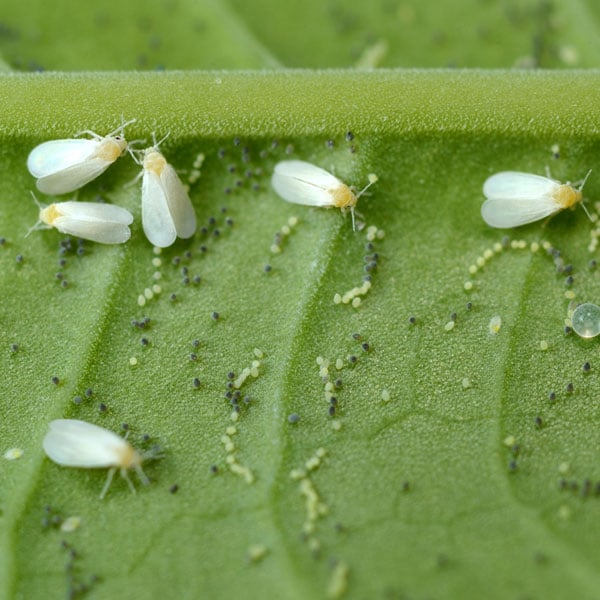
When we say someone is a “mosquito white,” it means they stand out, catch the eye, and are noticeable, much like a white mosquito among its dark, swarming peers. However, this term has nothing to do with the actual insect in question, which we’ll explore below.
Understanding the Whitefly
The whitefly is not an albino species; it’s actually a different insect altogether that belongs to the family Aleyrodidae. This pest is widespread and can be found on every continent due to its remarkable adaptability to various environments and climates. Its origins are traced back to tropical regions, where it thrives in warm and humid conditions, often in poorly ventilated areas like greenhouses.
The whitefly’s reproduction rate is incredibly fast, making it challenging to eradicate. Females lay up to 200 eggs on the underside of leaves, which hatch after just 12 days. The resulting nymphs go through three stages before becoming adult whiteflies, which look like tiny, harmless butterflies but are actually pests. These insects are only about two millimeters long and have a creamy white color.
Whitefly: A Pest of Fruiting Crops
The whitefly is particularly problematic for fruiting crops, such as citrus trees, where it targets the lower leaves, causing discoloration and weakening the plant. If left unchecked, this pest can be fatal to the tree. The whitefly’s saliva contains a substance that not only ingests nutrients from the plant but also transmits viruses and bacteria, further exacerbating the problem.
In addition to citrus trees, other plants like geraniums, begonias, petunias, and cyclamen are also susceptible to this pest. Interestingly, basil, peppers, and eggplants are relatively resistant to whitefly attacks.
Whitefly: A Threat to Our Gardens
When it comes to home gardens, the whitefly is a significant threat due to its ability to infest various plants. To protect your garden, it’s essential to understand the types of plants that are most susceptible to whitefly attacks and take preventative measures.
One common misconception about whiteflies is that they only target certain plants. However, this pest can affect both ornamental and non-ornamental plants. In Italy, for example, whiteflies are more commonly found in the southern regions, which share similar climate conditions with their native habitats.
Identifying Whitefly Damage
If you suspect a whitefly infestation in your garden, look out for these signs of damage:
- Yellowing or stunted leaves
- Black spots on the underside of leaves
- Presence of whiteflies flying around plants
- Presence of eggs or nymphs on plant stems and leaves
Prevention is Key
To prevent whitefly infestations, make sure to inspect your plants regularly for signs of damage. Here are some tips to help you keep your garden free from these pesky insects:
- Remove any infested plants or parts
- Use yellow sticky traps in greenhouses and indoor gardens to capture adult whiteflies
- Employ beneficial insects like Encarsia formosa and Beauveria bassiana to target whitefly eggs and adults
- Practice integrated pest management (IPM) techniques
Natural Remedies to Combat Whitefly
While chemical pesticides may be effective against whiteflies, they also pose environmental risks. Fortunately, there are natural remedies that can help control this pest without harming the environment or your plants.
Some of these methods include:
- Using yellow sticky traps in greenhouses and indoor gardens
- Employing beneficial insects like Encarsia formosa and Beauveria bassiana to target whitefly eggs and adults
- Applying natural insecticides, such as neem oil and pyrethrin
- Practicing integrated pest management (IPM) techniques
By understanding the whitefly’s behavior, identifying susceptible plants, and using a combination of natural remedies and preventative measures, you can effectively manage this pest and protect your garden.
FAQs
Q: What is the difference between a whitefly and an albino insect?
A: A whitefly is not an albino species; it’s a different insect altogether that belongs to the family Aleyrodidae. The term “mosca bianca” refers to a person who stands out in a group, much like a white mosquito among its dark, swarming peers.
Q: How do I prevent whitefly infestations in my garden?
A: To prevent whitefly infestations, make sure to inspect your plants regularly and remove any infested leaves or stems. You can also use yellow sticky traps in greenhouses and indoor gardens to capture adult whiteflies. Additionally, employ beneficial insects like Encarsia formosa and Beauveria bassiana to target whitefly eggs and adults.
Q: Are there natural remedies available to combat whitefly?
A: Yes, there are several natural remedies that can help control whitefly populations without harming the environment or your plants. Some effective methods include using yellow sticky traps, beneficial insects, natural insecticides like neem oil and pyrethrin, and integrated pest management (IPM) techniques.
Q: How do I identify susceptible plants to whitefly attacks?
A: Whiteflies can infest a wide range of plants, including fruiting crops, ornamental plants, and non-ornamental plants. Common susceptible plants include citrus trees, geraniums, begonias, petunias, cyclamen, basil, peppers, and eggplants.
Q: Can I use pesticides to control whitefly populations?
A: While chemical pesticides may be effective against whiteflies, they also pose environmental risks. It’s recommended to explore natural remedies and preventative measures before resorting to pesticides.
Whitefly Prevention Strategies
In addition to understanding the whitefly’s behavior and identifying susceptible plants, there are several prevention strategies you can employ to keep your garden free from these pests:
- Use physical barriers: Cover plants with fine-mesh screens or row covers to prevent adult whiteflies from landing on them.
- Install yellow sticky traps: Place yellow sticky traps in greenhouses and indoor gardens to capture adult whiteflies.
- Employ beneficial insects: Encarsia formosa and Beauveria bassiana are two beneficial insects that can be used to control whitefly populations. These insects can be purchased online or at local gardening stores.
- Practice integrated pest management (IPM): IPM involves using a combination of techniques, such as physical barriers, biological controls, and cultural practices, to manage pests in the garden.
Common Whitefly-Resistant Plants
Some plants are more resistant to whitefly attacks than others. Here are some common whitefly-resistant plants:
- Citrus trees: These trees are naturally resistant to whiteflies due to their thick waxy leaves that make it difficult for the insects to feed.
- Basil: Basil is a popular herb that is resistant to whitefly attacks due to its strong scent, which repels these pests.
- Peppers: Peppers are another plant that is resistant to whitefly attacks. The spicy heat from these peppers deters adult whiteflies from landing on them.
Whitefly Prevention Tips
Here are some additional tips for preventing whitefly infestations:
- Inspect your plants regularly: Regularly inspect your plants for signs of damage, such as yellowing or stunted leaves.
- Remove any infested plants: If you find a plant with whiteflies, remove it immediately to prevent the spread of this pest.
- Use neem oil: Neem oil is a natural pesticide that can be used to control whitefly populations. Mix neem oil with water according to the label instructions and spray it on your plants.
Conclusion
Whiteflies are a common pest found in gardens around the world, but they don’t have anything to do with albinism or being “mosquito whites.” These insects thrive in warm and humid conditions and can infest various plants, including fruiting crops. To prevent whitefly infestations, it’s essential to understand the types of plants that are susceptible to whitefly attacks and take preventative measures. By employing natural remedies and prevention strategies, you can effectively manage this pest and protect your garden.


