
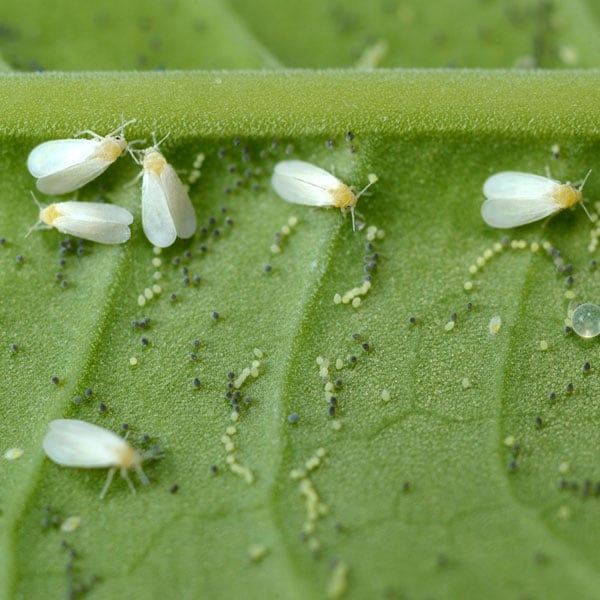
As we tend to our gardens and orchards, we often find ourselves facing unwanted pests that can cause significant damage. Among these, whiteflies are a common and bothersome infestation that requires attention and effective management. While they may not be as deadly as other insects, it’s essential to keep them under control using natural remedies.
Understanding Whitefly Infestations
Whiteflies are attracted to the lower surface of leaves, where their larvae feed on plant sap. They then fly away, leaving behind a trail of damage. The most affected plants are those commonly found in gardens and orchards, such as tomatoes and cucumbers, especially when they’re grown in greenhouses. Ornamental plants also fall prey to these pesky insects.
The Real Problem: Whitefly Excrement
It’s the larvae that cause the initial damage by sucking plant sap, leading to yellowish spots on leaf surfaces. However, it’s their waste products that create a real problem for gardeners. A sticky, adhesive coating covers the leaves, creating an ideal environment for other pests like fungus gnats to thrive.
Prevention is Key
To prevent whitefly infestations, it’s essential to maintain good air circulation in greenhouses and indoor spaces. This allows plants to breathe freely and reduces the likelihood of these insects taking hold. In addition, using natural remedies can help strengthen plant defenses.
Natural Remedies for Whitefly Control
- Agio Infusion: A homemade infusion made from garlic cloves can be used to repel whiteflies.
- Orchard Herb Infusions: Certain herbs like dandelion and calendula have natural properties that can ward off whiteflies when applied to leaves.
There are various commercial products available on the market that cater specifically to whitefly control. These include:
Commercial Products for Whitefly Control
- Alginate Wafers: Some companies offer alginate-based wafers that help prevent whitefly infestations.
- Tape Traps: Specific tape traps can be used to capture and eliminate whiteflies.
Other Natural Solutions
When looking for natural solutions, there are also some products that contain Azadiractin, a naturally occurring compound derived from the Neem tree. These products can help control whitefly populations without harming beneficial insects.
Other Natural Products with Azadiractin
- Neem Oil: A natural oil extracted from the seeds of the Neem tree.
- Azadirachta Indica Extracts: Some plant extracts contain azadiractin, a compound that helps regulate insect growth and development.
Conclusion
Preventing whitefly infestations requires a combination of good air circulation, proper plant care, and natural remedies. By understanding the life cycle and behaviors of these insects, we can take steps to prevent their spread and protect our beloved plants. If you’re looking for specific products or guidance on how to manage whiteflies in your garden or greenhouse, don’t hesitate to reach out.
Frequently Asked Questions
Q: What is the best way to identify whitefly infestations?
A: Look for small, winged insects flying around plants, as well as yellowish spots on leaf surfaces. Whitefly excrement can also be seen as a sticky coating on leaves.
Q: How do I prevent whiteflies from infesting my greenhouse?
A: Maintain good air circulation in your greenhouse and use natural remedies like agio infusion or orchard herb infusions to repel whiteflies.
Q: Can I grow tomatoes without using pesticides?
A: Yes, with proper care and attention, you can grow healthy tomatoes without using pesticides. Use natural remedies like Azadiractin-based products or Neem oil to control pests.
Q: What are some common types of plants that attract whiteflies?
A: Whiteflies tend to infest warm-season crops like cucumbers, tomatoes, and squash. They also target ornamental plants like begonias and impatiens.
Q: How do I treat whitefly infestation in my garden?
A: Use a combination of natural remedies and commercial products containing Azadiractin or Neem oil to control whiteflies. Remove infected plants and practice good sanitation to prevent re-infestation.
Q: Can I use whitefly traps indoors?
A: Yes, there are specific tape traps designed for indoor use that can help capture and eliminate whiteflies in your home or greenhouse.
Q: What is the best natural way to control fungus gnats?
A: Fungus gnats thrive in moist environments. Use a combination of natural remedies like activated charcoal and diatomaceous earth to prevent their infestation.
Common Whitefly-Resistant Plant Varieties
Some plant varieties have natural resistance to whiteflies, making them ideal choices for gardens and greenhouses. These include:
Resistant Tomato Varieties
- ‘Better Boy’
- ‘Early Girl’
- ‘Patio’
These tomato varieties are less susceptible to whitefly infestations due to their strong scents and compact growth habits.
Whitefly-Resistant Cucumber Varieties
- ‘Slicing’
- ‘Pickling’
- ‘Hothouse Cucumbers’
Cucumbers with thick skin and powdery coatings are less attractive to whiteflies, reducing the likelihood of infestations.
Tips for Managing Whiteflies
Here are some additional tips for managing whiteflies:
Use Companion Planting
Some plants, like basil and mint, can repel whiteflies. By planting these species alongside your crops, you can create a natural barrier against infestations.
Implement Integrated Pest Management (IPM) Strategies
Combine multiple methods to control whitefly populations, such as using neem oil, diatomaceous earth, and sticky traps.
Use Crop Rotation Techniques
Rotate your crops regularly to avoid depleting the soil of nutrients. This will help maintain a healthy ecosystem and reduce the likelihood of infestations.
Conclusion
Whiteflies are a common pest that can cause significant damage to plants. However, with proper care and attention, you can prevent their infestations using natural remedies and integrated pest management strategies. By understanding the life cycle and behaviors of these insects, we can take steps to prevent their spread and protect our beloved plants.


