
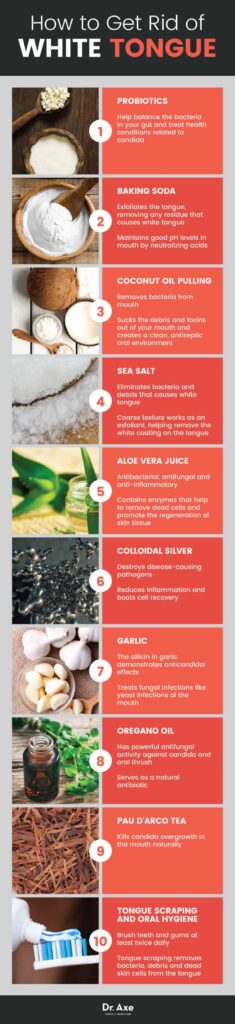
A white tongue can be a concerning symptom, especially if accompanied by other oral health issues. In this article, we’ll explore the possible causes of a white tongue, its symptoms, and natural remedies to help you get rid of it.
What is a White Tongue?
A white tongue, also known as leukoplakia, is a condition characterized by a thick, white coating on the surface of your tongue. This can be caused by various factors, including poor oral hygiene, digestive issues, or certain medical conditions.
Causes of a White Tongue
There are several possible causes of a white tongue, including:
- Digestive problems: Certain foods or medications can irritate the stomach and cause inflammation on the tongue.
- Inflammation of the taste buds: When the taste buds become inflamed, they can produce mucus that leads to a white coating on the tongue.
- Poor oral hygiene: Not brushing your teeth regularly or not cleaning between your teeth can lead to an accumulation of bacteria and food residues, causing a white tongue.
- Smoking or excessive consumption of alcoholic beverages: These habits can cause irritation to the mouth tissues, including the tongue.
- Low-fiber diet: A diet lacking in fiber can slow down digestion, leading to an overgrowth of bacteria that causes inflammation on the tongue.
- Irritation of the tongue: Chewing gum, eating spicy foods, or using a tongue scraper can irritate the tongue and cause a white coating.
- Side effects of certain medications: Some medications, such as antihistamines or antidepressants, can cause dry mouth or changes in taste, leading to a white tongue.
- Infections such as candidiasis or mumps: Certain infections can cause inflammation on the tongue, leading to a white coating.
- Gastrointestinal disorders: Conditions like irritable bowel syndrome (IBS) or gastroesophageal reflux disease (GERD) can cause digestive issues that lead to an overgrowth of bacteria on the tongue.
- Reflux gastroesophageal disease (GERD): GERD can cause stomach acid to flow up into the mouth, irritating the tongue and causing a white coating.
- Indigestion: Frequent heartburn or indigestion can lead to inflammation on the tongue, resulting in a white coating.
- Stress: Stress can cause changes in digestion and lead to an overgrowth of bacteria on the tongue.
- Transient fever: A temporary fever can cause inflammation on the tongue, leading to a white coating.
- Seasonal fatigue: Changes in climate or season can affect digestion, leading to an overgrowth of bacteria on the tongue.
- Dehydration: Not drinking enough water can cause dry mouth and changes in taste, leading to a white tongue.
If you wake up with a white tongue, it’s likely due to digestive issues. If you ate heavy or difficult-to-digest foods the previous night, your body may be producing toxins that are accumulating on your tongue.
White Tongue and Impacted Taste
A white tongue can also manifest as an “impasted” tongue when the mouth is dry. This is a symptom of dehydration that can occur from not enough water consumption or low fruit and vegetable intake.
If you’re experiencing a white tongue with bad breath, it’s time to give your oral cavity a more thorough cleaning. Practice gentle (use floss interdental) and meticulous brushing of the entire mouth and focus on removing food residues, dead cells, and bacteria that accumulate between the gums and along the surface of the tongue.
Ayurvedic Approach: The Nettlingua
In Ayurvedic medicine, a Netting Tongue is used to clean your tongue. You can buy one online for just €5.19! For more information on this product, visit the official website at Pulisci Lingua Comfort Clean.
The Nettlingua is designed to gently remove dead cells and bacteria from the surface of the tongue, leaving it feeling smooth and clean. It’s an effective way to maintain good oral hygiene and prevent the buildup of bacteria that can cause a white tongue.
Aftes: Tiny Bubbles on Your Tongue
Tiny bubbles on your tongue can be a sign of Aftes, an infection that causes inflammation. For natural remedies to treat Aftes, visit our dedicated page.
Aftes is a common condition that affects the mouth and throat, causing inflammation and discomfort. It’s essential to address Aftes quickly to prevent it from becoming a more serious issue.
Prevention Tips
To prevent a white tongue from forming again, maintain good oral hygiene by:
- Brushing your teeth at least twice a day with fluoride toothpaste
- Flossing daily between your teeth
- Cleaning between your teeth with interdental brushes or floss
- Avoiding smoking and excessive consumption of alcoholic beverages
- Eating a balanced diet rich in fiber and fruits and vegetables
- Staying hydrated by drinking plenty of water
Dietary Changes
Certain foods can contribute to the development of a white tongue. Make sure to:
- Eat a balanced diet that includes plenty of fruits, vegetables, whole grains, lean proteins, and healthy fats
- Avoid sugary or processed foods that can lead to inflammation in the mouth
- Incorporate probiotics into your diet to support gut health
Conclusion
A white tongue can be a symptom of various underlying conditions, but with proper oral hygiene and lifestyle changes, you can get rid of it naturally.
Remember to consult with a dentist or healthcare professional if you have persistent issues or concerns about your white tongue. They can help diagnose the underlying cause and develop an effective treatment plan.
Frequently Asked Questions (FAQs)
- What’s the most common cause of a white tongue?
The most common causes are digestive issues, poor oral hygiene, and inflammation of the taste buds. - Can I treat a white tongue with antibiotics?
No, antibiotics won’t cure a white tongue. It’s essential to address underlying conditions or take other measures to manage symptoms. - Is it normal for my tongue to be slightly yellowish?
Yes! A slight yellowish hue is normal. If your tongue turns completely white, it may indicate an issue. - Can I use a Netting Tongue on myself?
While there are products available, consult with a dentist or healthcare professional before using a Netting Tongue on yourself. - How can I prevent a white tongue from forming again?
Maintain good oral hygiene, eat a balanced diet rich in fiber and fruits and vegetables, stay hydrated, and avoid smoking or excessive alcohol consumption. - Is there any natural remedy to cure Aftes?
Yes, you can find natural remedies for Aftes on our dedicated page. - What should I do if my white tongue is accompanied by a sore throat?
If your white tongue is accompanied by a sore throat, it’s essential to consult with a healthcare professional to determine the underlying cause and develop an effective treatment plan. - How often should I practice good oral hygiene to prevent a white tongue?
Practice good oral hygiene daily and regularly clean between your teeth with interdental brushes or floss.
Remember to stay hydrated, maintain good oral hygiene, and avoid smoking and excessive consumption of alcoholic beverages to keep your mouth healthy and prevent the development of a white tongue.


