
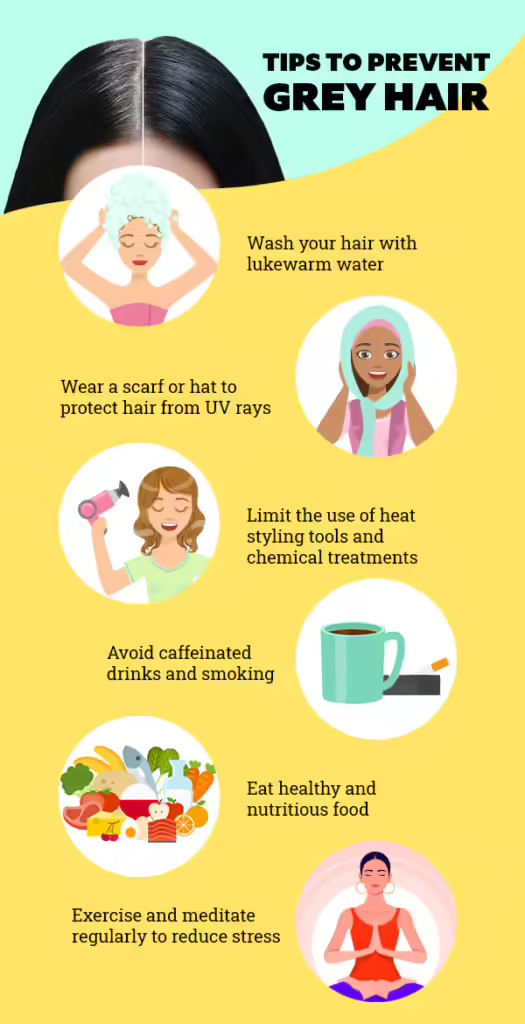
As we age, our hair becomes a telltale sign of time. While some people embrace their white locks as a symbol of wisdom and experience, others seek to cover them up with dye or other treatments. However, many of these commercial solutions come with harsh chemicals that can damage your hair and scalp. In this article, we’ll explore natural remedies for white hair, providing you with effective and healthy alternatives.
Understanding White Hair
It’s a fact: as we get older, our hair becomes whiter due to the reduction of melanin production in the hair follicles. While some people may view white hair as unattractive, it’s also a natural part of life. That being said, many individuals still seek to cover their white locks, often using chemical-based dyes that can cause damage and other issues.
The Risks of Chemical Dye
Commercial hair dye products are saturated with harsh chemicals that can have serious side effects on the skin and scalp. These include:
- Allergic reactions and sensitivity
- Toxicity (poisoning) from certain ingredients
- Damage to hair texture and structure
Some common chemical dyes used in commercial hair products contain:
- Parabens: Preservatives that can cause hormonal imbalances and breast cancer.
- Synthetic fragrances: Can trigger allergies and respiratory issues.
- Ammonia: A strong alkaline substance that can damage hair and scalp.
Natural Remedies for White Hair
Fortunately, there are many natural remedies available that can help you cover your white hair without using harsh chemicals. Here are some effective options:
Henna-Based Coloration
When it comes to natural coloration, henna is a popular choice. This plant-based dye is known for its ability to gently and naturally color hair, leaving it soft and healthy-looking. To use henna, simply mix the powder with water and apply it to your hair. Leave it on for 15-20 minutes before rinsing.
- Benefits of Henna: Improves hair quality, reduces frizz, and adds shine
- Where to Find Henna: Available at health food stores or online
Salvia-Based Treatment
If you’re looking for a natural treatment that can help cover white hair, salvia is an excellent option. This herb has been used for centuries to dye hair naturally. To use it, simply boil 400 ml of water with 1-2 tablespoons of dried salvia leaves. Leave the mixture on your hair for at least 40 minutes before rinsing.
- Benefits of Salvia: Enhances natural pigment, reduces graying, and promotes healthy hair growth
- Where to Find Salvia: Available at health food stores or online
Coffee and Cacao-Based Treatment
For a more ancient remedy, try using coffee and cacao together. This combination has been used for centuries to cover white hair naturally. To use it, simply mix equal parts of brewed coffee and melted cacao with milder. Leave the mixture on your hair for at least 1 hour before rinsing.
- Benefits of Coffee and Cacao: Enhances natural pigment, adds shine, and promotes healthy hair growth
- Where to Find Coffee and Cacao: Available at most grocery stores or online
Turmeric-Based Treatment
Another natural remedy that can help cover white hair is turmeric. This spice has been used for centuries in Ayurvedic medicine to dye hair naturally. To use it, simply boil 400 ml of water with 1 tablespoon of turmeric powder. Leave the mixture on your hair for at least 30 minutes before rinsing.
- Benefits of Turmeric: Enhances natural pigment, reduces graying, and promotes healthy hair growth
- Where to Find Turmeric: Available at most grocery stores or online
Amla-Based Treatment
For a more modern remedy, try using amla oil. This oil is extracted from the fruit of the Indian gooseberry plant and has been used for centuries to promote healthy hair growth. To use it, simply massage 1 tablespoon of amla oil into your scalp before applying any other natural treatments.
- Benefits of Amla: Enhances natural pigment, promotes healthy hair growth, and reduces graying
- Where to Find Amla Oil: Available at most health food stores or online
Conclusion
White hair can be a challenge, but it doesn’t have to mean using harsh chemicals. With these natural remedies, you can effectively cover your white locks without damaging your hair and scalp.
Frequently Asked Questions (FAQs)
- Q: Can I use henna on all hair types?
- A: Henna works best for dry or damaged hair. For oily hair, it may not be as effective.
- Q: How long does the salvia treatment take to work?
- A: The salvia treatment can start showing results within 1-2 weeks of use.
- Q: Can I use coffee and cacao on bleached hair?
- A: Coffee and cacao may not be as effective on bleached hair. It’s best to consult a professional for color correction.
- Q: Are these remedies safe for everyone?
- A: While natural remedies are generally safer than commercial dyes, it’s always a good idea to do a patch test before using any new treatment.
- Q: How often can I use these remedies?
- A: You can use these remedies as needed, but overusing them may lead to dryness and damage.
Additional Tips
Here are some additional tips to help you achieve healthy and beautiful hair:
- Use a sulfate-free shampoo: Sulfates can strip your hair of its natural oils, leading to dryness and damage.
- Use a wide-tooth comb: A wide-tooth comb is gentler on your hair than regular combs or brushes, which can cause breakage and tangles.
- Avoid heat styling: Heat styling can damage your hair and cause it to lose its natural shine. If you must use heat styling tools, be sure to use a heat protectant spray to help shield your hair from damage.
By following these tips and using natural remedies for white hair, you can achieve healthy and beautiful hair without damaging your locks.


