
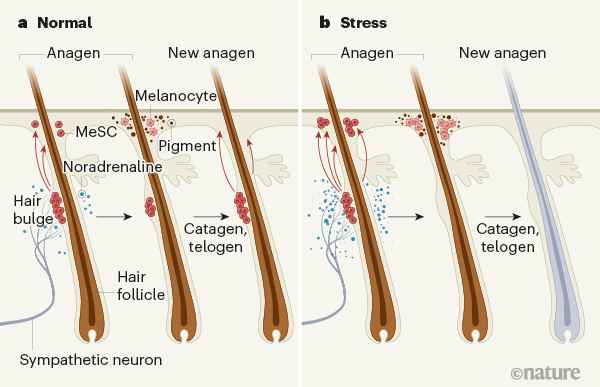
As we age, our hair turns gray, and in some cases, it can start to appear white as early as our 20s. But what’s behind this phenomenon? Is it a genetic condition or a sign of an underlying health issue? In this article, we’ll delve into the causes of premature canizie, also known as white hair, and explore the possible reasons why your locks may be turning gray before their time.
What is Premature Canizie?
Premature canizie refers to the appearance of white or gray hair at an unusually young age. While it’s common for people to start going gray in their 50s and 60s, some individuals may begin to notice white hairs as early as their 20s. This condition is not a disease, but rather a natural part of aging.
The Causes of White Hair
So, what causes our hair to turn white? The main culprit behind this phenomenon is the reduction in melanin production. Melanin is the pigment responsible for giving color to our hair, skin, and eyes. As we age, the cells that produce melanin, called melanocytes, gradually lose their ability to produce this essential pigment.
There are several factors that can contribute to a decrease in melanin production, including:
- Genetics: Some people may be born with a genetic predisposition to premature canizie.
- Aging: As we age, the number of melanocytes decreases, leading to a reduction in melanin production.
- Stress: Chronic stress can cause an increase in cortisol levels, which can lead to a decrease in melanin production.
- Vitamin deficiencies: Deficiencies in vitamins like B12 and vitamin D can affect melanin production.
Other Possible Causes
While genetics and aging are the main culprits behind premature canizie, there are other possible causes worth considering. These include:
- Hypothyroidism: An underactive thyroid gland can cause a decrease in melanin production.
- Malnutrition: A diet lacking essential nutrients can affect melanin production.
- Medications: Certain medications, such as antipsychotics and some antidepressants, can cause changes in skin pigmentation.
- Medical conditions: Certain medical conditions, like vitiligo and albinism, can also cause premature canizie.
Rimming White Hair
While there’s no guaranteed way to prevent premature canizie, there are some natural remedies that may help slow down the process. These include:
- Henna: Henna is a plant-based dye that can help cover gray hairs.
- Vitamin supplements: Taking vitamin B12 and other essential nutrient supplements may help support melanin production.
- Stress management: Engaging in stress-reducing activities, like yoga or meditation, may help alleviate the negative effects of chronic stress on melanin production.
Conclusion
Premature canizie is a natural part of aging, but it’s not inevitable. By understanding the causes behind this phenomenon and taking steps to support melanin production, you can help slow down the process of going gray. Whether you’re looking to cover up white hairs or simply want to maintain healthy, vibrant locks, there are many natural remedies available to help.
Frequently Asked Questions
- Can premature canizie be treated?
While there’s no cure for premature canizie, natural remedies like henna and vitamin supplements may help slow down the process. - Is premature canizie a sign of an underlying health issue?
In some cases, premature canizie can be a symptom of an underlying medical condition, such as hypothyroidism or vitiligo. If you’re concerned about your hair loss, consult with a healthcare professional to rule out any potential health issues. - Can stress cause white hair?
Yes, chronic stress can lead to a decrease in melanin production and contribute to premature canizie. - Is it possible to prevent premature canizie?
While there’s no guaranteed way to prevent premature canizie, maintaining a healthy diet, reducing stress, and getting regular exercise may help support melanin production. - Can I use permanent hair dye to cover up white hairs?
Yes, you can use permanent hair dye to cover up white hairs, but be sure to follow the instructions carefully and do a patch test before applying the dye to your entire head of hair. - Is premature canizie more common in men than women?
No, premature canizie is not more common in men than women. While it’s true that men tend to start going gray earlier than women, both sexes can experience premature canizie. - Can I use natural dyes to cover up white hairs?
Yes, you can use natural dyes like henna, indigo, and amla to cover up white hairs. These dyes are gentler on your hair than permanent hair dye and may be a good option for those with sensitive scalps or color-treated hair. - Is premature canizie contagious?
No, premature canizie is not contagious. It’s a natural part of aging that affects both men and women.
Preventing Premature Canizie: Tips and Tricks
While there’s no guaranteed way to prevent premature canizie, here are some tips and tricks that may help:
- Eat a balanced diet: A healthy diet rich in vitamins, minerals, and antioxidants can help support melanin production.
- Stay hydrated: Drinking plenty of water can help keep your hair and scalp healthy.
- Reduce stress: Engaging in stress-reducing activities, like yoga or meditation, may help alleviate the negative effects of chronic stress on melanin production.
- Get regular exercise: Regular exercise can help improve circulation and support overall health.
Conclusion
Premature canizie is a natural part of aging, but it’s not inevitable. By understanding the causes behind this phenomenon and taking steps to support melanin production, you can help slow down the process of going gray. Whether you’re looking to cover up white hairs or simply want to maintain healthy, vibrant locks, there are many natural remedies available to help.


