
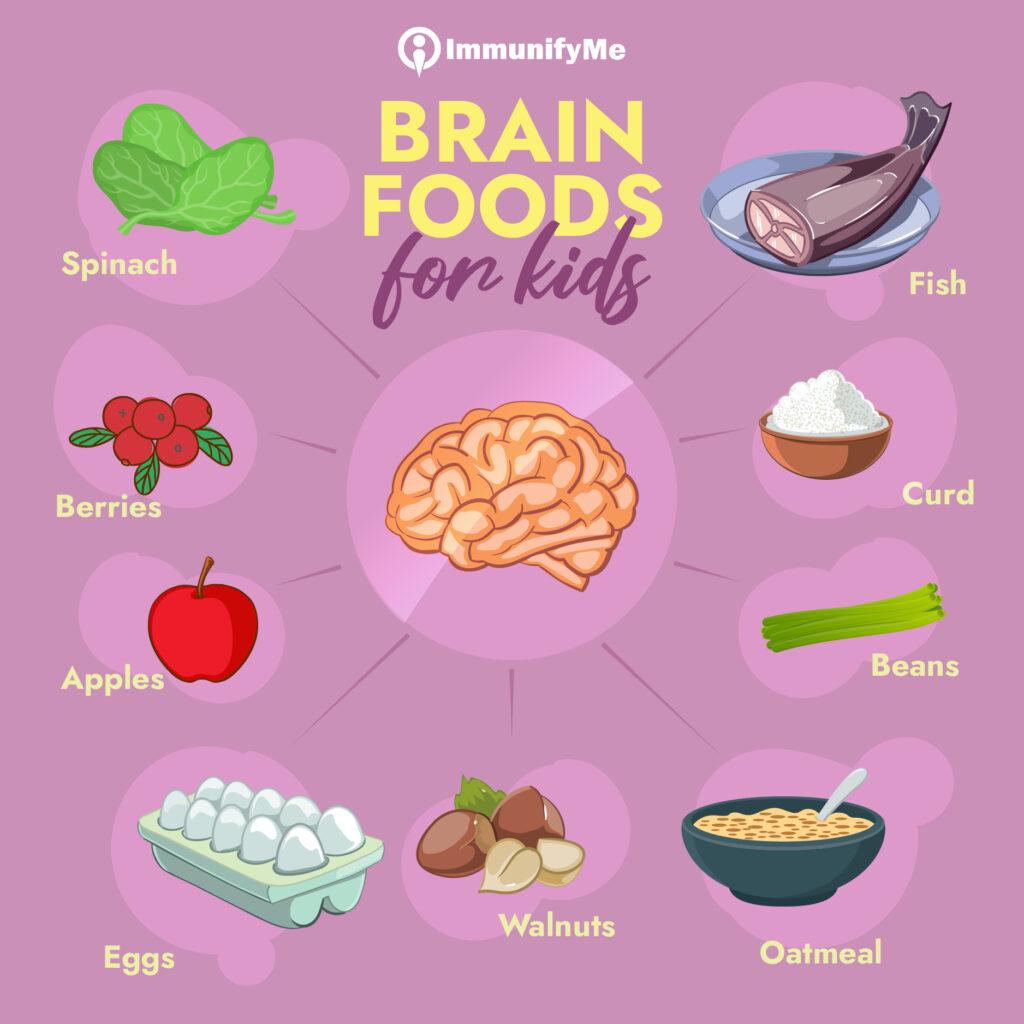
As a parent, it’s natural to want the best for your child. One way to ensure their success is by providing them with the right nutrition to support brain health and development. A well-balanced diet rich in essential nutrients can help prevent cognitive delays, improve focus, and boost overall mental performance.
The Importance of Nutrition for Brain Health
When it comes to a healthy brain, what matters most? It’s not just about cutting out junk food or sugary snacks. Rather, it’s about fueling your child’s body with the right foods to support optimal cognitive function. This means focusing on nutrient-dense foods that provide a steady supply of energy for their brains.
The Role of Zuccheri in Brain Health
Zuccheri (sugars) are often misunderstood when it comes to brain health. While they may seem like an instant energy source, not all sugars are created equal. The body needs glucose, a simple sugar that’s easily absorbed and utilized by the brain. Glucose is found in natural sources like whole grains, fruits, and vegetables. Avoiding processed foods and sugary snacks can help minimize the negative impact on brain health.
The Science Behind Brain Health
Research has shown that proper nutrition plays a crucial role in brain development and function. The brain is made up of billions of neurons, each requiring specific nutrients to function optimally. A diet rich in essential fatty acids, vitamins, and minerals supports healthy cell growth, maintains cognitive function, and reduces the risk of neurodegenerative diseases.
Foods that Support Brain Health
So, what foods should you feed your child to support their brain development? Here are some key recommendations:
1. Omega-3 Rich Foods
These essential fatty acids play a crucial role in brain function and development. Fish like salmon and sardines are rich in omega-3s, which can help reduce inflammation and improve cognitive performance. Eggs are another excellent source of omega-3s.
Why Omega-3 is Important for Brain Health
Omega-3 fatty acids have been shown to:
- Reduce symptoms of ADHD
- Improve memory and concentration
- Support healthy brain development
- Help manage anxiety and depression
2. Antioxidant-Rich Foods
Antioxidants protect the brain from oxidative stress, a major contributor to neurodegenerative diseases like Alzheimer’s and Parkinson’s. Spices like curry have potent antioxidant properties that can help prevent damage to brain cells. Green tea is also high in antioxidants, making it an excellent choice for children.
Why Antioxidants are Important for Brain Health
Antioxidants have been shown to:
- Reduce oxidative stress
- Prevent cell damage
- Support healthy aging
- Help manage chronic diseases like diabetes and hypertension
3. Brain-Friendly Fruits
Fruits like kiwi, blueberries, and strawberries are rich in antioxidants and fiber, which support healthy digestion and cognitive function. The potassium content in bananas can help maintain healthy blood pressure, reducing the risk of stroke and other cardiovascular conditions.
Why Fruit is Important for Brain Health
Fruit has been shown to:
- Support healthy gut bacteria
- Provide essential vitamins and minerals
- Reduce inflammation
- Help manage chronic diseases like obesity and diabetes
4. Leafy Greens for Cognitive Function
Leafy greens like spinach, kale, and broccoli contain a wealth of vitamins and minerals that support brain health. They’re also rich in antioxidants and fiber, making them an excellent addition to your child’s diet.
Why Leafy Greens are Important for Brain Health
Leafy greens have been shown to:
- Support healthy cognitive function
- Provide essential vitamins and minerals
- Reduce inflammation
- Help manage chronic diseases like hypertension and diabetes
5. Healthy Snacks for Brain Power
Healthy snacks can help keep your child focused and energized throughout the day. Try incorporating foods like nuts, seeds, and dried fruits into their diet.
Why Snacking is Important for Brain Health
Snacking has been shown to:
- Provide a quick energy boost
- Support healthy weight management
- Reduce hunger and cravings
- Help manage chronic diseases like diabetes and hypertension
Conclusion
A well-balanced diet rich in essential nutrients is crucial for supporting brain health and development in children. By focusing on nutrient-dense foods like omega-3 rich fish, antioxidant-rich spices, and brain-friendly fruits, you can help your child unlock their full potential. Remember to limit sugary snacks and processed foods, which can have negative impacts on cognitive function.
Frequently Asked Questions
- What are the best foods for brain health in children?
The best foods for brain health in children include omega-3 rich fish, antioxidant-rich spices like curry, leafy greens like spinach and broccoli, and brain-friendly fruits like kiwi and blueberries.
2. Can sugary snacks harm my child’s brain development?
Yes, sugary snacks can have negative impacts on cognitive function and brain development. Limiting or avoiding sugary snacks is essential for supporting a healthy brain.
3. How much omega-3 should I give my child?
The American Heart Association recommends 250-500 mg of omega-3 per day for children aged 2-18 years. Consult with your pediatrician to determine the best amount for your child’s individual needs.
4. What is the difference between omega-6 and omega-3 fatty acids?
Omega-6 fatty acids are found in vegetable oils like corn, soybean, and sunflower oil. Omega-3 fatty acids are found in fish, nuts, and seeds. While both are essential for brain health, a balanced ratio of 2:1 or 4:1 (omega-6 to omega-3) is recommended.
5. Can I use supplements to support my child’s brain health?
While some supplements like omega-3 fatty acids can be beneficial, always consult with your pediatrician before giving any supplements to your child. A well-balanced diet and healthy lifestyle are still the best way to support brain health.
By following these recommendations and incorporating brain-friendly foods into their diet, you can help your child unlock their full potential and support lifelong cognitive health.


