
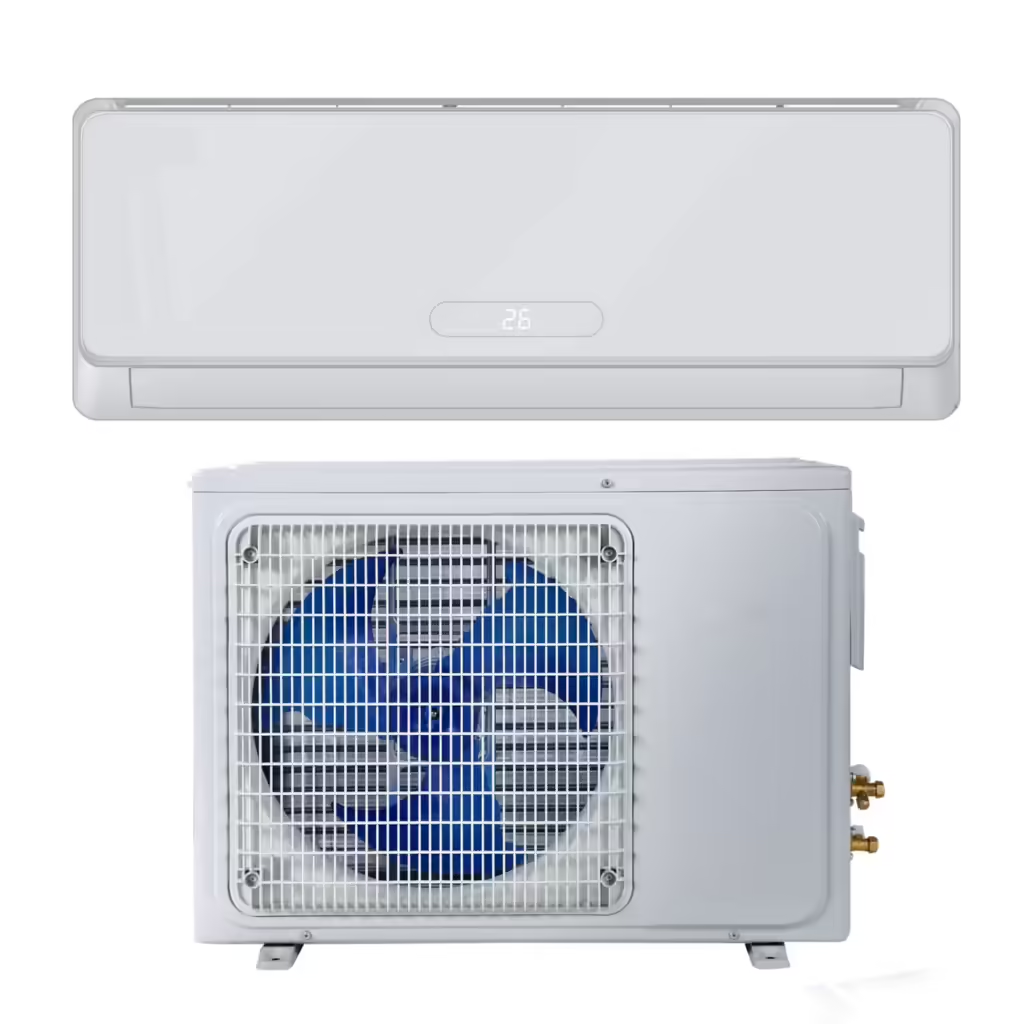
As summer approaches, many of us find ourselves wondering which air conditioner to buy. In this article, we’ll explore the key factors to consider when selecting an air conditioner, with a focus on energy efficiency.
The Importance of Energy Efficiency in Air Conditioning
When it comes to choosing an air conditioner, energy efficiency is not just an environmental consideration; it’s also crucial for your wallet. Did you know that in 2011 alone, 34 billion tons of CO2 were released into the atmosphere? The impact of inefficient appliances like air conditioners on the environment cannot be ignored.
Understanding Energy Efficiency Labels
As of January 2013, a new European directive came into effect, making energy efficiency labels mandatory for all air conditioners. This means that it’s no longer possible to buy an air conditioner without one. If you’re considering purchasing an old model without an energy label, we strongly advise against it, as they are considered obsolete and too energy-hungry.
What to Look for in an Air Conditioner
So, what makes a good air conditioner? The answer lies in the efficiency of its class. The European Union has introduced a classification system, which rates air conditioners from A (most efficient) to G (least efficient). If you decide to buy an air conditioner with a lower rating (D, C, or B), be prepared for higher energy bills.
The Benefits of High-Efficiency Air Conditioners
While high-efficiency air conditioners may seem like a luxury, they offer several benefits. Not only do they consume less energy, but they also provide a significant return on investment in the long run. In fact, studies have shown that high-efficiency air conditioners can save you up to 50% on your energy bills!
Top-Rated Air Conditioner Models
So, which models of air conditioners are the most efficient? Some top-rated options include the Panasonic Etherea 2013 line. This range features optimized air purification systems, meets the latest European efficiency standards, and is easy to install.
The Cost of Inefficiency
It’s not just about energy efficiency; it’s also about the long-term cost savings. Consider this: over a period of ten years, the cost of running an inefficient air conditioner can add up to £1,580 or more!
Conclusion
Choosing the right air conditioner is crucial for both your wallet and the environment. By understanding energy efficiency labels and opting for high-efficiency models, you can enjoy significant savings on your energy bills while reducing your carbon footprint.
Frequently Asked Questions
Q: What is the difference between COP and EER?
A: COP (Coefficient of Performance) measures an air conditioner’s ability to remove heat from a room. EER (Energy Efficiency Ratio) measures its energy efficiency.
Q: Why are high-efficiency air conditioners more expensive?
A: High-efficiency air conditioners use advanced technologies, such as inverter-driven compressors, which increase their upfront cost but provide long-term savings on energy bills.
Q: What is the minimum energy rating for a new air conditioner in the EU?
A: As of January 2013, the minimum energy rating for all air conditioners sold in the EU is A+++.
Q: Can I still buy old models without an energy label?
A: We strongly advise against buying old models without an energy label. They are considered obsolete and too energy-hungry.
Q: How can I save money on my energy bills with an efficient air conditioner?
A: High-efficiency air conditioners can save you up to 50% on your energy bills in the long run, making them a worthwhile investment for your wallet.
Q: Are all high-efficiency air conditioners created equal?
A: No, not all high-efficiency air conditioners are created equal. Look for models with optimized air purification systems and advanced technologies like inverter-driven compressors.
Q: Can I install an air conditioner myself?
A: It’s recommended to hire a professional to install an air conditioner, as improper installation can lead to safety issues and reduce the unit’s efficiency.
Q: How often should I clean my air conditioner?
A: Regular cleaning of your air conditioner is essential for maintaining its efficiency. Check your user manual for guidance on how often to clean and maintain your specific model.
Q: Can I use an air conditioner in winter too?
A: Yes, some air conditioners are designed to be used year-round. Look for models with dual-functionality or reversible compressors for optimal performance during both summer and winter months.
Q: How can I extend the lifespan of my air conditioner?
A: Regular maintenance, proper installation, and cleaning can help extend the lifespan of your air conditioner.
Air Conditioner Types: A Guide
There are several types of air conditioners available in the market, each with its own unique features and benefits. Here’s a brief overview of some popular types:
- Window Unit Air Conditioner: These air conditioners are designed to be installed directly into a window, providing a convenient and space-saving solution for small rooms.
- Split System Air Conditioner: This type of air conditioner consists of an indoor unit connected to an outdoor unit through a refrigerant line. They offer better performance and efficiency compared to traditional window units.
- Central Air Conditioning: Central air conditioning systems involve installing the air conditioner in your home’s ductwork, providing cooling for multiple rooms and floors.
Energy Efficiency Features to Look for
When shopping for an air conditioner, there are several features that can help improve its energy efficiency:
- Inverter Technology: Inverter-driven compressors use advanced technology to adjust compressor speed according to cooling demand.
- High-Efficiency Fans: High-efficiency fans reduce airflow resistance and increase the overall efficiency of the air conditioner.
- Air Purification Systems: Integrated air purification systems can help remove dust, pollen, and other airborne particles from the air.
Conclusion
Choosing the right air conditioner is a crucial decision that can impact your energy bills and environmental footprint. By understanding the benefits of high-efficiency models, top-rated features to look for, and the cost of inefficiency, you can make an informed decision that suits your needs and budget.
In this article, we’ve explored the key factors to consider when selecting an air conditioner with a focus on energy efficiency. From understanding energy efficiency labels to looking for features like inverter technology and high-efficiency fans, we’ve covered it all. Whether you’re shopping for a window unit or a central system, our guide will help you make the best decision for your home.
So, what are you waiting for? Start exploring the world of air conditioning today and discover how you can save money, reduce your carbon footprint, and enjoy a cooler, more comfortable living space!


