
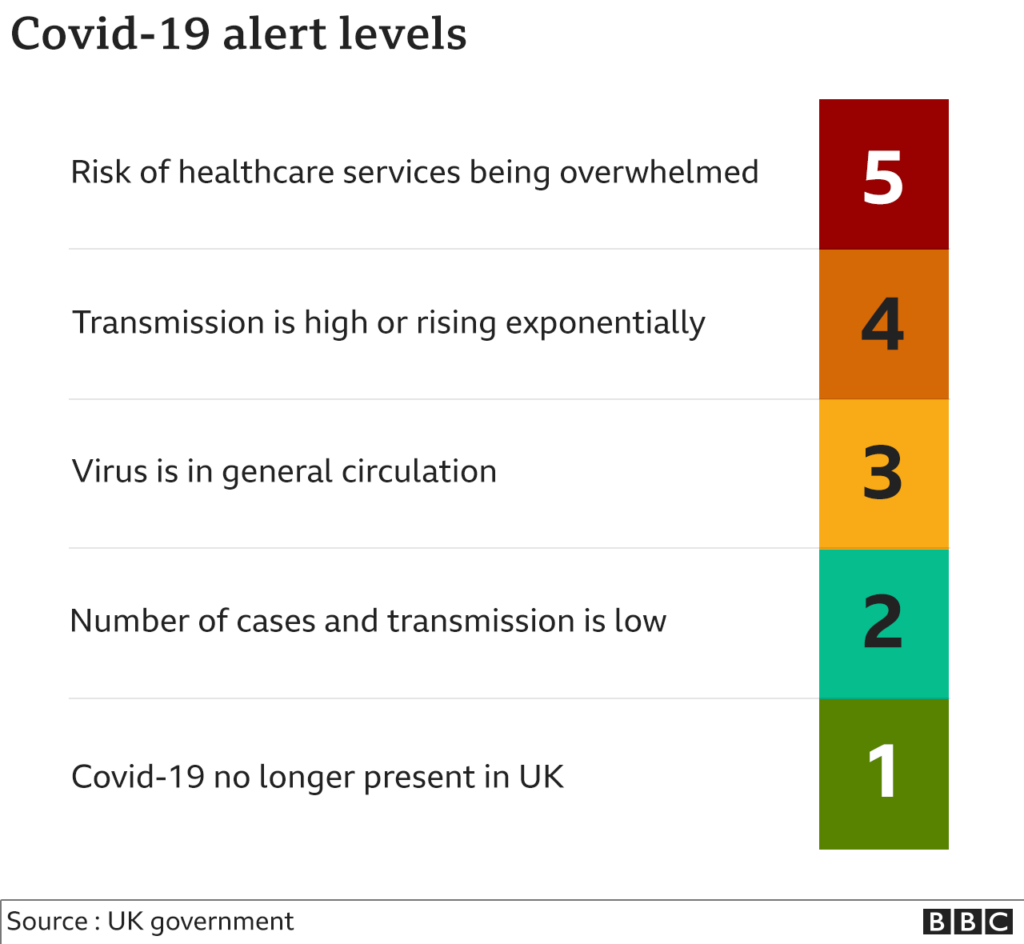
As we navigate the ever-changing landscape of the COVID-19 pandemic, it’s essential to stay informed about the latest developments and statistics. However, with so much misinformation circulating online, it can be challenging to discern fact from fiction. In this article, we’ll explore how to read reliable numbers during this critical time and provide guidance on where to find trustworthy information.
Understanding the Importance of Accurate Information
The COVID-19 pandemic has exposed our collective fragility, not just physically but also mentally. As we face unprecedented challenges, it’s crucial to prioritize accurate information to make informed decisions about our health, well-being, and daily lives. The spread of misinformation can have severe consequences, including spreading fear, anxiety, and confusion.
Where to Find Reliable Numbers
So, where can you find reliable numbers on the COVID-19 pandemic? Here are some trusted sources:
- Epidemiological Portal (Epicentro): Run by the Italian National Institute of Health (ISAN), this portal provides daily updates on COVID-19 cases and deaths.
- World Health Organization (WHO) Platform: The WHO platform offers a wealth of information on COVID-19, including statistics, guidelines, and research findings.
- Centers for Disease Control and Prevention (CDC): The CDC website is an invaluable resource for staying up-to-date on the latest developments in the pandemic.
Critical Thinking: How to Avoid Misinformation
To effectively navigate the vast amount of information available, it’s essential to develop critical thinking skills. Here are some tips:
- Verify sources: Always check the credibility and reliability of the source before sharing or consuming information.
- Be cautious of sensational headlines: Sensationalized headlines can be misleading and may not accurately reflect the content of the article.
- Look for corroboration: Seek out multiple sources to confirm information, rather than relying on a single source.
Busting Common Misconceptions
There are several misconceptions surrounding COVID-19 that have been circulating online. Here are some common myths and their corresponding facts:
- Myth: Wearing masks will increase the risk of infection.
- Fact: Proper mask-wearing can reduce the transmission of COVID-19 by preventing respiratory droplets from reaching the face.
Staying Informed, Not Overwhelmed
The COVID-19 pandemic is a complex and rapidly evolving situation. It’s essential to strike a balance between staying informed and avoiding information overload. Here are some tips for managing your daily news intake:
- Limit social media exposure: Follow trusted sources and avoid engaging with sensationalized or misleading content on social media.
- Set aside dedicated time for news consumption: Allocate specific times of the day or week to stay up-to-date on the latest developments.
Conclusion
The COVID-19 pandemic is a challenging time, but by prioritizing accurate information and staying informed, we can navigate this crisis with confidence. Remember to verify sources, be cautious of sensationalized headlines, and look for corroboration before sharing or consuming information. By working together, we can create a safer, healthier world for everyone.
Frequently Asked Questions
- Q: What are some reliable sources for COVID-19 statistics?
- A: The WHO platform, Epidemiological Portal (Epicentro), and Centers for Disease Control and Prevention (CDC) offer trustworthy information on COVID-19 cases and deaths.
- Q: How can I avoid misinformation about COVID-19?
- A: Verify sources, be cautious of sensationalized headlines, and look for corroboration before sharing or consuming information.
- Q: What are some common misconceptions surrounding COVID-19?
- A: Common myths include the notion that wearing masks will increase the risk of infection, which is not supported by scientific evidence.
- Q: How can I manage my daily news intake during the pandemic?
- A: Limit social media exposure, set aside dedicated time for news consumption, and prioritize trusted sources to avoid information overload.
- Q: What are some tips for staying informed about COVID-19 without feeling overwhelmed?
- A: Focus on verifying sources, being cautious of sensationalized headlines, and looking for corroboration before sharing or consuming information.
- Q: How can I stay safe during the pandemic?
- A: Follow public health guidelines, wear a mask when necessary, practice social distancing, and prioritize hand hygiene to reduce the risk of transmission.
By staying informed, critical, and cautious, we can navigate this challenging time with confidence and create a safer, healthier world for everyone.


