
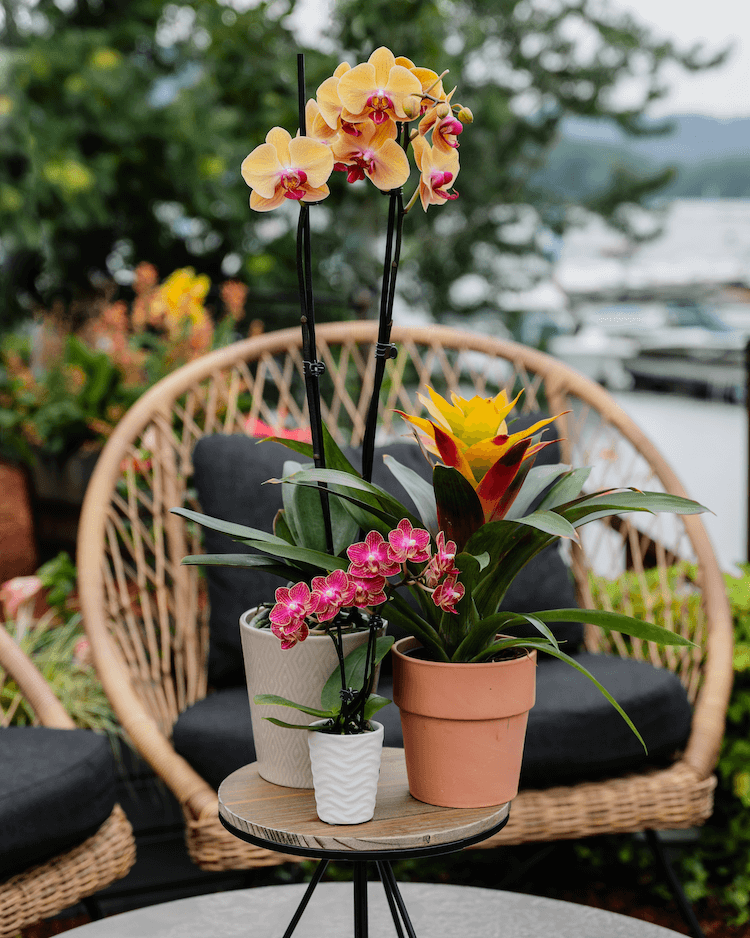
As the summer months approach, many of us wonder how to best care for our orchid plants. With the heat and humidity that come with this season, it’s essential to provide your orchids with the right conditions to thrive. In this article, we’ll explore the best practices for caring for orchids in summer, including when to bring them indoors or outdoors, how to water and fertilize them, and how to prevent common diseases.
Should You Bring Your Orchid Indoors or Outdoors in Summer?
While some orchid species can tolerate outdoor conditions during the summer, others are more delicate and should be brought indoors. If you’re unsure which type of orchid your plant is, it’s always best to err on the side of caution and bring it inside.
Orchids like Phalaenopsis and Cymbidium are often recommended for indoor care, while Dendrobium and Cattleya prefer to be kept indoors during the summer months. However, some species like Dendrobium can tolerate outdoor conditions when the temperature is consistently above 14°C (57°F).
Where Should You Place Your Orchid in Summer?
When it comes to placing your orchid in the summer, it’s essential to provide it with the right amount of light and shade. In general, orchids prefer bright, indirect light, but can be sensitive to direct sunlight.
If you’re keeping your orchid indoors, choose a spot that receives filtered or dappled light. East- or west-facing windows are ideal for orchids, as they receive gentle, indirect light. Avoid placing your orchid in front of south-facing windows, which can cause overheating and sunburn.
If you’re keeping your orchid outdoors, make sure it’s placed in a shaded area, such as under a tree or a gazebo. This will help prevent scorching from direct sunlight and reduce the risk of fungal diseases.
How to Water Your Orchid in Summer
Watering is an essential part of caring for orchids, especially during the summer months when the plant is actively growing. However, overwatering can be just as detrimental as underwatering, so it’s crucial to get it right.
In general, orchids prefer to dry out slightly between waterings. Overwatering can cause roots to rot and lead to fungal diseases. If you’re unsure how often to water your orchid, start by allowing the top inch of soil to dry out before watering again.
How to Fertilize Your Orchid in Summer
Fertilizing is another important aspect of caring for orchids, especially during the summer months when the plant is actively growing. Choose a balanced fertilizer that contains equal parts nitrogen, phosphorus, and potassium (N-P-K).
Apply the fertilizer according to the manufacturer’s instructions, usually once a month. You can also use a liquid fertilizer or a slow-release fertilizer, depending on your preference.
Common Diseases to Watch Out For in Summer
Summer is a prime time for fungal diseases in orchids, so it’s essential to monitor your plants closely for signs of infection. Some common diseases to watch out for include:
- Fungal infections: These can cause brown or black spots on the leaves and stems.
- Root rot: This occurs when the roots are overwatered and begin to decay.
- Leaf drop: If the leaves are dropping off, it may be a sign of a fungal infection.
Tips for Preventing Common Diseases in Summer
Preventing common diseases is always easier than treating them once they occur. Here are some tips for preventing fungal diseases and other issues:
- Use good air circulation: This will help prevent moisture from accumulating on the leaves and stems.
- Avoid overwatering: Make sure to dry out the soil between waterings to reduce the risk of root rot.
- Provide good humidity: Orchids prefer a humid environment, but excessive humidity can lead to fungal diseases.
- Inspect your plants regularly: Catch any signs of infection or disease early, and treat promptly.
Conclusion
Caring for orchids in summer requires attention to detail and a understanding of the plant’s needs. By following these tips and best practices, you can help ensure that your orchid thrives during the hot summer months. Remember to monitor your plants closely for signs of infection or disease, and take action promptly if necessary.
Frequently Asked Questions
- Q: How often should I water my orchid in the summer?
A: Allow the top inch of soil to dry out between waterings. - Q: Can I fertilize my orchid in the summer?
A: Yes, use a balanced fertilizer according to the manufacturer’s instructions. - Q: What are some common diseases that affect orchids in summer?
A: Fungal infections, root rot, and leaf drop are all potential issues. - Q: How can I prevent fungal diseases from affecting my orchid?
A: Use good air circulation, avoid overwatering, provide good humidity, and inspect your plants regularly. - Q: Can I grow orchids in a greenhouse?
A: Yes, but make sure to follow proper ventilation and temperature control guidelines. - Q: How can I propagate an orchid?
A: There are several methods, including division, seed, and tissue culture.
Additional Tips for Caring for Orchids in Summer
- Monitor the temperature: Keep your orchid away from direct sunlight and extreme temperatures. Most orchids prefer daytime temperatures between 65-75°F (18-24°C) and nighttime temperatures around 55-65°F (13-18°C).
- Use a humidifier: Orchids thrive in humid environments, typically between 40-70% relative humidity. Consider using a humidifier to maintain the right level of moisture.
- Avoid over-fertilizing: Fertilize your orchid sparingly during the summer months, as excessive fertilization can cause more harm than good.
- Watch for pests: Summer is a prime time for pests like mealybugs and spider mites. Inspect your plants regularly and treat promptly if necessary.
By following these tips and best practices, you can help ensure that your orchid thrives during the hot summer months. Remember to monitor your plants closely for signs of infection or disease, and take action promptly if necessary. With proper care and attention, your orchid will continue to bloom beautifully all year round.


