
Mushroom hunting is an exciting adventure that combines nature, exploration, and the thrill of discovery. Whether you’re a seasoned mushroom hunter or just starting out, finding the right places to search can make all the difference between a successful harvest and a disappointing one. In this comprehensive guide, we’ll show you where to go mushroom hunting in your region, share expert tips for collecting mushrooms, and provide guidance on how to identify different species.
Understanding Mushroom Hunting Regulations
Before we dive into the nitty-gritty of wild mushroom hunting, it’s essential to cover the basics: is it legal to pick mushrooms? In most regions of Italy, including the countryside, forests, and mountains, it is perfectly fine to forage for wild mushrooms. However, there are some exceptions worth noting.
Special Fees in Certain Regions
In specific regions like Piemonte, Liguria, and Lombardia, you may need to pay a small fee (called a “tributo”) before collecting mushrooms. This fee is usually around 30 euros per year and needs to be paid annually. These fees support conservation efforts and help maintain the health of local ecosystems.
Regional Mushroom Hunting Spots
Let’s take a closer look at some of the best places to go mushroom hunting in various regions:
- Trentino-Alto Adige: This region is renowned for its stunning natural beauty, and its Altopiano della Paganella (Trento) and Lake Molveno area offer excellent opportunities for picking mushrooms like Prataioli, Mazze di Tamburo, Gallinacci, and Porcini.
- Campania: With its picturesque countryside, mountains, and coastline, Campania is a haven for mushroom hunters. Popular spots include the Salernitano countryside, Casertano, Lago Laceno, Avellino, and the Amalfi Coast (Naples).
- Emilia Romagna: This region has a dedicated road network for mushroom hunting, starting from Val Taro, joining with Val Baganza, and Val Ceno, then heading south.
- Calabria: The Sila mountains are home to over 3,000 different species of mushrooms. Mazze di Tamburo and Lactarius delicius are two of the most commonly found varieties.
- Sardinia: The Gallura region boasts plenty of forests to explore for mushrooms like Porcini, Chiodini, and Ramarie.
- Marche: With its rolling hills, mountains, and picturesque countryside, Marche is an excellent destination for mushroom hunters. Popular spots include Monte Nerone (Urbino), Monte Catria, Monte Acuto, and the Park della Gola della Rossa.
Tips for Collecting Mushrooms
Now that we’ve covered some of the best places to go mushroom hunting, let’s focus on how to collect them successfully:
- Handle with care: Never use sharp objects like knives or scissors. Instead, use a gentle rotation of the mushroom stem while carefully pulling it towards you.
- Preserve the mycelium: Make sure not to damage the mycelium (the underground network of fungal cells) when picking mushrooms.
- Transport responsibly: Don’t transport mushrooms in airtight containers or bags. Use open baskets or cloth bags instead.
How to Identify Mushrooms
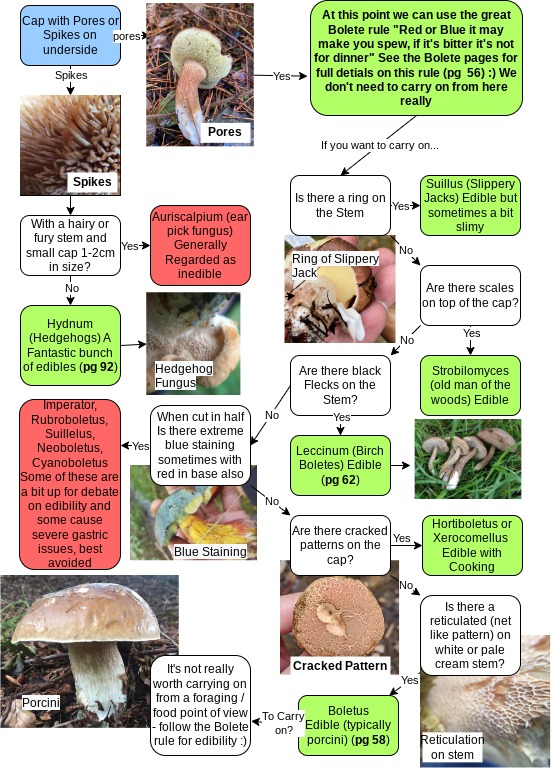
Identifying wild mushrooms can be a challenging task, especially for beginners. However, with the right guidance and resources, you can develop your skills and become more confident in your ability to recognize different species. Here are some recommended books and resources:
- “Tutto funghi” (All Fungi): A comprehensive guide featuring 200 illustrated pages, photos, and comparisons between poisonous and edible mushrooms.
- “Guida completa al riconoscimento dei funghi” (Complete Guide to Mushroom Identification): A detailed book with illustrations, tables, and a DVD providing practical tips for identifying and collecting mushrooms.
Mushroom Hunting Safety
As with any outdoor activity, mushroom hunting carries some risks. Always prioritize your safety by:
- Seeking guidance: Join a guided mushroom hunt or consult with an expert to ensure your safety while collecting edible mushrooms.
- Researching local regulations: Familiarize yourself with local laws and restrictions on mushroom hunting in the area you plan to visit.
Additional Resources
If you’re interested in learning more about wild mushroom hunting, here are some additional resources to check out:
- The Mycological Society of America (MSA): A non-profit organization dedicated to promoting the study of fungi and providing resources for mushroom enthusiasts.
- The International Association of Mycologists (IAM): A global organization that aims to advance the understanding of fungal biology and provide support for mycological research.
Conclusion
Wild mushroom hunting is a thrilling adventure that requires careful planning, attention to detail, and a deep respect for nature. By following these guidelines and tips, you’ll be well on your way to becoming a skilled mushroom hunter. Remember to always prioritize your safety, handle mushrooms with care, and never transport them in airtight containers or bags.
Frequently Asked Questions
- Q: Can I collect mushrooms anywhere?
A: No, there may be local regulations or protected areas where mushroom collecting is not allowed. - Q: How do I identify poisonous mushrooms?
A: Consult with an expert or use trusted field guides to learn how to recognize poisonous species. - Q: Can I grow my own mushrooms at home?
A: Yes, there are many resources available for growing your own mushrooms at home. -
Q: How do I store and preserve mushrooms?
A: Follow proper storage procedures to maintain the quality and freshness of your mushroom collection. -
Q: Can children go mushroom hunting with me?
A: While it’s possible, some areas may be restricted or require adult supervision due to safety concerns. -
Q: How do I avoid common mistakes when foraging for wild mushrooms?
A: Be aware of local regulations, and always prioritize your safety by seeking guidance from experts. -
Q: Can I sell my mushroom collection?
A: Check local regulations regarding the sale of wild mushrooms.


