
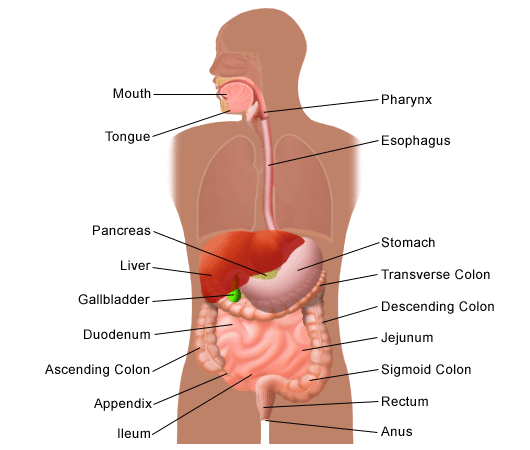
What is the Liver?
The liver is a vital organ located in the upper right side of the abdomen, roughly the size of a soccer ball. It plays a crucial role in digestion and detoxification, making it an essential part of our overall health.
Understanding Liver Problems
When we experience abdominal pain or discomfort, we often wonder if it’s related to liver issues. The good news is that many liver problems can be identified and treated with the help of a medical professional.
In this article, we’ll delve into the world of livers, exploring what they do, common symptoms, causes, complications, and more.
What Does the Liver Do?
The liver performs multiple vital functions, including:
- Digesting nutrients from food: The liver helps to break down proteins, carbohydrates, and fats into smaller molecules that can be absorbed by the body.
- Filtering toxins from the bloodstream: The liver acts as a filter, removing harmful substances like alcohol, drugs, and pollutants from the blood before they can cause damage to other organs.
- Producing bile: The liver produces bile, a digestive fluid that helps to break down fats and absorb fat-soluble vitamins in the small intestine.
- Storing glycogen for energy storage: The liver stores glycogen, a complex carbohydrate that can be converted into glucose when the body needs it.
When the liver is damaged or diseased, it can lead to a range of problems.
Common Symptoms of Liver Problems
Some common symptoms of liver issues include:
- Yellowing of skin and eyes (jaundice): This occurs when bilirubin builds up in the blood and causes a yellowish discoloration of the skin and eyes.
- Abdominal pain and swelling: The liver is located in the upper right side of the abdomen, so pain or swelling in this area can be a sign of liver problems.
- Fatigue and weakness: A failing liver can lead to fatigue, weakness, and loss of appetite.
- Nausea and vomiting: Liver disease can cause nausea and vomiting, especially after eating.
- Loss of appetite: As the liver becomes damaged, it may become less effective at breaking down nutrients, leading to a decrease in appetite.
If you’re experiencing any of these symptoms, it’s essential to consult with a medical professional.
Causes of Liver Problems
Liver problems can be caused by various factors, including:
- Viral infections (such as hepatitis): Viral hepatitis is a common cause of liver disease.
- Genetic disorders: Some genetic conditions, such as Wilson’s disease and hemochromatosis, can affect the liver.
- Autoimmune diseases: Autoimmune diseases like primary biliary cholangitis and autoimmune hepatitis can damage the liver.
- Environmental toxins: Exposure to certain chemicals, such as aflatoxins and pesticides, can harm the liver.
- Obesity and diet: A diet high in fat, sugar, and salt can contribute to fatty liver disease.
Some common causes of liver disease include:
- Hepatitis A, B, and C: These viral infections are commonly transmitted through blood, semen, and other bodily fluids.
- Non-alcoholic fatty liver disease (NAFLD): This condition occurs when fat builds up in the liver of people who drink little or no alcohol.
- Alcoholic liver disease: Drinking too much alcohol can cause damage to the liver.
- Cirrhosis: Scarring and inflammation of the liver, often caused by long-term alcohol abuse or viral hepatitis.
Complications of Liver Problems
Untreated liver problems can lead to severe complications, including:
- Insufficiency of the liver’s detoxification function: If the liver is damaged, it may not be able to remove toxins from the blood efficiently.
- Scarring and cirrhosis: Chronic inflammation and scarring of the liver can lead to cirrhosis, a condition in which the liver becomes scarred and its ability to function is impaired.
- Cancer: In rare cases, liver cancer can develop as a result of chronic liver disease.
If you’re experiencing any symptoms or concerns about your liver health, it’s crucial to consult with a medical professional.
Conclusion
The liver is a vital organ that plays a crucial role in our overall health. Understanding its functions, symptoms, causes, and complications can help us take proactive steps to maintain liver health.
Remember, if you’re experiencing any symptoms or concerns about your liver health, don’t hesitate to consult with a medical professional.
Frequently Asked Questions (FAQs)
Q: What is the most common cause of liver disease?
A: The most common causes of liver disease include viral infections, such as hepatitis, and non-alcoholic fatty liver disease (NAFLD).
Q: Can I prevent liver problems by making lifestyle changes?
A: Yes, maintaining a healthy diet, exercising regularly, and avoiding excessive alcohol consumption can help reduce the risk of liver problems.
Q: How often should I get my liver checked?
A: If you have a family history of liver disease or are at high risk due to certain medical conditions or behaviors, consult with your doctor about regular liver screenings.
Q: Can I treat liver problems on my own without seeing a doctor?
A: No, it’s recommended to consult with a medical professional for proper diagnosis and treatment. They can recommend the best course of action based on individual circumstances.
Q: Are there any dietary changes that can help support liver health?
A: Eating a balanced diet rich in fruits, vegetables, whole grains, and lean proteins can help support liver health. Avoiding excessive sugar, salt, and unhealthy fats is also recommended.
Q: Can I reduce my risk of liver disease by avoiding certain substances?
A: Yes, avoiding exposure to harmful substances like aflatoxins, pesticides, and other environmental toxins can help reduce the risk of liver disease.
Q: Are there any medications that can help treat liver problems?
A: Yes, medications such as antiviral drugs, immunosuppressants, and medications for pain management may be prescribed by a doctor to treat liver problems.


