
As we navigate the complexities of modern life, our immune systems are constantly faced with new challenges. One molecule that plays a crucial role in protecting us from infection is lactoferrin. In this article, we’ll delve into the world of lactoferrin, exploring what it is, its functions, and how it can benefit our health.
What is Lactoferrin?
Lactoferrin is a small protein found in high concentrations in colostrum, the first milk produced by the mammary gland after birth. This protein has been shown to possess antibacterial, antiviral, and antifungal properties, making it an essential component of our immune system.
A Brief History
Lactoferrin’s role as a guardian of our health dates back to ancient times. In the 19th century, it was discovered that colostrum had unique properties that could protect newborns from infections. Fast-forward to the present day, and we know that lactoferrin plays a vital role in regulating iron absorption, modulating the immune response, and preventing the spread of diseases.
What Does Lactoferrin Do?
So, what exactly does lactoferrin do?
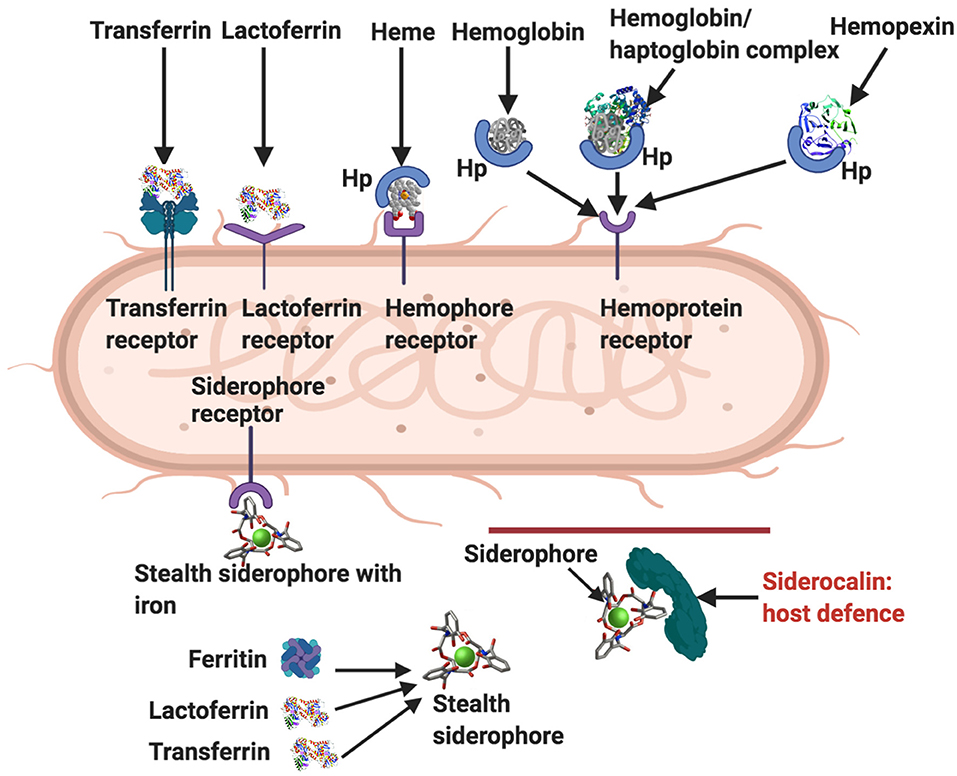
- Traps Iron: Lactoferrin binds to iron, making it unavailable for pathogens like bacteria and viruses.
- Boosts Immunity: By regulating the immune response, lactoferrin helps prevent overactive or underactive immune responses, reducing inflammation and promoting healing.
- Antitumor Properties: Research has shown that lactoferrin exhibits antitumor activity, inhibiting cancer cell growth and proliferation.
Where is Lactoferrin Found?
Lactoferrin is not just limited to colostrum and milk. It’s also present in other bodily fluids, including:
- Lacrimal Secretions: The tears that help keep our eyes moist and clean.
- Saliva: The fluid that helps us digest food and maintain oral health.
- Vaginal Secretions: The mucous membranes that line the vagina, providing a barrier against infection.
- Semen: The fluid produced by the male reproductive system during ejaculation.
- Nasal Secretions: The mucus that helps trap dust and other particles in our nasal passages.
- Bronchial Secretions: The mucus that lines our airways and traps pathogens.
- Bile: The digestive fluid produced by the liver to aid in fat digestion.
- Gastrointestinal Fluids: The juices that help break down food in our stomach and intestines.
- Urine: The waste product of our metabolic processes.
When and How to Take Lactoferrin Supplements?
While there is no conclusive evidence that lactoferrin supplements are beneficial for most people, research has shown potential benefits for:
- Neonates: Supplementing premature infants with lactoferrin may reduce the risk of developing infections.
- Infants and Children: Lactoferrin supplements have been studied for their potential to boost immune function in young children.
Lactoferrin: A Marketing Misconception?
When searching for “lactoferrin” online, you’ll likely come across websites from pharmaceutical companies and food manufacturers claiming that their products contain this beneficial protein. However, it’s essential to separate fact from fiction.
While lactoferrin is indeed present in certain foods and supplements, there is no conclusive evidence to support its use as a health supplement.
Conclusion
Lactoferrin is a remarkable molecule that plays a vital role in our immune system. While more research is needed to fully understand its benefits, we can already appreciate its unique properties and functions. By understanding where lactoferrin is found and how it works, we can better protect ourselves against infection and promote overall well-being.
Frequently Asked Questions
- What is the primary function of lactoferrin?
- Lactoferrin primarily functions as an iron-binding protein that regulates iron absorption.
- Where is lactoferrin found in the body?
- Lactoferrin is present in various bodily fluids, including colostrum, milk, saliva, and vaginal secretions.
- What are the benefits of taking lactoferrin supplements?
- There is no conclusive evidence that supports the use of lactoferrin supplements for general health purposes.
- Can I find lactoferrin in food products?
- Some foods and supplements may contain lactoferrin, but there is no guarantee of its presence or quality.
- What is the recommended dosage of lactoferrin supplements?
- There is no standard dosage for lactoferrin supplements, as more research is needed to determine their efficacy and safety.
Additional Resources
- National Institutes of Health (NIH): The NIH conducts research on various health topics, including lactoferrin.
- American Academy of Pediatrics (AAP): The AAP provides guidance on the care and well-being of infants and children, including nutrition and immune function.
- Centers for Disease Control and Prevention (CDC): The CDC offers information on preventing and controlling diseases, as well as promoting overall health and wellness.
Stay informed, stay healthy!


