
As we navigate the complexities of modern life, it’s essential to consider the environmental impact of our daily habits. One often-overlooked aspect is waste management, particularly when it comes to household items like ceramics. In this article, we’ll delve into the world of ceramics and explore where to dispose of them responsibly.
Introduction
Ceramics are an integral part of our daily lives, from tableware to decorative pieces. However, their lifecycle often ends in landfills, contributing to waste and pollution. It’s crucial to understand where to dispose of ceramics to minimize harm and promote sustainability.
History of Ceramics
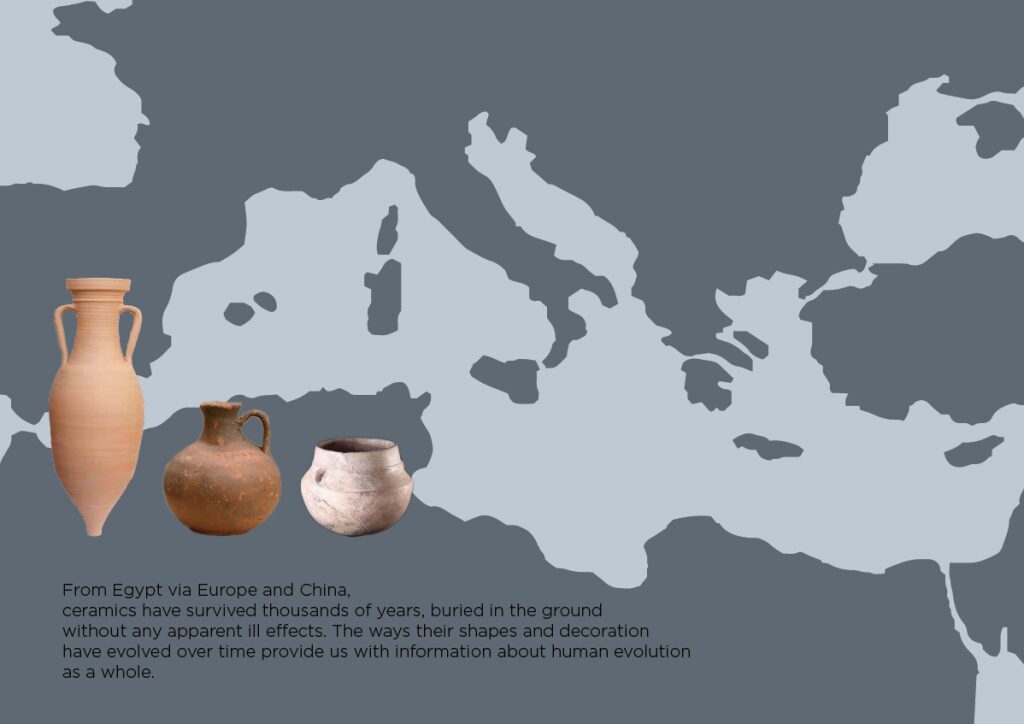
Italy is renowned for its rich ceramic heritage, with regions like Salerno and Lodi producing iconic pieces. From ancient times to modern days, ceramics have been an essential part of human culture. However, this material, like all others, has a limited lifespan and eventually ends up in landfills.
Distinguishing Ceramics from Glass
While ceramics and glass may seem similar, they are not interchangeable waste streams. The same goes for porcelain and ceramic. Porcelain is considered the most prestigious type of ceramic and should be disposed of separately. Other materials that belong to this category include:
- Pirex: A type of heat-resistant glass often used in cookware.
- Cristallo: Broken crystal items, which should not be confused with genuine glass.
Rethinking Waste Management
In many cases, ceramics can no longer serve their purpose and become an eyesore. What happens to these items? Unfortunately, they often end up in the landfill without being properly sorted. However, there are alternatives:
- Island Ecological Services: Many municipalities offer specialized collection services for hazardous waste, including ceramics.
- Community-based initiatives: Some communities have started recycling programs or partnerships with local businesses to collect and responsibly dispose of ceramics.
Kintsugi: The Art of Repurposing Ceramics
In Japan, the art of Kintsugi has been around for centuries. This ancient technique involves repairing broken pottery with gold or silver lacquer, highlighting the piece’s unique flaws rather than disguising them. You can try your hand at this beautiful practice using materials like golden glue.
Kintsugi is not just about preserving a piece of history; it also promotes sustainability by giving old items new life.
Types of Ceramics and Their Disposal
Different types of ceramics require different disposal methods:
- Tableware: Disposable tableware should be placed in regular trash, while reusable pieces can be recycled or repurposed.
- Decorative Items: Decorative ceramics, such as vases or sculptures, can often be donated to local charities or thrift stores.
- Cookware: Cookware, especially if made of Pirex or Cristallo, should be disposed of separately.
Benefits of Sustainable Ceramic Disposal
Sustainable disposal of ceramics offers numerous benefits:
- Reduced waste: By properly disposing of ceramics, we can significantly reduce the amount of waste sent to landfills.
- Environmental protection: Proper disposal methods help protect our environment by preventing pollution and conserving natural resources.
- Community engagement: Initiatives promoting sustainable ceramic disposal encourage community involvement and education.
Conclusion
Disposing of ceramics responsibly requires a shift in our perspective on waste management and the importance of recycling. By understanding where to dispose of these materials and embracing alternatives, we can contribute to a more sustainable future. It’s time for us to rethink our approach to ceramics and create a better world for generations to come.
Additional Resources
For those interested in learning more about ceramic disposal, there are several additional resources available:
- Local government websites: Check your local government website for information on specialized collection services or recycling programs.
- Environmental organizations: Contact environmental organizations for guidance on sustainable ceramic disposal practices.
- Community centers: Reach out to community centers or neighborhood associations to learn about initiatives promoting sustainable waste management.
By working together and adopting responsible ceramic disposal habits, we can create a more sustainable future for our planet.


