
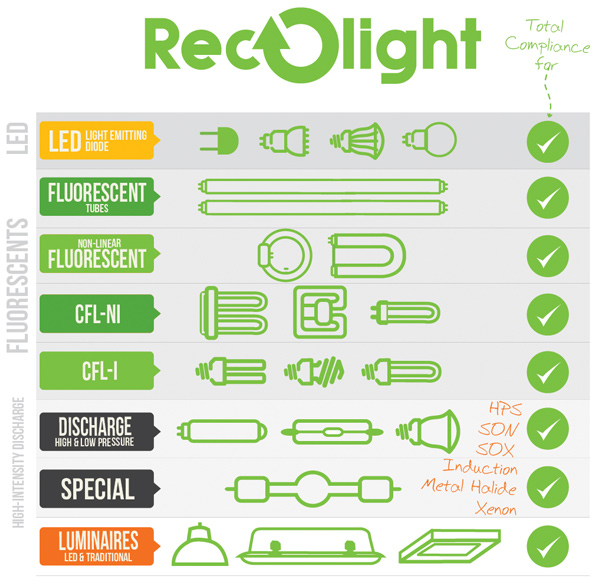
As we’ve seen in recent years, LED light bulbs have become a staple in our homes and offices. However, with great power comes great responsibility, and it’s essential to know how to properly dispose of these energy-efficient bulbs.
In this article, we’ll delve into the world of LEDs, exploring their benefits, proper disposal methods, and what sets them apart from traditional incandescent bulbs.
What is an LED?
To start, let’s define what an LED is. LED stands for Light Emitting Diode, a technology that produces light through a process called electroluminescence. This technology has revolutionized the way we light our homes and workplaces, offering numerous benefits such as increased energy efficiency, longer lifespan, and reduced heat output.
The Importance of Proper Disposal
While LEDs are incredibly efficient, they still have a limited lifespan and eventually need to be replaced. However, this doesn’t mean they can just be thrown away like regular trash. LEDs contain materials that can harm the environment if not disposed of correctly.
So, what’s the proper way to dispose of LED light bulbs?
LED Disposal: A Step-by-Step Guide
- Identify the Type of LED: Before disposing of an LED bulb, it’s essential to identify its type. This will determine how you should handle it.
- Check the Packaging: Look for specific instructions on the packaging or labeling of the bulb. Some manufacturers may have special guidelines for disposal.
- Recycle at a Local Facility: If your local government has designated facilities for electronics waste, take your LED bulb there. Many communities also offer special collection events.
- Participate in Manufacturer Take-Back Programs: Some manufacturers, such as Philips and GE, offer take-back programs for their products. Check the manufacturer’s website to see if they have a program in place.
RAEE (Waste Electrical and Electronic Equipment) Regulations
In many countries, there are regulations governing the disposal of waste electrical and electronic equipment (RAEE). These regulations aim to reduce the environmental impact of e-waste by ensuring that it is disposed of correctly.
For example, in the European Union, RAEE must be disposed of through a designated collection point. Failure to do so can result in fines and penalties.
Benefits of Using LED Bulbs
So, why should you consider using LED bulbs? Here are just a few benefits:
- Longer Lifespan: LEDs last up to 50 times longer than traditional incandescent bulbs.
- Energy Efficiency: LEDs use significantly less energy than traditional bulbs, making them a cost-effective option in the long run.
- Environmental Benefits: By using LED bulbs, you’ll reduce your carbon footprint and help minimize waste.
Smart LED Bulbs: The Future of Lighting
In recent years, we’ve seen the rise of smart LED bulbs that can be controlled remotely using voice assistants or mobile apps. These bulbs offer a range of features, including:
- Color-Changing: Some smart LED bulbs can change color, allowing you to customize your lighting experience.
- Dimming and Scheduling: Smart LED bulbs can also be dimmed and scheduled to turn on/off at specific times.
With the growing demand for smart home technology, it’s clear that LEDs are going to play a major role in shaping our future of lighting.
Frequently Asked Questions
Here are some frequently asked questions about LED light bulb disposal:
- What happens if I throw away an LED bulb?
- If you dispose of an LED bulb incorrectly, it may contain toxic materials that can harm the environment.
- Can I recycle my LED bulbs at home?
- While it’s possible to recycle some materials from your old LEDs, it’s generally recommended to take them to a local recycling facility or designated collection point.
- Are smart LED bulbs more environmentally friendly than traditional bulbs?
- Smart LED bulbs are designed to be energy-efficient and last longer, which can reduce their overall environmental impact.
The Environmental Impact of LED Disposal
LEDs contain materials such as lead, mercury, and cadmium, which are toxic to the environment. If not disposed of correctly, these materials can leach into soil and water, causing harm to wildlife and human health.
In addition to the environmental impact, improper disposal of LEDs can also result in economic costs, including fines and penalties for non-compliance with regulations.
Conclusion
Properly disposing of LED light bulbs is crucial to reducing their environmental impact. By following the steps outlined in this guide, you can help ensure that your old LEDs are disposed of correctly and safely.
Remember, every small action counts, and making environmentally responsible choices can have a significant impact when combined with the efforts of others.
So, next time you replace an LED bulb, don’t just throw it away like regular trash. Take a few minutes to research how to properly dispose of it, and do your part in protecting our planet for future generations.


