
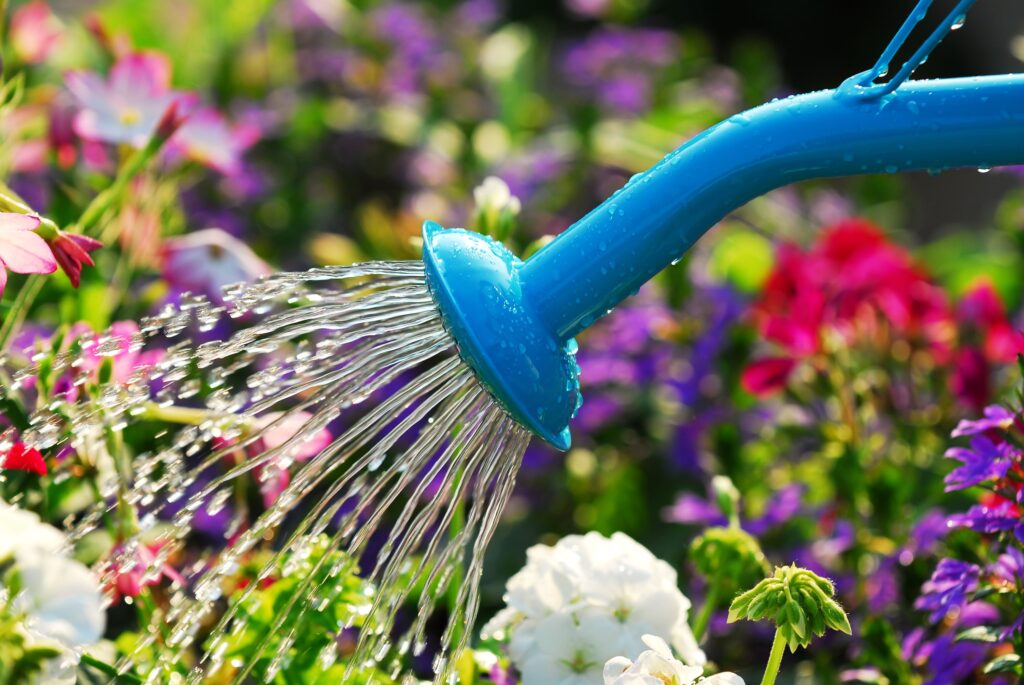
When to Water Flowers and Plants
As a gardener, knowing when to water flowers and plants is an art that requires attention to detail and understanding of the specific needs of your plants. In this article, we’ll explore the key factors to consider when deciding whether to water your flowers and plants.
Choosing the Right Type of Water
Before we dive into the nitty-gritty of watering, it’s essential to choose the right type of water for your plants. Water that is high in calcium can be detrimental to plant growth, particularly for acid-loving plants like geraniums and orchids. So, what types of water should you use? Look for water with a low TDS (Total Dissolved Solids) level or consider using rainwater or filtered water.
10 Key Factors to Consider When Watering Flowers
When deciding how often to water your flowers, there are several factors to take into account. Here are 10 key indicators:
- Temperature: Different temperatures can affect the amount of water a plant needs. For example, plants grown in hot weather may require more frequent watering.
- Sun Exposure: Plants that receive direct sunlight may need more water than those that are shaded.
- Fertilization: Fertilized plants may require less water due to increased nutrient uptake.
- Pest and Disease Management: Plants that are susceptible to pests or diseases may require more frequent watering to maintain optimal health.
- Soil Type: Different soil types can affect the amount of water a plant needs. For example, sandy soils tend to drain quickly, while clay soils retain more moisture.
When these factors intersect, it’s easy to get lost in the weeds (pun intended!). To avoid overwatering or underwatering your plants, keep an eye on the following signs:
- Leaf Drop: If leaves are dropping off, it may be a sign that your plant needs more water.
- Wilting: Wilting is a clear indication that your plant needs watering.
- Fungal Infections: Fungal infections can appear as white, cottony growths on the surface of leaves.
By paying attention to these signs and considering the factors mentioned above, you’ll be well on your way to mastering the art of watering flowers and plants.
Watering Methods for Different Types of Plants
Different types of plants have unique watering requirements. Here are some tips for watering specific plants:
- Orchids: Orchids require careful watering as overwatering can lead to root rot.
- Succulents: Succulents are adapted to dry conditions and should be watered sparingly.
In conclusion, mastering the art of watering flowers and plants requires attention to detail and understanding of specific plant needs. By considering temperature, sun exposure, fertilization, pest management, soil type, leaf drop, wilting, and fungal infections, you’ll be able to provide optimal care for your plants.
Additional Tips for Effective Watering
- Use a Moisture Meter: A moisture meter can help you determine the moisture levels in the soil.
- Water at the Right Time: Water your plants in the morning or early afternoon to allow the plant to absorb the water throughout the day.
- Avoid Overwatering: Avoid watering your plants too frequently, as this can lead to root rot and other problems.
Frequently Asked Questions
Q: How often should I water my flowers?
A: The frequency of watering depends on various factors such as temperature, sun exposure, fertilization, and pest management. Observe the signs mentioned above and adjust your watering schedule accordingly.
Q: What type of water is best for plants?
A: Water with a low TDS level or consider using rainwater or filtered water.
Q: How do I know if my plant needs more water?
A: Look for signs such as leaf drop, wilting, and fungal infections.
Q: Can I overwater my succulents?
A: Yes, succulents are adapted to dry conditions and should be watered sparingly.
Common Mistakes in Watering
- Overwatering: Overwatering can lead to root rot and other problems.
- Underwatering: Underwatering can cause plants to become stressed and more susceptible to disease.
- Incorrect Water Temperature: Water that is too hot or cold can be harmful to plants.
Conclusion
Mastering the art of watering flowers and plants requires attention to detail, understanding of specific plant needs, and a willingness to learn and adapt. By considering temperature, sun exposure, fertilization, pest management, soil type, leaf drop, wilting, and fungal infections, you’ll be able to provide optimal care for your plants. Additionally, use a moisture meter, water at the right time, and avoid overwatering or underwatering.
By following these tips and avoiding common mistakes, you’ll be well on your way to becoming a skilled gardener who can provide the best possible care for your flowers and plants.


