
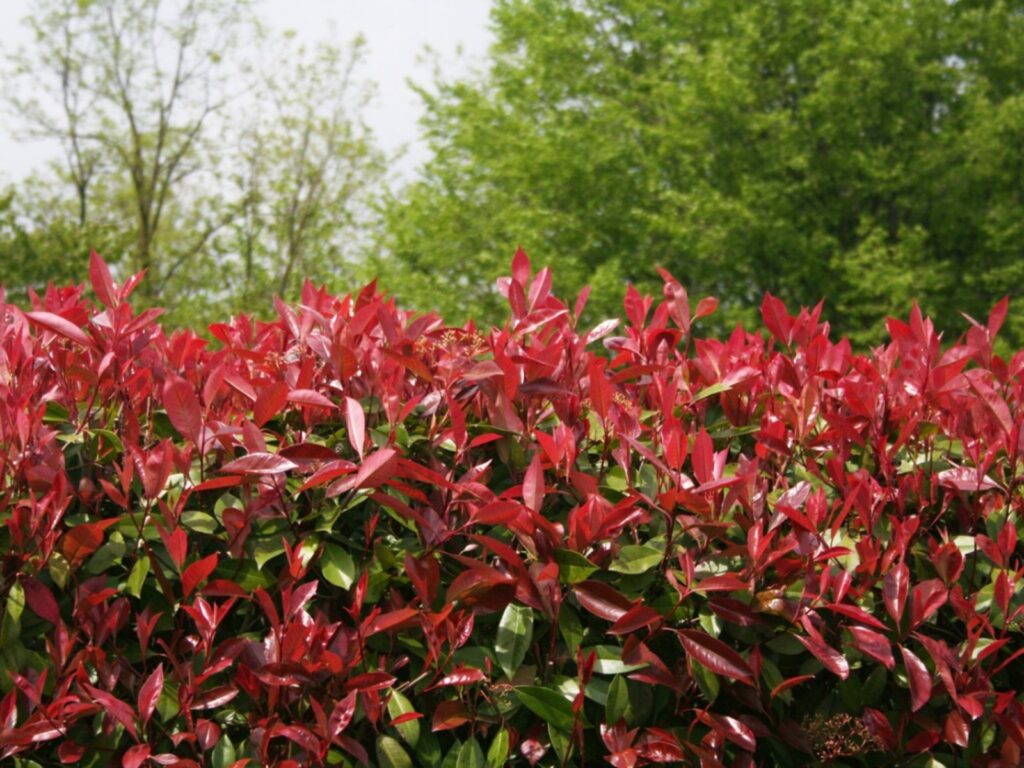
Pruning your Photinia can seem like a daunting task, especially if you’re new to gardening or unsure about the best techniques. But with the right guidance, you can enjoy a lush and healthy garden that’s full of life and beauty. In this article, we’ll delve deeper into the world of pruning Photinia, exploring the best times to prune, climate factors to consider, pruning techniques, tools needed, tips for maintaining its health, handling waste from pruning, and more.
Best Time for Pruning
When it comes to pruning your Photinia, timing is everything. You want to choose a moment when the plant is healthy and active, but not too stressed or busy producing flowers. In this section, we’ll discuss the ideal time to prune your Photinia based on climate conditions and seasons.
- Spring Pruning: Spring is an excellent time to prune your Photinia as it stimulates new growth and encourages the plant to produce more leaves. Prune in late March or early April, when the plant has reached its dormant period.
- Fall Pruning: Fall pruning is also a great option as it prepares the plant for winter, allowing it to grow stronger roots and branches during the colder months. Prune in late September or early October, after the plant has finished blooming.
Climate Factors to Consider
When selecting a moment for pruning, consider various climate factors that can affect your Photinia’s health. Here are some key considerations:
- Temperature: Extreme cold or wet weather may damage the plant, so wait until conditions improve before pruning.
- Wind and Sun Exposure: If your Photinia is exposed to strong winds or extreme temperatures, prune it when the weather improves to prevent damage.
- Humidity: High humidity can lead to fungal diseases, making fall pruning a better option.
Pruning Techniques
Photinia responds well to pruning, but there are different techniques to maintain its desired shape and health. Here’s a breakdown of formative and maintenance pruning:
- Formative Pruning: This technique is used on young plants to determine their shape and portability. Use precise cuts to create a strong framework for the plant.
- Maintenance Pruning: This method involves cutting overgrown or disordered branches in mature plants. Remove any dead, diseased, or damaged branches to promote healthy growth.
Tools Needed for Pruning
To get the best results from pruning your Photinia, you’ll need the right tools. Here are some basic tools to include:
- Pruning Shears: Required for trimming branches. Look for sharp, high-carbon steel blades and ergonomic handles.
- Handsaw or Pruning Saw: Useful for cutting thicker branches. Choose a saw with a comfortable grip and a sharp blade.
- Gardening Gloves: Necessary for protecting hands during pruning. Select gloves that provide good grip, protection, and breathability.
Tips for Maintaining Photinia’s Health
To keep your Photinia healthy and thriving, follow these expert tips:
- Preventing Diseases: Regularly inspect the plant for signs of disease or insect infestation. Remove infected branches immediately to prevent further damage.
- Fertilization and Irrigation: Provide your Photinia with necessary nutrients and water to ensure its health. Fertilize regularly using a specific fertilizer for ornamental shrubs, and irrigate during dry weather periods.
Handling Waste from Pruning
Properly handling waste from pruning is vital to avoid environmental problems and health issues. Here are some tips:
- Waste Categorization: Divide waste into two categories: woody material (thicker branches) and greenery (thinner branches). This will help you determine the best disposal method for each type of waste.
- Composting: Compost greenery waste through a composting process, producing natural fertilizer that can nourish plants. This is an excellent way to reduce waste and create a sustainable gardening practice.
Segregation and Disposal
To ensure responsible waste management, separate woody material from greenery for proper disposal:
- Woody Material: Dispose of thicker branches through chipping or mulching, reducing the volume of waste and creating a valuable resource for your garden.
- Greenery: Compost greenery waste to produce natural fertilizer that can nourish plants.
Tumbling and Energy Production
Reduce the volume of woody material by crushing it into biomass for energy production:
- Biomass: Crush thicker branches into smaller pieces, creating a valuable resource for energy production.
- Energy Production: Use biomass as fuel for your garden or share with neighbors, reducing waste and promoting sustainability.
Conclusion
Pruning your Photinia may seem intimidating at first, but with the right guidance and techniques, you can enjoy a lush and healthy garden that’s full of life and beauty. By following these expert tips and guidelines, you’ll be able to maintain your Photinia’s health, prevent diseases, and reduce waste from pruning.
Frequently Asked Questions
- What is the best time to prune my Photinia?
- Spring or fall are ideal times for pruning, as they stimulate new growth and prepare the plant for winter.
- How often should I fertilize my Photinia?
- Fertilize your Photinia regularly using a specific fertilizer for ornamental shrubs, following the instructions on the packaging to avoid over-fertilizing.
- What are some effective ways to handle waste from pruning?
- Composting, segregation, and crushing are all effective methods for managing waste, but always check local regulations for guidelines on proper disposal.
- Can I prune my Photinia in winter?
- Avoid pruning your Photinia during the blooming season or extreme cold weather, as this can damage the plant.
- How do I prevent diseases and pests from affecting my Photinia?
- Regularly inspect the plant for signs of disease or insect infestation. Remove infected branches immediately, and avoid over-fertilizing to promote healthy growth.
- Can I compost greenery waste from pruning?
- Yes, composting is an excellent way to produce natural fertilizer that can nourish plants.
- What are some common mistakes gardeners make when pruning Photinia?
- Over-pruning, under-fertilizing, and failing to inspect the plant for diseases or pests can all lead to unhealthy growth and reduced flowering.
- How do I care for my Photinia during extreme weather conditions?
- Provide your Photinia with necessary nutrients and water to ensure its health. Fertilize regularly using a specific fertilizer for ornamental shrubs, and irrigate during dry weather periods.
By following these expert tips and guidelines, you’ll be able to maintain your Photinia’s health, prevent diseases, and reduce waste from pruning. Happy gardening!


