
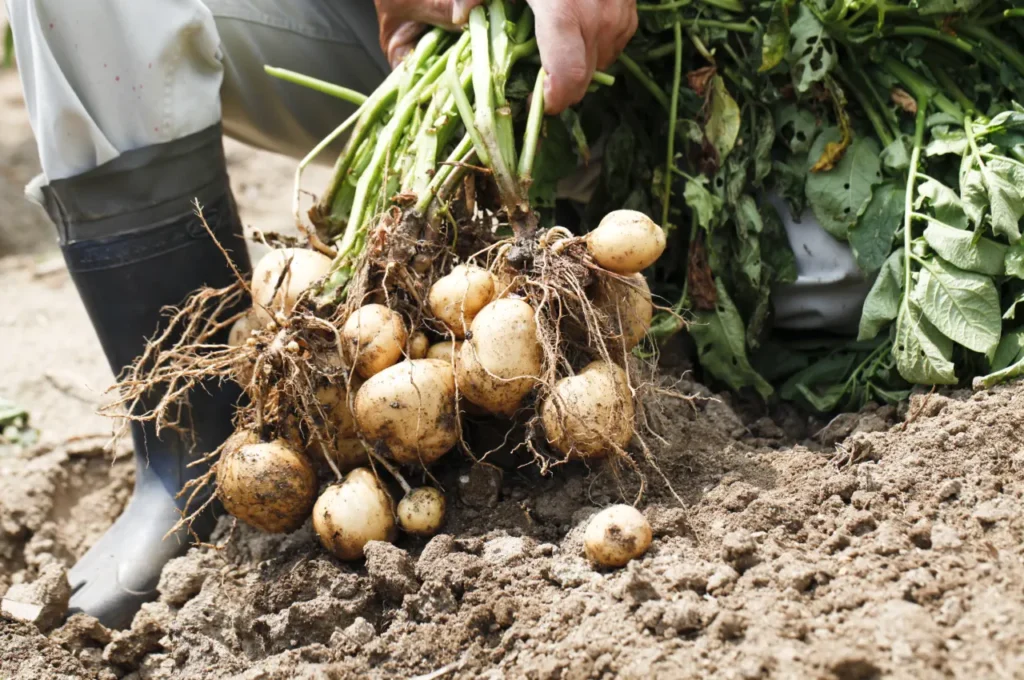
As a seasoned gardener, I’ve learned that timing is everything when it comes to harvesting potatoes. In this article, we’ll delve into the world of potato cultivation and explore the best practices for determining when to harvest your spuds.
Understanding the Basics of Potato Cultivation
Before we dive into the nitty-gritty of harvesting potatoes, let’s take a look at the basics of cultivating these delicious tubers. Potatoes are a cool-season crop that thrive in temperate climates with moderate temperatures and adequate moisture.
There are two main types of potato varieties: mature and immature. Mature potatoes are those that have reached full maturity and are ready for harvest, while immature potatoes are those that have not yet reached full maturity and should be harvested when they are still green.
Understanding Potato Variety
When it comes to choosing a potato variety, there are many factors to consider. Different varieties have different maturation times, disease resistance, and yield potential. Here’s a brief overview of some common potato varieties:
- Russet Potatoes: These are one of the most popular varieties, known for their high yield and disease resistance.
- Red Bliss Potatoes: These are smaller than Russet potatoes but still produce a lot of yields. They’re also prized for their sweet flavor.
- Yukon Gold Potatoes: These have a buttery, yellow flesh and are great for boiling or roasting.
When choosing a variety, be sure to consider factors like climate, soil quality, and pest resistance.
Observing the Signs
To determine if your potatoes are ready for harvest, look for these signs:
- The tops of the plants start to turn yellow and die back: This is a clear indication that the potatoes are mature.
- The soil around the plants is dry and cracked: If the soil is dry and cracked, it’s likely that the tubers are ready for harvest.
- You can see the tops of the tubers peeking out of the soil: If you gently tug on a leaf, it should come off easily.
If you’re still unsure, try harvesting a few early potatoes and checking their maturity.
The Lunar Cycle
In some parts of the world, potato farmers have long used the lunar cycle to determine when to harvest their crops. The idea is that the full moon has a cooling effect on the plants, which helps to slow down the growth process and make it easier to harvest.
While this method may seem old-fashioned, it’s actually based on some scientific principles. The full moon has a lower temperature than the new moon, which can help to slow down the growth of certain crops like potatoes.
The Best Time for Harvest
So, when is the best time for harvesting potatoes? In general, the ideal time is about 10-14 weeks after planting, or during the spring and early summer months when the weather is cool and moist.
However, this can vary depending on your specific climate and soil conditions. Be sure to check with local gardening experts or consult a reliable gardening resource for more information on the best harvesting times in your area.
Tips for Successful Harvesting
Here are some additional tips for successful potato harvesting:
- Harvest during the cooler part of the day: This will help prevent the tubers from getting damaged.
- Use a garden fork to carefully dig up the potatoes: Avoid using a shovel or other digging tool that can damage the tubers.
- Handle the potatoes with care: Potatoes are delicate, so be sure to handle them gently to avoid bruising or breaking.
By following these tips and paying attention to the signs of maturity, you should be able to successfully harvest your potatoes and enjoy a bountiful crop.
How Long Do Potatoes Take to Mature?
One important factor to consider when harvesting potatoes is how long they take to mature. The length of time it takes for potatoes to mature can vary depending on factors like climate, soil quality, and variety.
Here’s a rough estimate of the maturation times for different types of potato:
- Mature Potatoes: 70-100 days
- Immature Potatoes: 40-60 days
Keep in mind that these are just general guidelines, and the actual maturation time may vary depending on your specific conditions.
Factors That Affect Maturation Time
Several factors can affect the maturation time of potatoes. Here are some common ones:
- Climate: In cooler climates, potatoes tend to mature faster than in warmer climates.
- Soil quality: Well-draining, fertile soil can help potatoes mature faster.
- Variety: Different potato varieties have different maturation times.
By understanding these factors and choosing a variety that’s suitable for your climate and soil conditions, you can ensure that your potatoes are harvested at the right time.
Tips for Optimizing Maturation Time
Here are some tips to help optimize the maturation time of your potatoes:
- Use row covers: Row covers can help regulate temperature and moisture, which can affect the maturation time.
- Apply mulch: Mulching can help retain soil moisture and reduce evaporation.
- Avoid overwatering: Overwatering can lead to rot and other diseases that can slow down maturation.
By following these tips and understanding how climate, soil quality, and variety affect maturation time, you should be able to optimize the growth of your potatoes and harvest them at the right time.


