
As we navigate the world of healthy eating, one question often arises: when and how much should I eat dates? These sweet, nutritious fruits are packed with beneficial compounds that can boost our energy, support digestive health, and even help lower cholesterol levels. In this article, we’ll delve into the world of dates, exploring their benefits, proper consumption guidelines, and debunking common myths.
Understanding Dates: Fresh vs. Dried
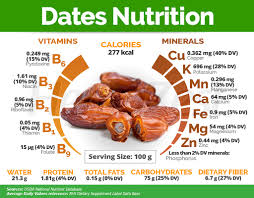
Before we dive into the nitty-gritty of date consumption, let’s explore the differences between fresh and dried dates. While both types of dates can be enjoyed, they have distinct nutritional profiles. Fresh dates are rich in fiber, vitamins, and minerals like potassium, iron, and calcium, with a caloric content of approximately 140 calories per 100g serving.
On the other hand, dried dates are more concentrated, with a higher calorie count of around 260 calories per 100g serving. While they contain fewer nutrients than fresh dates, they still offer significant health benefits, particularly when it comes to fiber and minerals like iron and calcium.
The Nutritional Profile of Dates
Dates are an excellent source of essential nutrients, including:
- Fiber: Supports healthy digestion and satiety
- Potassium: Helps regulate blood pressure and support overall cardiovascular health
- Iron: Essential for transporting oxygen throughout the body
- Calcium: Crucial for maintaining strong bones and teeth
In addition to these key nutrients, dates also contain a range of antioxidants, flavonoids, and phenolic acids that have been shown to possess anti-inflammatory and anti-cancer properties.
When to Eat Dates
So, when is the best time to enjoy these nutritious fruits? The answer lies in moderation and balance. Eating three dates per day can be an excellent way to incorporate them into your diet, especially during meals that include protein and healthy fats. For example:
- Start your day with a delicious breakfast bowl featuring yogurt, granola, and fresh or dried dates.
- Enjoy dates as a mid-morning snack alongside a piece of fruit or a handful of nuts.
However, for those who require more precise guidance, here are some tailored suggestions:
- Fitness enthusiasts: Consume dates about 30 minutes before your workout to boost energy levels. Pair them with a fresh fruit like an orange or apple.
- Individuals seeking weight management: Focus on consuming dried dates in moderation (about one per day) and balance them with protein-rich foods and plenty of vegetables.
Additional Benefits and Precautions
While dates are generally considered safe to consume, there are some caveats to be aware of:
- Blood sugar control: Due to their high natural sweetness content, fresh or dried dates can affect blood sugar levels. If you have diabetes or concerns about your blood sugar management, it’s best to consult with a healthcare professional before incorporating dates into your diet.
- Digestive health: Some individuals may experience digestive issues after consuming dates due to their high fiber and sugar content. Start with small amounts to monitor how your body reacts.
Unlocking the Full Potential of Dates
Incorporating dates into your diet can have a profound impact on overall well-being. By understanding when and how much to consume them, you can harness the full potential of these nutritious fruits and reap their benefits. So go ahead, indulge in this sweet treat and experience the positive effects for yourself!
Frequently Asked Questions
Q: Can I eat dates daily?
A: Yes, but be mindful of your body’s response and adjust your consumption accordingly.
Q: Are dried dates more nutritious than fresh ones?
A: While dried dates have fewer nutrients than fresh ones, they still offer significant health benefits, particularly when it comes to fiber and minerals like iron and calcium.
Q: Can I use dates as a natural sweetener?
A: Yes, due to their high sweetness content, dates can be used as a natural alternative to refined sugars in baking and cooking.
Q: Are dates suitable for individuals with blood sugar concerns?
A: If you have diabetes or concerns about your blood sugar management, consult with a healthcare professional before incorporating dates into your diet.
Conclusion
Dates are a nutrient-rich fruit that offers a range of health benefits when consumed as part of a balanced diet. By understanding their nutritional profile, proper consumption guidelines, and potential precautions, you can unlock the full potential of these delicious fruits and experience the positive effects for yourself. Whether you prefer fresh or dried dates, incorporating them into your daily routine can have a profound impact on overall well-being. So go ahead, indulge in this sweet treat and reap the rewards!


