
Introduction
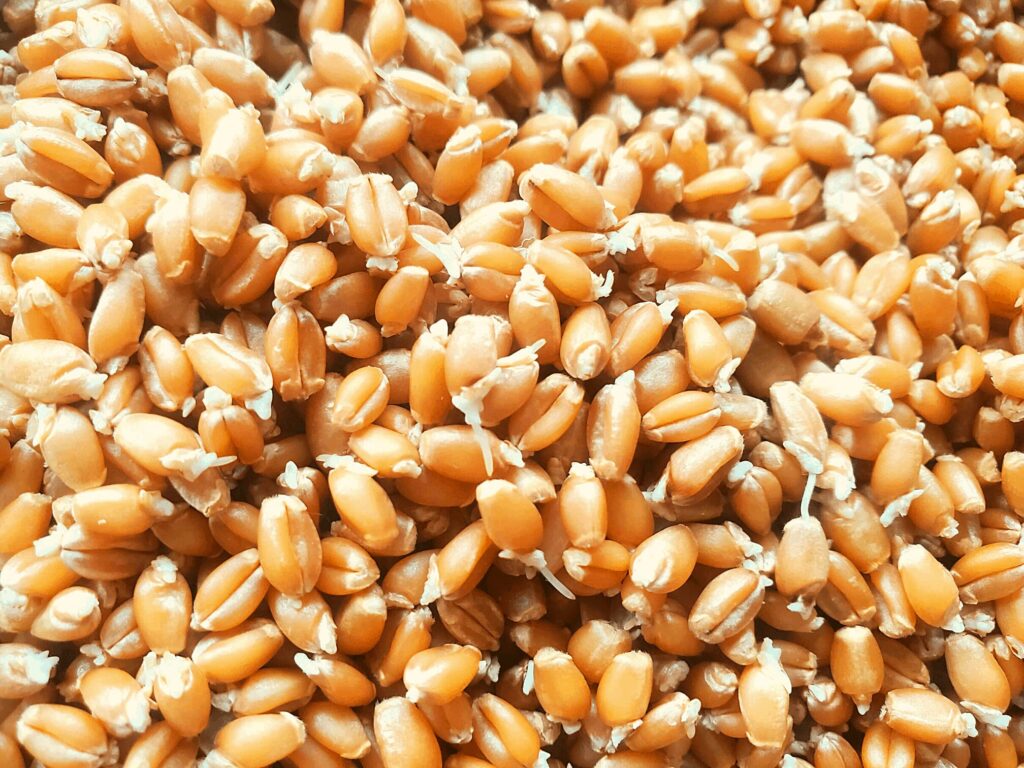
Germinating grains, also known as sprouting or germination, is a process that unlocks the nutritional potential of grains. In this article, we’ll delve into the world of germinating grains, exploring their benefits, how to do it, and what to expect from consuming them.
What are Germinating Grains?
Germinating grains are young plants that have been allowed to sprout from seeds, typically within 3-5 days after planting. This process triggers a biochemical response in the grain, causing it to break down stored carbohydrates into simple sugars and proteins. The resulting sprouts are tender, flavorful, and packed with nutrients.
The Nutritional Benefits of Germinating Grains
Germinating grains offer several health benefits:
- High vitamin content: Germinated grains contain high levels of vitamins B1, A, E, and B6.
- Rich in minerals: Germinated grains are rich in manganese, a mineral essential for DNA synthesis and antioxidant activity.
- Gluten-free: Germinating grains reduces the amount of gluten present, making them suitable for individuals with gluten intolerance.
Types of Grains that Can be Germinated
Several types of grains can be germinated:
- Wheat
- Rye
- Oats
- Barley
- Rice
- Sorghum
The Science Behind Germination
Germination is a complex process that involves the activation of enzymes, the breakdown of stored carbohydrates, and the synthesis of new proteins. The process can be triggered by various factors, including:
- Moisture: Grains require moisture to germinate.
- Temperature: Optimal temperatures for germination vary depending on the grain type.
- Light: Light exposure can stimulate germination in some grains.
How to Germinate Grains
To germinate grains, follow these steps:
- Choose the right grain: Select a fresh and high-quality grain.
- Rinse the grain: Rinse the grain thoroughly to remove any impurities or debris.
- Soak the grain: Soak the grain in water for several hours or overnight.
- Drain and rinse: Drain and rinse the grain again before allowing it to sprout.
The Benefits of Germination
Germinating grains offers numerous benefits, including:
- Increased nutritional value: Germinated grains are packed with nutrients, including vitamins, minerals, and proteins.
- Improved digestibility: Germinated grains are easier to digest than their non-germinated counterparts.
- Reduced inflammation: Germinated grains contain anti-inflammatory compounds that may help reduce inflammation in the body.
How to Use Germinated Grains
Germinated grains can be used in a variety of ways:
- Salads
- Soups
- Stir-fries
- Pasta dishes
- Bread making
Tips for Incorporating Germinated Grains into Your Diet
- Start small: Begin by incorporating germinated grains into your diet in small amounts.
- Experiment with different grains: Try germinating different types of grains to find the ones you enjoy the most.
- Add germinated grains to meals: Incorporate germinated grains into your favorite dishes for an added nutritional boost.
Common Mistakes to Avoid When Germinating Grains
- Over-soaking: Over-soaking can lead to mold growth and reduced nutritional value.
- Under-soaking: Under-soaking may not trigger the germination process effectively.
- Inadequate rinsing: Failing to rinse the grain thoroughly can leave behind impurities.
Conclusion
Germinating grains is a simple and effective way to unlock their nutritional potential. With its rich nutrient profile, germinated grains offer numerous health benefits and can be easily incorporated into your diet.
Frequently Asked Questions
- What are the benefits of germinating grains?
Germinating grains offers several health benefits, including high vitamin content, richness in minerals, and reduced gluten levels. - How do I choose the right grain for germination?
Choose a fresh and high-quality grain that is suitable for germination. - Can I use germinated grains for baking?
Yes, germinated grains can be used for baking, but it’s recommended to soak them in water before using them. - How long does it take for germinated grains to sprout?
The length of time required for germinated grains to sprout depends on factors such as temperature and humidity.
Additional Resources
For more information on germinating grains, we recommend checking out the following resources:
- “The Sprouting Handbook” by Dr. Joseph Pizzorno
- “Germination: A Guide to Unlocking Nutritional Potential”
- Online forums and communities dedicated to sprouting and fermentation


