
As consumers, we often find ourselves mindlessly grabbing at packages without even thinking about what’s really inside. But have you ever stopped to consider what’s really in your food? It’s time to wake up and smell the artificial aromas.
The Rise of Artificial Aromatics
Artificial aromas are chemicals designed to modify the taste and aroma of food. They can be found in a wide range of products, from beverages to cereals, yogurts, and more. The demand for these substances has been on the rise due to consumer preferences for unique flavors and aromas.
However, as we delve deeper into the world of artificial aromatics, it becomes clear that the risks associated with their consumption far outweigh any perceived benefits. With new research revealing that we’re consuming far too many artificial substances, it’s high time we pay attention to what we put on our plates.
The New Breed of Artificial Aromatics
In October, a new legislative text was approved, introducing 2,100 new artificial aromatic substances into our food supply. These chemicals are set to “enrich” the flavor and aroma of our meals, but at what cost? We’re talking about thousands of potentially hazardous substances that could be lurking in your fridge, on your plate, or even in your cup.
Some of these substances have been linked to serious health problems, including cancer, neurological disorders, and reproductive issues. But despite this, the food industry continues to push for their use, often without adequate testing or evaluation.
The European Food Safety Authority (EFSA) – Not Always Right
So, why did the EFSA deem these substances safe for human consumption? According to the text, they were deemed “safe” based on data from other scientific organizations. But what about the potential risks to our health and the environment?
One of the main concerns is that the EFSA has been criticized for its overly broad definition of safety, which can lead to overlooking potential risks associated with certain substances.
A World of Chemicals
Let’s face it – we’re living in a world where chemicals are ubiquitous. From additives to aromas and enzymes, there are thousands of substances masquerading as “food” on our shelves. The question is: what’s really going on?
In recent years, the rise of online shopping has led to an explosion in the number of food products available for purchase. With so many options available, it can be difficult to know what’s truly safe and healthy.
The Aspartame Example
Aspartame is a prime example of an artificial aromatic substance with questionable safety credentials. In 1980, a Public Board of Inquiry found that aspartame was not safe for human consumption. But despite this, it was still approved for use in food products by the FDA.
How did this happen? Arthur Hull Hayes, a commissioner at the time, seemed to have disregarded scientific evidence and instead pushed for its approval. This lack of due diligence has led to serious health problems for many individuals who consume aspartame regularly.
The Consequences
Aspartame has been linked to various health problems, including headaches, dizziness, and even cancer. But what about the formaldehyde produced by one of its ingredients, alcohols metilico? This toxic substance can be devastating to the nervous system.
In addition to these risks, aspartame has also been linked to reproductive issues, such as infertility and miscarriage. The long-term effects of consuming this substance are still unknown, but it’s clear that it poses a significant risk to human health.
A Safer Alternative?
So, what’s the solution? It’s time to take a step back and assess our relationship with food. Rather than relying on industrial chemicals to enhance flavor, let’s opt for natural alternatives. Fresh fruit, anyone?
There are countless options available, from herbs and spices to essential oils and extracts. By choosing these alternatives, we can not only improve the taste of our meals but also reduce our exposure to potentially hazardous substances.
Conclusion
The truth about artificial aromatics is out there, but it’s up to us to wake up and smell it. We need to demand better from the food industry and take control of our own health. The future of our plates depends on it.
By being more mindful of what we put in our bodies, we can make a real difference. Whether it’s choosing natural alternatives or advocating for change within the industry, every choice counts.
Frequently Asked Questions
- What are artificial aromatic substances?
Artificial aromatic substances are chemicals designed to modify the taste and aroma of food. - How many artificial aromatics have been approved?
Over 2,100 new artificial aromatic substances have been approved for use in food products. - Are these substances safe for human consumption?
The safety of these substances has not been fully evaluated, and some experts have raised concerns about potential health risks. - Can we still find natural alternatives to artificial aromatics?
Yes, there are many natural alternatives available, such as fresh fruit and herbs. - What’s the relationship between artificial aromatics and formaldehyde?
Formaldehyde is a toxic substance produced by one of the ingredients in some artificial aromatic substances, which can be devastating to the nervous system. - Can we trust the EFSA to make informed decisions about food safety?
While the EFSA has made efforts to improve its assessment process, there are still concerns about its ability to accurately evaluate the risks associated with certain substances. - What’s the impact of artificial aromatics on our health and environment?
The long-term effects of consuming these substances are still unknown, but it’s clear that they pose a significant risk to both human health and the environment. - Can we make a difference by choosing natural alternatives?
Yes, every choice counts, and opting for natural alternatives can have a positive impact on our health and the environment.
Taking Control of Your Health
So, what can you do to protect yourself from the hidden dangers in your plate? Here are some simple steps you can take:
- Read labels carefully: Take the time to read through ingredient lists and look for artificial aromatic substances.
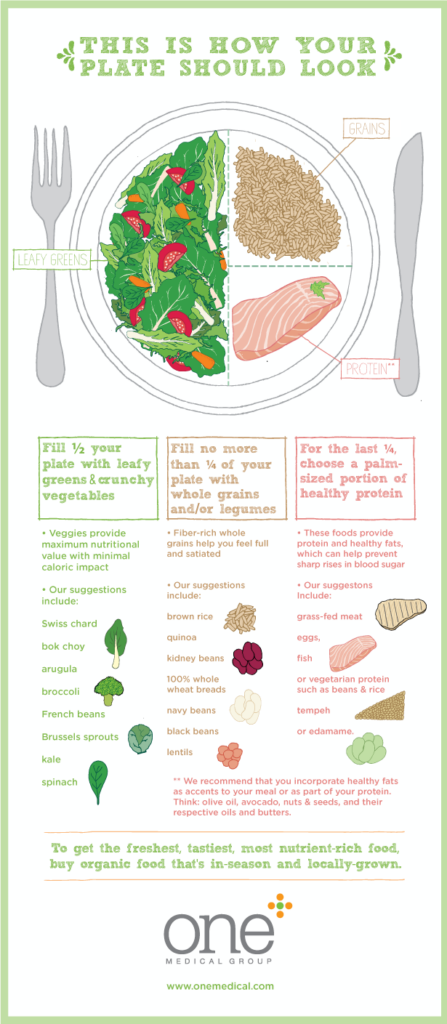
- Choose natural alternatives: Opt for fresh fruit, herbs, and spices instead of relying on industrial chemicals.
- Cook from scratch: Preparing meals from whole ingredients allows you to control what goes into your food.
- Support sustainable agriculture: By choosing locally sourced, organic produce, you can reduce your exposure to pesticides and other chemicals.
- Stay informed: Educate yourself about the potential risks associated with artificial aromatic substances and demand better from the food industry.
By taking these steps, you can take control of what goes into your body and make a real difference in your health and wellbeing. Remember, every choice counts, and together we can create a healthier, more sustainable food system for all.


