
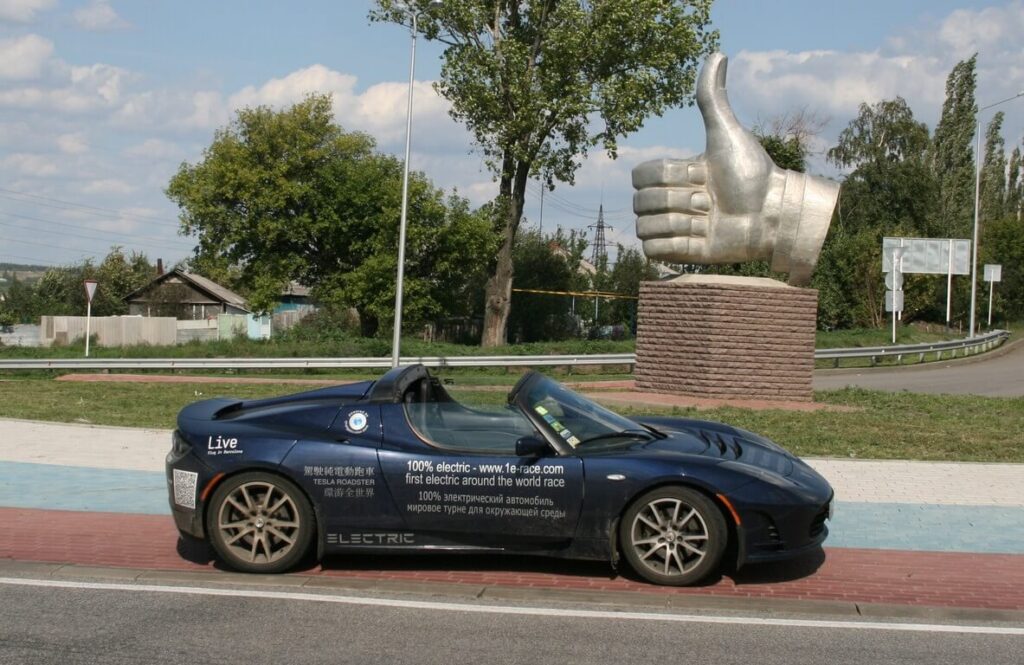
As the world shifts towards a more sustainable future, the race to create the first electric vehicle (EV) to circumnavigate the globe has gained significant attention. While it may seem like a daunting task, several innovative teams are pushing the boundaries of what’s possible with EV technology. In this article, we’ll explore the current contenders for this prestigious title and delve into the challenges they’re facing.
A Brief History of Long-Distance EVs
While electric vehicles have come a long way in terms of range and efficiency, few have attempted to circumnavigate the globe before. However, there have been some notable exceptions. In 2011, a team led by Mike Amey completed a record-breaking journey from New York to Los Angeles using an all-electric car.
The Current Contenders
So, who are the teams vying for the top spot? Let’s take a look at Rafael de Mestre’s Tesla Roadster and the Citroen C-Zero.
Tesla Roadster: The Challenger
In September 2012, Rafael de Mestre announced his ambitious plan to circumnavigate the globe in an all-electric car. His trusty steed is a Tesla Roadster, which boasts an impressive range of over 200 miles on a single charge. De Mestre’s goal is to beat the current record set by the Citroen C-Zero, which has an estimated range of around 60 miles.
Citroen C-Zero: The Challenger
The Citroen C-Zero, however, is not one to be underestimated. Although its range is significantly shorter than the Tesla Roadster’s, it has been gaining momentum as a contender for this title. With an innovative regenerative braking system and advanced battery technology, the C-Zero is proving itself to be a formidable opponent.
Challenges Ahead
While both vehicles have impressive ranges, there are several challenges that these teams will face on their journey. One of the biggest hurdles is finding suitable charging infrastructure along the route. As we all know, electric cars require frequent recharging, and not every location has access to reliable charging stations.
Another challenge is the psychological aspect. Circumnavigating the globe in an EV requires a tremendous amount of endurance, both physically and mentally. The teams will need to stay focused and motivated throughout their journey, which can be a daunting task.
Route Selection
The route that these teams choose will play a significant role in determining their success. A more efficient route with better access to charging infrastructure could give them an advantage over their competitors. However, taking the most scenic routes or avoiding major highways may compromise their range and overall efficiency.
Weather and Climate
Weather conditions can also have a significant impact on electric vehicles. Extreme temperatures, humidity levels, and weather events like thunderstorms can affect the performance and range of EVs. These teams will need to be prepared for various environmental conditions and plan accordingly.
Vehicle Maintenance
Regular maintenance is crucial when it comes to electric vehicles. Teams will need to ensure that their vehicles are in good condition throughout the journey, which may require additional resources and planning.
Who Will Win?
Only time will tell who will emerge victorious in this epic battle. However, one thing is certain – the electric vehicle industry has come a long way in terms of innovation and efficiency. As these teams embark on their journey, we can’t help but feel a sense of excitement and anticipation for what’s to come.
Conclusion
The quest to create the first electric vehicle to circumnavigate the globe is an inspiring one. With innovative designs, advanced technology, and a shared passion for sustainability, it’s clear that this title will be won by one of these talented teams. As we watch their journey unfold, let’s remember that the true prize is not just about setting a record – but about paving the way for a cleaner, more sustainable future.
Frequently Asked Questions
Q: What is the current range of the Tesla Roadster?
A: The Tesla Roadster has an estimated range of over 200 miles on a single charge.
Q: How long does it take to recharge the Tesla Roadster?
A: Depending on the charging method, recharging the Tesla Roadster can take anywhere from 30 minutes to several hours.
Q: Has anyone completed a longer journey in an electric vehicle before?
A: Yes, Mike Amey completed a record-breaking journey from New York to Los Angeles using an all-electric car in 2011.
Q: What is the estimated range of the Citroen C-Zero?
A: The Citroen C-Zero has an estimated range of around 60 miles on a single charge.
A: Depending on the vehicle’s range and charging infrastructure, it can take anywhere from several weeks to several months to complete the journey.
Q: Will electric vehicles ever become more affordable for the masses?
A: As technology continues to improve and economies of scale are achieved through mass production, electric vehicles are likely to become more affordable in the future.
Q: Can you explain the difference between a battery management system (BMS) and an onboard charger (OBC)?
A: Yes, a BMS is responsible for monitoring and controlling the health of the batteries, while an OBC is responsible for charging the vehicle’s batteries.
The Future of Electric Vehicles
As these teams embark on their journey, we can’t help but wonder what the future holds for electric vehicles. Will they become the dominant form of transportation in years to come? Only time will tell, but one thing is certain – the road ahead will be filled with exciting innovations and advancements.
The Importance of Charging Infrastructure
Charging infrastructure plays a crucial role in making long-distance EV journeys possible. As more people begin to switch to electric vehicles, it’s essential that governments and private companies invest in expanding charging networks. This will not only make EVs more practical but also help to reduce greenhouse gas emissions and mitigate climate change.
Conclusion
The quest for the first electric vehicle to circumnavigate the globe is an inspiring one. With innovative designs, advanced technology, and a shared passion for sustainability, it’s clear that this title will be won by one of these talented teams. As we watch their journey unfold, let’s remember that the true prize is not just about setting a record – but about paving the way for a cleaner, more sustainable future.
Additional Resources
For those interested in learning more about electric vehicles and the challenges faced by these teams, there are several additional resources available:
- The Electric Vehicle Association (EVA) provides information on electric vehicle technology, range anxiety, and charging infrastructure.
- The International Energy Agency (IEA) publishes reports on electric vehicle adoption, policy trends, and market analysis.
- Tesla’s official website offers detailed information on their vehicles, including the Model S and Model X.
Conclusion
The journey to create the first electric vehicle to circumnavigate the globe is an exciting one. With innovative designs, advanced technology, and a shared passion for sustainability, it’s clear that this title will be won by one of these talented teams. As we watch their journey unfold, let’s remember that the true prize is not just about setting a record – but about paving the way for a cleaner, more sustainable future.


