
As the world grapples with waste management, it’s essential to understand what can be recycled and how we can do it more efficiently. In this article, we’ll explore the possibilities of recycling various types of waste, from household items to industrial by-products.
The Limits of Recycling
While there are numerous materials that can be recycled, it’s crucial to acknowledge the limitations of this practice. The primary obstacle is often economic convenience. For instance, glass recycling is widespread in some countries, but its implementation is limited due to the high costs associated with processing and transporting the material. Similarly, metal recycling has become increasingly common, thanks to advancements in technology and market demand.
The Elusive List of Recyclable Materials
Even Wikipedia’s attempt to compile a comprehensive list of recyclable materials falls short, citing only eight primary sources: wood, glass, paper, textiles, tires, aluminum, steel, and plastic. This is because all metals can be recycled, and even non-traditional materials like silicon from solar panels and precious metals from electronic waste (e-waste) are being repurposed.
Domestic Recycling: A Brief Overview
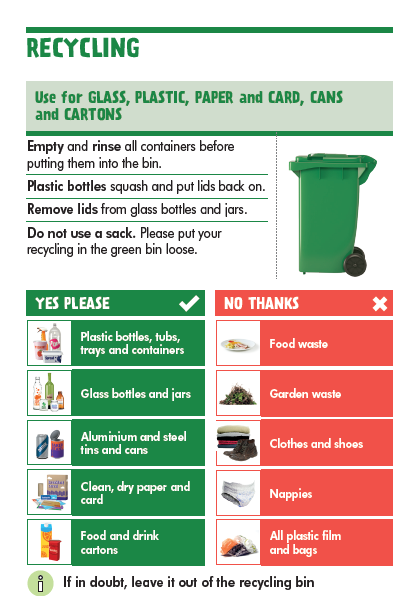
In the home, the list of recyclable materials is more straightforward:
- Paper and cardboard: newspaper, magazines, and packaging materials
- Plastic PET, PE, PS, PP: bottles, polystyrene, and other types of plastic containers
- Aluminum and steel: cans, tin cans, and foil wrappers
- Food waste: composting or using as biomass for biogas production
- Electronic waste (e-waste): responsible disposal through specialized facilities
- Cooking oil: proper disposal to prevent environmental harm
Hidden Recyclables in the Home
Many household items can be recycled with the right approach:
- Wooden furniture and building materials: repurposed into insulation or other products
- Fabric scraps: sorted for textile recycling or reused as rags
- Mobiles and appliances: donated, refurbished, or disassembled for recyclable components
The Business of Plastic Recycling
In Italy, the plastic recycling industry is valued at €700 million, employing 2,000 people and involving over 300 companies. The country’s annual collection and reuse of 750,000 tons of plastic represent a significant percentage of the total material entering the market.
Beyond Traditional Recycling: Pyrolysis for Plastic
Pyrolysis, a process that involves heating plastic in the absence of oxygen, can create synthetic fuels similar to diesel. Early applications have been tested by Cyna Plc, paving the way for further research and development.
Building and Demolition Waste
The construction sector is ripe for waste recycling, with materials like concrete aggregate, inert soil, and other building by-products being reused in various projects. Governments encourage companies that adopt recycled materials through public procurement incentives.
Pneumatic Tires: A New Source of Recyclable Materials
The recycling of pneumatic tires has gained momentum, particularly in the production of asphalt and pavement materials. Companies like PFU are investing in innovative technologies to maximize tire waste as a valuable resource.
As we strive for more sustainable practices, it’s crucial to recognize that waste recycling is not just about what can be recycled but also about how we perceive our role in managing waste. By adopting creative solutions and expanding the definition of recyclable materials, we can work towards a more circular economy and minimize our environmental footprint.


