
Are you searching on Google what to plant in your garden in February? You’re in the right place!
In this article, I’ll guide you on what to cultivate in February in Italy, based on real experiences and direct advice from gardeners, including my dad.
Although February is one of the coldest months, there are still many vegetables to sow in your garden or even indoors. In fact, for some regions like Southern Italy, it’s not uncommon to plant certain vegetables in February, while in other areas, like Northern Italy, you may need to wait a little longer.
Classification of Vegetables
With the term “vegetables,” we refer to everything that can be grown in an orchard, using various techniques. To give you a better idea, let’s start with a fundamental classification of vegetables, categorizing them into 7 major categories:
- Vegetables from Bulbs (e.g., garlic and onions)
- Flower Vegetables (e.g., broccoli and artichokes)
- Leaf Vegetables (e.g., lettuce)
- Fruit Vegetables (e.g., tomatoes and zucchini)
- Stem Vegetables (e.g., asparagus and fennel)
- Root or Tuber Vegetables (e.g., beets, carrots, turmeric, potatoes, garlic, parsnips, radish, turnip, and ginger)
- Seed Vegetables (e.g., beans, peas, and chickpeas)
Based on the category, you’ll need to either sow seeds or plant bulbs.
Methods of Sowing
There’s another important distinction when it comes to sowing:
- Protected Cultivation: This takes place in a greenhouse with controlled temperatures.
- Seed Starting in a Greenhouse: This occurs within a protected area that is naturally warmed by sunlight.
- Direct Sowing in the Field: This happens outside, in your garden or field.
Why Plant in February?
February can be a challenging month to plant outdoors due to cold temperatures and potential frost. However, there are some vegetables that can tolerate light frosts and even thrive during this period. Here are some reasons why planting in February might be beneficial:
- Extended Growing Season: By sowing seeds or planting bulbs in February, you can extend the growing season for certain vegetables, which means you’ll have a wider variety of crops to enjoy throughout the year.
- Early Harvests: Some vegetables, like beans and peas, can be harvested earlier than expected if planted in February. This allows you to enjoy them before they become too hot or go out of season.
- Improved Soil Conditions: As winter breaks up, your soil may become more receptive to new growth. Planting in February takes advantage of these improved conditions, giving your vegetables a better start.
What to Plant in February
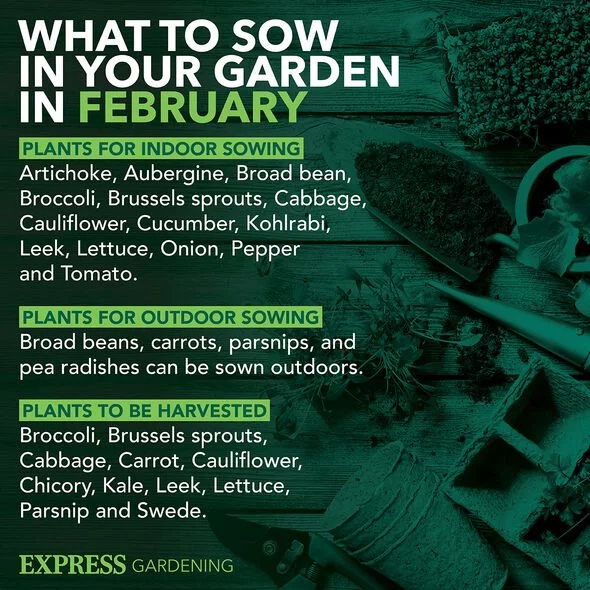
After making these distinctions, we can list what you can sow or plant in your garden in February, indicating the suggested method of sowing or planting (only indoors, only outdoors, or both).
Each vegetable will have a link to our detailed article where you’ll find specific information:
- Garlic (indoor greenhouse)
- Grapes (indoor greenhouse)
- Basil (indoor greenhouse)
- Carrots (protected cultivation)
- Broccoli (outdoor field)
- Cabbage (both indoor and outdoor)
- Beans (both indoor and outdoor)
- Peas (both indoor and outdoor)
- Tomatoes (indoor greenhouse)
- Melons (indoor greenhouse)
- Potatoes (outdoor field, choosing early varieties)
- Cucumbers (indoor greenhouse)
- Squash (indoor greenhouse)
- Spinach (both indoor and outdoor)
- Lettuce (protected cultivation)
Maybe you’ll also find our article on what to sow in March interesting.
Some vegetables, like lettuce and spinach, can tolerate light frosts and even frost damage. Others, such as tomatoes and melons, are more sensitive to cold temperatures and may require protection or indoor growing.
When planting in February, it’s essential to choose varieties that are suitable for the season and your region. Some vegetables, like carrots, do best when planted in the spring after the last frost date.
To increase your chances of success, make sure to follow these tips:
- Choose a Variety: Select a variety that is suitable for the season and your region.
- Prepare the Soil: Make sure the soil is well-draining and has the necessary nutrients for healthy growth.
- Provide Adequate Light: Most vegetables need at least six hours of direct sunlight per day.
- Water Correctly: Vegetables need consistent moisture, especially when they’re producing fruit.
In conclusion, February can be a challenging month to plant outdoors due to cold temperatures and potential frost. However, there are some vegetables that can tolerate light frosts and even thrive during this period. By choosing the right varieties, preparing the soil, providing adequate light, and watering correctly, you can increase your chances of success when planting in February.
Additional Tips
Here are some additional tips to keep in mind:
- Start Seeds Indoors: If you’re starting seeds indoors, make sure to provide them with enough light. You can use grow lights or place them near a sunny window.
- Use Row Covers: Row covers can protect your vegetables from frost damage and extend the growing season.
- Mulch: Mulching can help retain moisture in the soil and regulate soil temperature.
By following these tips and choosing the right varieties, you can enjoy a bountiful harvest from your February plantings. Happy gardening!


