
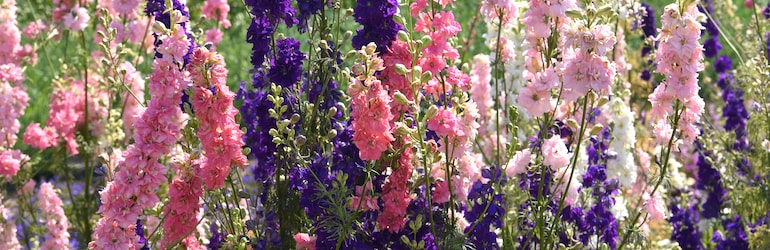
As we bid farewell to April’s chilly mornings, May brings with it a fresh burst of life to our gardens and orchards. In this article, we’ll explore what to sow and plant in May, from seeds to seedlings, and provide you with the essential guidance to get your garden thriving.
May Gardening: An Overview
As we transition from April’s gentle warmth to May’s full-throated sunshine, our gardens and orchards begin to transform. The days grow longer, and the temperatures rise, signaling the perfect time to plant a wide range of crops. Whether you’re an experienced gardener or just starting out, May is an excellent month to sow seeds, transplant seedlings, and nurture your garden’s growth.
What to Sow in May
May is an ideal time to sow seeds for various fruits, vegetables, and herbs. Some popular options include:
- Squash (zucchini, yellow crookneck, acorn squash)
- Melons (watermelon, cantaloupe, honeydew)
- Peppers (bell peppers, jalapeños, Anaheim peppers)
- Cucumbers
- Beans (bush and pole beans)
- Herbs (basil, cilantro, dill)
These warm-season crops can be direct-seeded into the ground, providing a burst of flavor and nutrition to your garden. Some additional tips for sowing seeds in May include:
- Choose high-quality seeds that are suitable for your climate and soil type.
- Follow the package instructions for sowing depth and spacing.
- Water the soil gently but thoroughly after sowing, and keep it consistently moist during the first few weeks.
- Consider using a trellis or other support for climbing plants like peas, beans, and cucumbers.
Which Plants to Transplant in May?
In addition to sowing seeds, May is also an excellent time for transplanting seedlings. Some popular options include:
- Asparagus
- Rhubarb
- Strawberries
- Lettuce and other salad greens
- Carrots
Transplanting seedlings allows you to move established plants from indoor containers or nurseries into their permanent homes in the garden. This can help prevent transplant shock and ensure a strong start for your new plants.
Some additional tips for transplanting seedlings in May include:
- Choose healthy, disease-free seedlings that are at least 4-6 inches tall.
- Harden off the seedlings before transplanting by gradually exposing them to outdoor conditions over the course of 7-10 days.
- Dig a hole that is twice as wide and just as deep as the root ball of the seedling.
- Water thoroughly after transplanting, and provide support for plants like tomatoes, peppers, and eggplant.
May Gardening Calendar: Lunar Planting Tips
Many gardeners swear by the power of lunar planting, where specific crops are planted during certain phases of the moon. While this may not be for everyone, it’s worth noting that some plants respond better to being planted during the waxing or waning phase.
- Waxing crescent: plant zucchini, yellow squash, cucumbers, and melons
- Full moon: plant beans, peas, and lettuce
- Waning gibbous: plant carrots, radishes, and beets
While lunar planting is not a hard-and-fast rule, it can help you make informed decisions about when to sow seeds or transplant seedlings based on the natural rhythms of nature.
May Gardening in Containers
If you’re gardening in containers, May is an excellent time to sow seeds for a variety of fruits, vegetables, and herbs. Some popular options include:
- Potatoes
- Sedum and other succulents
- Ravanelli and other vining plants
- Herbs (such as mint, lemongrass, and rosemary)
When growing in containers, it’s essential to consider factors like soil quality, drainage, and sunlight. Choose a container that is at least 6-8 inches deep to provide enough room for root growth.
Some additional tips for container gardening in May include:
- Use a well-draining potting mix specifically designed for containers.
- Water your plants regularly, but avoid overwatering, which can lead to root rot and other problems.
- Provide support for climbing plants like peas, beans, and cucumbers.
- Bring potted plants into the shade during hot weather to prevent scorching.
Tips and Tricks for May Gardening
As you embark on your May gardening journey, keep the following tips in mind:
- Check your soil temperature before planting warm-season crops like tomatoes, peppers, and eggplant. Most vegetables thrive when the soil temperature reaches at least 55°F (13°C).
- Choose varieties that are resistant to common pests and diseases in your area.
- Mulch around plants to retain moisture and suppress weeds.
- Keep an eye out for frost dates in your area, as some crops may still be sensitive to cooler temperatures.
Some additional tips for maintaining a healthy garden include:
- Rotate crops seasonally to avoid depleting the soil of specific nutrients.
- Use compost or other organic amendments to improve soil fertility and structure.
- Monitor for pests and diseases regularly, and take action promptly if you notice any issues.
Conclusion
May is a vibrant month in the garden, filled with opportunities to sow seeds, transplant seedlings, and nurture your garden’s growth. By understanding what to sow and plant in May, you’ll be well on your way to growing a lush and thriving garden that will reward you for months to come.
Frequently Asked Questions
- Q: What are the best vegetables to grow in May?
A: Some popular options include squash, melons, peppers, cucumbers, beans, and lettuce. - Q: Can I plant tomatoes in May?
A: Yes, but wait until the soil temperature reaches at least 55°F (13°C) before planting warm-season crops like tomatoes. - Q: How often should I water my plants in May?
A: Water your plants regularly, but avoid overwatering, which can lead to root rot and other problems. - Q: Can I grow herbs in containers in May?
A: Yes, many herbs thrive in containers, including mint, lemongrass, rosemary, and thyme. - Q: What is the best way to care for my new seedlings in May?
A: Provide your seedlings with plenty of sunlight, water them regularly, and keep the soil warm until they’re established.
Additional Resources
For more information on gardening in May, we recommend checking out these additional resources:
- Your local nursery or gardening store may offer workshops, classes, or one-on-one consultations to help you get started with your May gardening plans.
- Online gardening communities and forums can provide valuable advice and tips from experienced gardeners in your area.
- Gardening books and magazines often feature seasonal guides and planting charts that can help you make informed decisions about when to sow seeds or transplant seedlings.
By following these tips and guidelines, you’ll be well on your way to creating a thriving garden that will bring joy and satisfaction for months to come. Happy gardening!


