
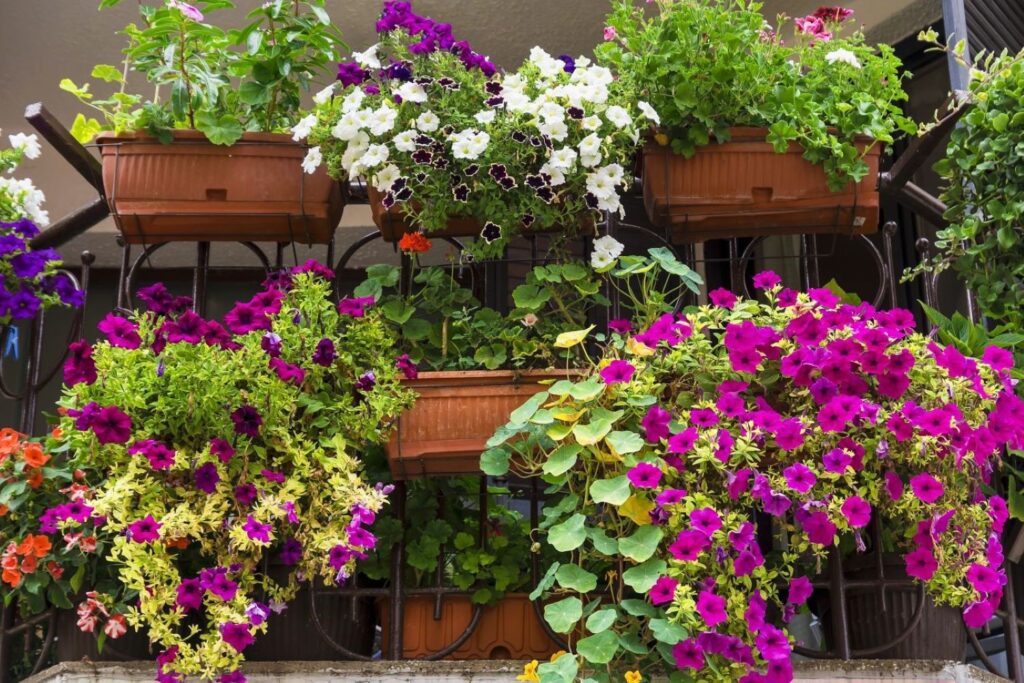
As the weather warms up in May, it’s the perfect time to start your balcony garden. Not only does it provide a sense of accomplishment, but it also allows you to enjoy fresh produce right outside your door.
Understanding Your Balcony Garden
A balcony garden is different from an indoor plant. It requires regular care and attention, including watering, pruning, and fertilization. But with the right knowledge, you can create a thriving oasis on your balcony that will provide you with a constant supply of fresh produce.
Before starting your balcony garden, it’s essential to understand the basic needs of plants. Most plants require:
- Well-draining soil: Plants don’t like soggy feet, so make sure your containers have good drainage holes.
- Full sun: Most vegetables and fruits need at least 6 hours of direct sunlight per day.
- Watering: Water your plants regularly, but avoid overwatering. Check the soil moisture by sticking your finger into the soil up to the first knuckle.
- Fertilization: Feed your plants with a balanced fertilizer to promote healthy growth.
Choosing What to Grow
When it comes to choosing what to grow on your balcony, there are many options to consider. In May, you can start growing vegetables such as zucchini, eggplant, bell peppers, and tomatoes. These plants are easy to care for and will provide you with a bounty of fresh produce.
Growing Zucchini on Your Balcony
Zucchini is one of the easiest vegetables to grow on your balcony. It prefers well-draining soil and full sun. To start growing zucchini, plant the seeds in a deep pot with good drainage. Water the soil regularly, but avoid overwatering. The plants will produce flowers and eventually fruit within 40-60 days.
Here are some tips for growing zucchini on your balcony:
- Choose a compact variety: Look for dwarf or bush varieties that won’t take up too much space.
- Provide support: Zucchini vines can get quite long, so make sure to provide a trellis or other support for them to climb.
- Keep the soil moist: Zucchini prefers well-draining soil and consistent moisture.
Growing Tomatoes on Your Balcony
Tomatoes are another popular choice for balcony gardens. They prefer well-draining soil and full sun. To start growing tomatoes, plant the seeds in a deep pot with good drainage. Water the soil regularly, but avoid overwatering. The plants will produce flowers and eventually fruit within 60-90 days.
Here are some tips for growing tomatoes on your balcony:
- Choose a compact variety: Look for dwarf or patio varieties that won’t take up too much space.
- Provide support: Tomato plants can get quite large, so make sure to provide a trellis or other support for them to grow up.
- Keep the soil moist: Tomatoes prefer well-draining soil and consistent moisture.
Growing Fruits on Your Balcony
In May, you can also start growing fruits such as peaches, plums, and cherries. However, these plants require more space and care than vegetables or herbs. Make sure to provide them with full sun and well-draining soil.
Here are some tips for growing fruits on your balcony:
- Choose compact varieties: Look for dwarf or compact varieties that won’t take up too much space.
- Provide support: Fruit trees can get quite large, so make sure to provide a trellis or other support for them to grow up.
- Keep the soil moist: Fruits prefer well-draining soil and consistent moisture.
Growing Herbs on Your Balcony
Herbs are a great addition to any balcony garden. They are easy to care for and can be used in a variety of dishes. In May, you can start growing herbs such as basil, rosemary, and thyme. These plants prefer well-draining soil and full sun.
Here are some tips for growing herbs on your balcony:
- Choose compact varieties: Look for dwarf or compact varieties that won’t take up too much space.
- Provide good air circulation: Herbs need air to breathe, so make sure to provide good air circulation around them.
- Keep the soil moist: Herbs prefer well-draining soil and consistent moisture.
Common Pests and Diseases on Your Balcony
As with any garden, pests and diseases can be a problem on your balcony. To prevent infestations, use natural methods such as neem oil or insecticidal soap. Regularly inspect your plants for signs of disease or pests and take action promptly.
Here are some common pests and diseases to watch out for:
- Aphids: These tiny insects feed on plant sap and can be spread by wind.
- Whiteflies: These small insects feed on plant sap and can be spread by wind.
- Spider mites: These tiny insects feed on plant sap and can cause yellowing leaves.
Tips for Growing on Your Balcony
Here are some additional tips to keep in mind when growing on your balcony:
- Choose containers that are at least 6-8 inches deep to provide enough room for the roots.
- Use a well-draining potting mix to prevent waterlogged soil.
- Water plants regularly, but avoid overwatering.
- Provide full sun for most vegetables and fruits.
- Fertilize plants regularly to promote healthy growth.
Conclusion
Starting your balcony garden in May is a great way to enjoy fresh produce right outside your door. With the right knowledge and care, you can create a thriving oasis on your balcony that will provide you with a constant supply of fresh produce. Whether you’re growing vegetables, fruits, or herbs, remember to choose containers that are well-draining, water regularly, and provide full sun for most plants.
Frequently Asked Questions
- What is the best time to start my balcony garden?
The best time to start your balcony garden is in May, when the weather warms up and pests are less active. - How often should I water my plants?
Water your plants regularly, but avoid overwatering. Check the soil moisture by sticking your finger into the soil up to the first knuckle. - What are some common pests that affect balcony gardens?
Common pests that affect balcony gardens include aphids, whiteflies, and spider mites. Use natural methods such as neem oil or insecticidal soap to control infestations. - How do I prevent diseases on my balcony garden?
Prevent diseases by providing good air circulation, watering plants regularly, and removing any diseased leaves or stems. - What are some tips for growing vegetables on my balcony?
Tips for growing vegetables on your balcony include choosing varieties that are compact or dwarf, using containers that are at least 6-8 inches deep, and providing full sun.
Additional Resources
- The Spruce: Balcony Gardening Guide
- Gardeners.com: Balcony Garden Tips and Tricks
- Fine Gardening: Balcony Gardening 101
By following these tips and guidelines, you can create a thriving balcony garden that will provide you with a constant supply of fresh produce. Happy gardening!


