
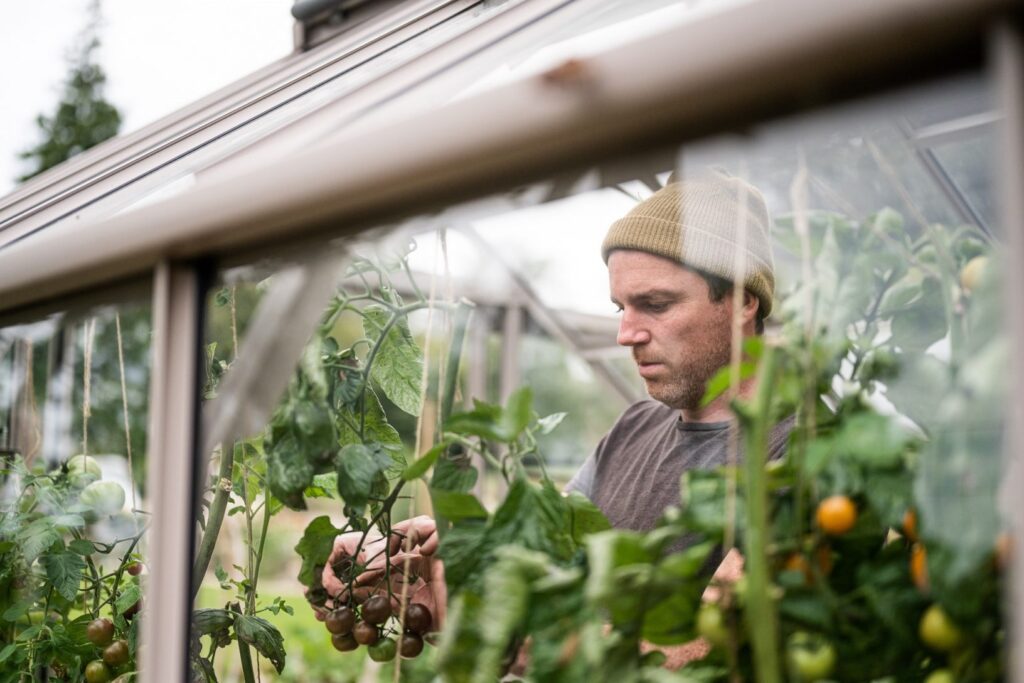
As the temperature drops and winter sets in, many gardeners wonder what they can grow in their greenhouses. The good news is that with proper planning and preparation, you can still enjoy a bountiful harvest even in the dead of winter.
Greenhouse Types for Winter Gardening
When it comes to growing crops under glass, there are two main types of greenhouses: cold frames and unheated greenhouses. Cold frames are ideal for regions with mild winters, while unheated greenhouses are better suited for areas with harsher climates.
At the heart of a greenhouse is the insulation system. This can be achieved through various materials such as polycarbonate or polyethylene sheets. However, the type and thickness of the sheeting used will depend on your location and climate.
For regions in the south, a 10mm-thick sheet may suffice, while those in the north should opt for at least 15mm of insulation to keep their greenhouses warm.
Winter Crops for Your Greenhouse
The following list includes some popular crops that can thrive under glass during the winter months:
- Leafy greens: Lettuce, spinach, kale, and collard greens are perfect for winter harvesting.
- Brassicas: Broccoli, cauliflower, cabbage, and Brussels sprouts are ideal for cold climates.
- Root vegetables: Carrots, beets, turnips, and radishes can be grown under glass during the winter months.
- Alliums: Garlic, onions, and shallots can be planted in the fall or early spring for a winter harvest.
- Mushrooms: Various types of mushrooms, such as button, cremini, and shiitake, can thrive in a greenhouse with proper ventilation and lighting.
- Strawberries: Alpine strawberries are well-suited for greenhouses and can produce fruit during the winter months.
- Herbs: Many herbs, such as parsley, rosemary, and thyme, can be grown under glass during the winter months.
Some crops, like tomatoes and peppers, are best grown in greenhouses that are heated to provide optimal growing conditions.
Tips for Winter Gardening
To ensure success in your greenhouse during the winter months, follow these essential tips:
- Air circulation: Regularly open your greenhouse door to allow fresh air to circulate. This will help prevent fungal diseases and reduce pest populations.
- Temperature control: Maintain a consistent temperature between 15°C and 20°C (59°F to 68°F). Avoid extreme temperatures, as this can damage plants or lead to pests.
- Lighting: Provide supplemental lighting if natural light is insufficient during the winter months. Use LED grow lights or fluorescent lights to ensure your crops receive adequate light.
- Pruning: Regular pruning will help prevent overcrowding and reduce disease risk. Prune plants regularly, removing any weak or damaged growth.
By following these guidelines, you can enjoy a thriving greenhouse even in the midst of winter.
Common Mistakes to Avoid
When it comes to winter gardening in a greenhouse, there are several common mistakes to avoid:
- Overcrowding: Avoid overcrowding your greenhouse, as this can lead to disease and pest infestation. Give plants enough space to breathe and receive adequate light.
- Insufficient ventilation: Make sure to provide proper ventilation in your greenhouse to prevent the buildup of carbon dioxide and moisture. This will help reduce the risk of fungal diseases and pests.
- Inadequate lighting: Ensure that your greenhouse receives adequate lighting during the winter months. Use supplemental lighting if necessary, as this can help promote healthy plant growth.
Frequently Asked Questions
Q: Can I grow tomatoes under glass during the winter?
A: While it’s possible to grow tomatoes under glass, they require more heat than most other crops. Consider using heated greenhouses or supplemental lighting if you’re determined to grow tomatoes year-round.
Q: How often should I open my greenhouse door for air circulation?
A: Aim to open your greenhouse door at least once a day during the hottest part of the day (usually between 11 am and 3 pm). This will help prevent fungal diseases and reduce pest populations.
Q: Can I use any type of insulation in my greenhouse?
A: While polycarbonate sheets are common, they may not provide enough insulation for regions with harsh winters. Consider using thicker materials like polyethylene or polycarbonate sheets specifically designed for cold climates.
Q: How do I prevent diseases and pests from affecting my crops?
A: Regular pruning, air circulation, and supplemental lighting can all help reduce the risk of disease and pest infestation. Monitor your plants regularly, removing any diseased or infested growth.
Conclusion
Winter gardening in a greenhouse is a rewarding experience that requires careful planning and attention to detail. By following these guidelines and avoiding common mistakes, you can enjoy a thriving greenhouse even in the midst of winter. Whether you’re growing leafy greens, brassicas, or alliums, remember to provide your crops with adequate light, temperature control, and air circulation. With the right techniques and materials, you can grow a wide variety of crops under glass during the winter months and enjoy a bountiful harvest throughout the year.
In addition to these general tips and guidelines, there are several specific considerations to keep in mind when planning your greenhouse for winter gardening. For example:
- Climate zones: If you live in an area with harsh winters, consider using thicker insulation materials or heated greenhouses to protect your crops.
- Crop selection: Choose crops that are well-suited for winter harvesting and can thrive under glass during the cold months.
- Soil preparation: Prepare your soil in advance by adding organic matter and nutrients to ensure optimal growth throughout the year.
By considering these factors and following the guidelines outlined above, you can create a thriving greenhouse ecosystem that produces a wide variety of delicious and nutritious crops throughout the year.


