
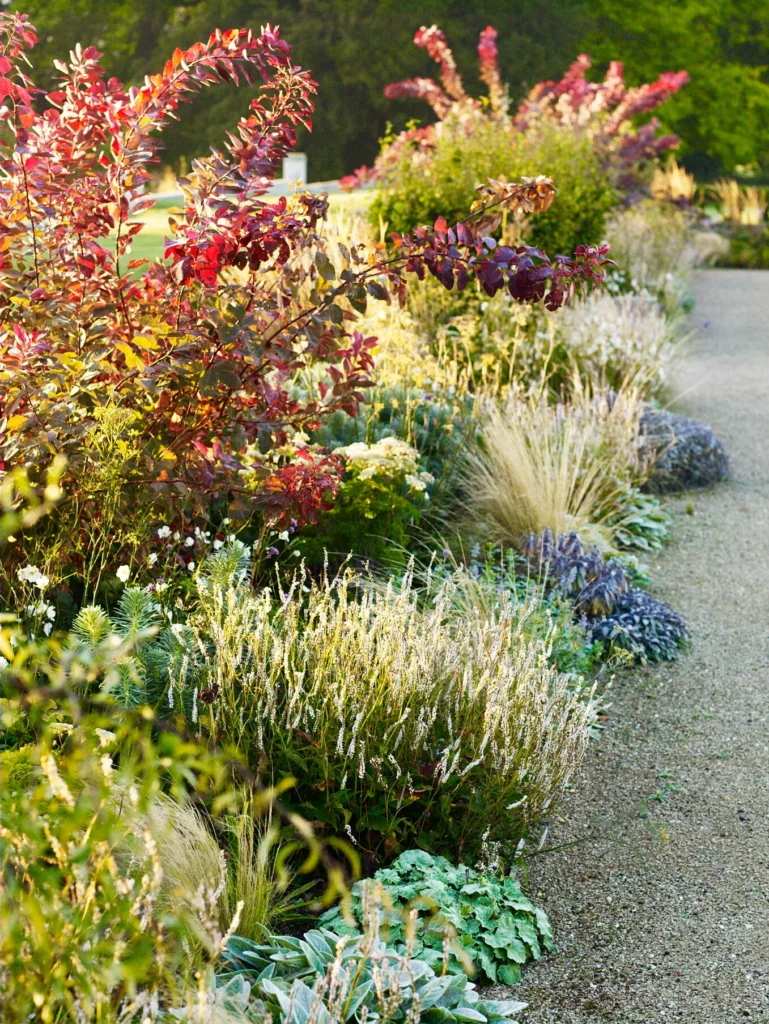
As the weather cools down, it’s time to think about what to grow and plant in your garden for the month of October. This article will guide you through the best options for planting and harvesting in October.
Understanding the Harvest Season
October is a great time to harvest a variety of crops that were sown during the spring and summer months. The cooler temperatures and shorter days signal the end of the growing season, but there’s still plenty of time to enjoy a bountiful harvest. In this article, we’ll explore some of the best options for planting and harvesting in October.
What to Seed in October
The list of crops that can be sown in October includes a variety of vegetables, fruits, and herbs. Here are some popular choices:
• Barberries: A low-maintenance shrub that produces bright red berries in the fall.
• Beetroot: A cool-season crop that’s rich in fiber, vitamins, and minerals.
• Cabbage: A hardy, cool-season crop that’s perfect for salads and sauerkraut.
• Carrots: While carrots are typically sown in April or May, some varieties can be sown in October for a fall harvest.
• Kale: A superfood that’s rich in vitamins, minerals, and antioxidants.
• Leeks: A slow-bolting crop that’s perfect for adding depth and flavor to soups and stews.
• Lettuce: A cool-season crop that comes in a variety of flavors and textures.
• Parsnips: A sweet, nutty root vegetable that’s perfect for roasting or boiling.
• Peas: Sugar snap peas are at their peak in October, while snow peas can be sown in late September or early October.
• Radishes: Quick-growing radishes can be harvested in as little as 20 days and add a spicy kick to salads and sandwiches.
• Spinach: A cool-season crop that’s rich in iron and antioxidants.
• Turnips: A hardy, cool-season crop that’s perfect for soups, stews, and roasted as a side dish.
In addition to these, there’s a lesser-known variety of carrot called the “purple carrot” that is rich in antioxidants. These include anthocyanins, which are powerful anti-inflammatory compounds. The purple carrot is a beautiful, vibrant color and has a sweeter flavor than traditional carrots.
Overwintering Plants
October is also an excellent time to start overwintering plants that were sown in August and September. Some popular choices for this month include:
• Garlic: Plant garlic cloves in the fall, about 6-8 weeks before the first frost, to allow them to mature over the winter.
• Onion: Like garlic, onions can be planted in the fall to allow them to mature over the winter.
• Kale: While kale is typically grown in the spring and summer, some varieties can be sown in October for a fall harvest.
• Spinach: Divide spinach plants into smaller sections before freezing to ensure they don’t become too leggy.
Other herbs like mint, rosemary, and thyme can also be planted as well. Make sure to choose a variety that’s suitable for your climate and growing conditions.
Fruit of the Season
October is a great time to enjoy some of the fruits that come into season, including:
• Apples: A classic fall fruit that’s perfect for snacking, baking, or making cider.
• Pears: Similar to apples, pears are at their peak in October and can be enjoyed fresh or cooked down into a delicious sauce.
• Grapes: Table grapes, wine grapes, and raisin grapes all come into season in October.
• Figs: Fresh or dried figs are a sweet and nutritious addition to any meal.
• Walnuts: Harvest walnuts in late fall for a delicious and nutritious snack.
• Hazelnuts: While hazelnuts are typically harvested in the spring, some varieties can be picked in late fall.
• Chestnuts: These ancient nuts are rich in protein and fiber and make a delicious addition to soups and stews.
In addition, there are several varieties of pumpkin and squash that can be enjoyed in October. Look for heirloom or specialty varieties like ‘Baby Boo’ or ‘Sweet Dumpling’ for a unique flavor and texture.
The Difference Between ‘Seasonal’ and ‘Non-Seasonal’ Produce
Be careful not to confuse seasonal produce with non-seasonal produce. For example, asparagus is typically considered a non-seasonal fruit, but some varieties can be harvested between September and November.
The same applies to zucchini and other summer squash. While they are still in season during October, there are other varieties that may have finished their harvest period. Make sure to check the specific growing season for each crop to ensure you’re enjoying the freshest and most nutritious options.
Why Choose Seasonal Produce?
Choosing seasonal produce has several benefits:
• Better taste: The flavor of fresh, seasonal produce is hard to match with store-bought options.
• Greater nutritional value: Many fruits and vegetables peak in terms of nutrition during the fall season.
• Environmental sustainability: Buying locally grown produce can reduce carbon emissions.
By choosing what’s in season, you can enjoy delicious and nutritious food while also supporting local farmers. Remember to check out some of our recommended varieties for planting this month, and get ready to reap the rewards of your hard work!
Frequently Asked Questions
- What is the best way to plant carrots in October?
-
Plant carrot seeds about ¼ inch deep and ¼ inch apart in well-draining soil.
-
How do I store garlic for overwintering?
-
Store garlic cloves in a cool, dark place with good air circulation.
-
Can you still grow asparagus in October?
-
While asparagus is typically considered a non-seasonal crop, some varieties can be harvested between September and November.
-
What are the differences between zucchini and summer squash?
-
Zucchini and other summer squash have a high water content and are best used when they’re young and tender.
-
How do I care for my pumpkin plants in October?
-
Provide pumpkins with full sun, well-draining soil, and regular watering to promote healthy growth.
-
Can you still grow lettuce in October?
-
Yes, there are several varieties of lettuce that can be grown during the fall season.
-
What are some tips for overwintering spinach?
-
Divide spinach plants into smaller sections before freezing to ensure they don’t become too leggy.
-
How do I harvest my pumpkin in October?
-
Pumpkins typically take about 100 days to mature and should be harvested when they’re fully ripe and have a hard, smooth rind.
-
What are some common pests that can affect pumpkin plants?
-
Common pests like squash bugs, cucumber beetles, and powdery mildew can affect pumpkin plants in October.
-
How do I care for my garlic over the winter?
- Plant garlic cloves in well-draining soil with full sun to partial shade, about 6-8 weeks before the first frost.


