
Introduction
As the summer months approach, June marks the beginning of a bountiful harvest of fresh fruits and vegetables. If you’re new to gardening or looking to revitalize your existing garden, this guide will walk you through the best crops to grow in June, providing you with the essential knowledge to get started.
For many gardeners, June is a crucial month for planting warm-season crops that thrive in the warmer temperatures of summer. By taking advantage of this opportunity, you can enjoy a wide range of fresh produce from your garden before the heat of summer sets in.
Why Grow in June?
June is an ideal time to start planting warm-season crops because it provides the perfect conditions for growth. The average high temperature in June ranges from the mid-70s to mid-80s Fahrenheit (23-30°C), depending on your location. This mild weather allows seeds to germinate quickly and establish themselves before the heat of summer.
In addition, June marks the beginning of the growing season for many crops that have a long maturation period. By planting in June, you can enjoy the first fruits of your labor before the summer heat sets in. Whether you’re new to gardening or looking to revitalize your existing garden, this month offers a chance to start cultivating a thriving garden.
Seasonal Fruits and Vegetables
In June, you can expect to harvest a variety of seasonal produce, including:
- Fruits:
- Stone fruits like peaches, nectarines, plums, and apricots
- Berries such as strawberries, blueberries, raspberries, blackberries, and currants
- Melons like watermelon, cantaloupe, and honeydew
- Citrus fruits like lemons, limes, and oranges
- Vegetables:
- Leafy greens like lettuce, spinach, kale, and arugula
- Broccoli, cauliflower, and other Brassicas
- Corn, beans, and other warm-season crops
- Cucumbers, squash, zucchini, and summer peas
What to Plant in June
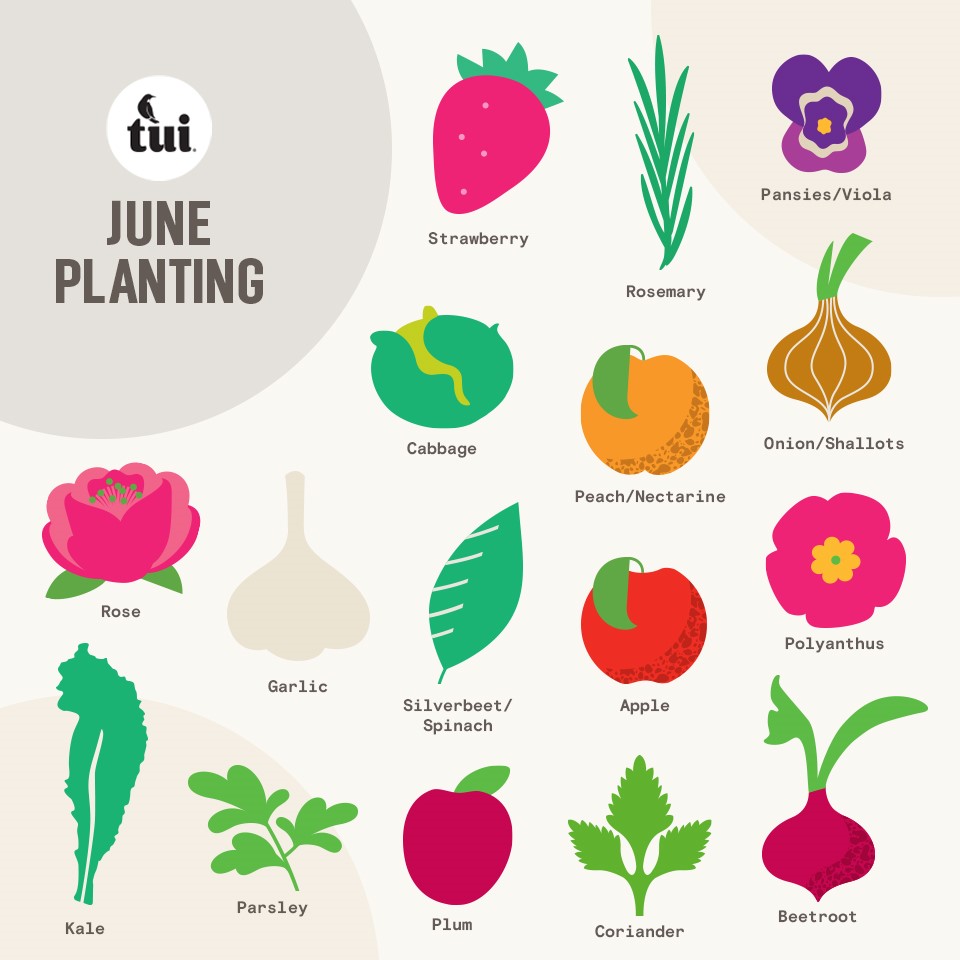
This month is perfect for sowing a wide range of vegetables and herbs. Some popular options include:
- Root vegetables:
- Carrots
- Beets
- Radishes
- Turnips
- Rutabaga
- Leafy greens:
- Lettuce
- Spinach
- Kale
- Arugula
- Chard
- Brassicas:
- Broccoli
- Cauliflower
- Cabbage
- Bok choy
- Herbs:
- Basil
- Cilantro
- Dill
- Mint
- Parsley
Tips for Sowing in June
When sowing seeds in June, keep the following tips in mind:
- Choose a sunny location: Most vegetables and herbs require at least six hours of direct sunlight per day.
- Prepare the soil: Loosen the top layer of soil to a depth of about 8-10 inches (20-25 cm) and remove any debris or weeds.
- Water thoroughly: Water your seeds well after sowing, and keep the soil consistently moist during the first few weeks.
Common Mistakes to Avoid
To ensure a successful harvest, avoid these common mistakes:
- Overwatering: Vegetables need consistent moisture, but overwatering can lead to root rot and other problems.
- Insufficient sunlight: Most vegetables require at least six hours of direct sunlight per day.
- Inadequate soil preparation: Failing to loosen the top layer of soil can hinder seed germination and growth.
What to Plant in Containers
If you have limited space or want to grow a variety of crops on your balcony, consider planting in containers. Some popular options for container gardening include:
- Zucchini
- Cucumbers
- Carrots
- Radishes
- Lettuce
- Herbs like basil and mint
When growing vegetables in containers, keep the following tips in mind:
- Use a well-draining potting mix: Avoid using regular garden soil in containers, as it can compact and prevent proper drainage.
- Provide adequate sunlight: Most vegetables require at least six hours of direct sunlight per day.
- Water consistently: Water your container plants regularly, but avoid overwatering.
What to Plant in July
If you’re new to gardening or looking to revitalize your existing garden, consider planting these crops in July:
- Zucchini
- Cucumbers
- Squash
- Corn
- Beans
- Spinach
- Lettuce
- Herbs like basil and mint
Frequently Asked Questions
- Q: What is the best way to prepare the soil for June planting?
A: Loosen the top layer of soil to a depth of about 8-10 inches (20-25 cm) and remove any debris or weeds. - Q: How often should I water my seeds in June?
A: Water your seeds well after sowing, and keep the soil consistently moist during the first few weeks. - Q: Can I grow vegetables in containers on my balcony?
A: Yes! Consider planting zucchini, cucumbers, carrots, radishes, lettuce, and herbs like basil and mint in containers.
Maintaining a Healthy Garden
- Fertilize regularly: Fertilize your garden regularly to provide essential nutrients for healthy growth.
- Mulch around plants: Mulching helps retain moisture in the soil and suppresses weeds.
- Monitor for pests and diseases: Keep an eye out for signs of pests or diseases, and take action promptly if you notice any issues.
By following these guidelines and avoiding common mistakes, you’ll be well on your way to growing a thriving summer garden in June. Happy gardening!
Additional Tips
- Companion planting: Planting different vegetables together can help deter pests and improve growth.
- Crop rotation: Rotate crops seasonally to maintain soil health and prevent pests and diseases from building up.
- Soil testing: Test your soil regularly to determine its pH level and nutrient content.
By incorporating these additional tips into your gardening routine, you’ll be able to create a balanced and thriving garden that produces a wide range of delicious fruits and vegetables all summer long.


