
As the summer sun reaches its peak, many gardeners wonder what they can grow in their gardens and orchards during this transitional month. While it’s true that August marks a shift from warm weather to cooler temperatures, there are still many delicious and nutritious crops you can cultivate.
In this article, we’ll explore the best vegetables, fruits, and herbs to grow in August, considering factors like climate, soil type, and sunlight. We’ll also discuss how to prepare your garden for the changing seasons and provide tips on pest management and care.
What Can You Grow in August?
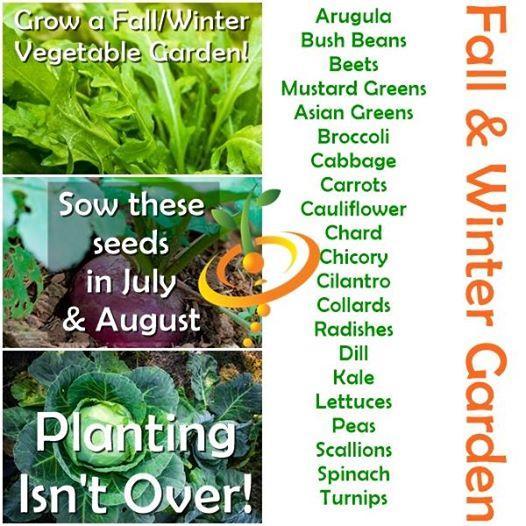
In August, you can still grow a wide variety of crops, including leafy greens, brassicas, root vegetables, alliums, and herbs. These crops are perfect for the warm weather, provided you give them adequate moisture, sunlight, and fertilizer.
Some of the most popular crops to grow in August include:
- Leafy greens like lettuce, spinach, kale, and arugula
- Brassicas such as broccoli, cauliflower, cabbage, and radishes
- Root vegetables like carrots, beets, turnips, and rutabaga
- Alliums like garlic, onions, and shallots
- Herbs like basil, mint, cilantro, and dill
These crops can thrive in August’s warm weather, provided you give them adequate moisture, sunlight, and fertilizer.
Which Vegetables Are Suitable for August Planting?
Before we dive into the specific vegetables to grow in August, it’s essential to consider a few factors that will affect their growth. These include:
- Climate: In areas with high temperatures and humidity, choose heat-tolerant crops like okra, southern peas, and sweet potatoes.
- Soil type: If your soil is heavy clay or sandy, choose crops that prefer well-draining or fertile soils, respectively.
- Sunlight: Most vegetables require at least 6 hours of direct sunlight per day.
Considering these factors, some of the best vegetables to grow in August include:
- Leafy greens like lettuce, spinach, kale, and arugula
- Brassicas such as broccoli, cauliflower, cabbage, and radishes
- Root vegetables like carrots, beets, turnips, and rutabaga
- Alliums like garlic, onions, and shallots
- Herbs like basil, mint, cilantro, and dill
How to Plant Vegetables in August
To plant vegetables successfully in August, follow these steps:
- Choose the right location: Select a spot that receives full sun (at least 6 hours of direct sunlight) and has well-draining soil.
- Prepare the soil: Add organic matter like compost or manure to improve soil fertility and structure.
- Sow seeds at the right depth: Follow the package instructions for sowing depth, as different vegetables have varying requirements.
- Water consistently: Keep the soil moist but not waterlogged, especially during hot summer days.
Tips for Growing Vegetables in August
To ensure a successful harvest, follow these additional tips:
- Plant cool-season crops like broccoli and cauliflower at least 8 weeks before the first frost date to allow them to mature.
- Use row covers or other forms of protection to prevent pests and diseases from damaging your crops.
- Mulch around your plants to retain moisture and suppress weeds.
- Keep an eye out for common pests like aphids, whiteflies, and hornworms.
What Can You Harvest in August?
August is a bountiful month for harvests, with many fruits and vegetables ripe for picking. Some of the best options include:
- Melons like cantaloupe, honeydew, and watermelon
- Squash like zucchini, yellow crookneck, and acorn squash
- Corn, beans, and other warm-season crops
- Berries like strawberries, blueberries, raspberries, and blackberries
- Leafy greens like lettuce, spinach, and kale
When to Plant Vegetables: A Monthly Guide
To help you plan your garden, we’ve created a monthly guide on when to plant different vegetables:
- January: Sow cool-season crops like broccoli, cauliflower, and carrots.
- February: Sow spinach, lettuce, and other leafy greens.
- March: Sow peas, beans, and other warm-season crops.
- April: Sow tomatoes, peppers, and eggplants.
- May: Sow corn, squash, and cucumbers.
- June: Sow okra, southern peas, and sweet potatoes.
- July: Sow heat-loving crops like hot peppers, eggplant, and okra.
FAQs
- What’s the best way to prevent weeds in my garden?
Use mulch, cover crops, or hand-weeding to control weeds. - How do I care for my tomato plants?
Provide support, fertilize regularly, and keep the soil consistently moist. - Can I grow vegetables in containers?
Yes, many vegetables can thrive in containers, but make sure they receive enough sunlight and water. - What’s the difference between determinate and indeterminate tomatoes?
Determinate tomatoes are bush-type plants that produce fruit all at once, while indeterminate tomatoes are vining plants that produce fruit continuously throughout the season. - How often should I fertilize my vegetables?
Fertilize your vegetables regularly, following the package instructions for the recommended frequency.
Pest Management in August
As the summer heat increases, so does the risk of pests and diseases affecting your crops. To protect your garden, follow these tips:
- Use row covers or other forms of protection to prevent pests like aphids, whiteflies, and hornworms.
- Monitor your plants regularly for signs of disease or pest infestation.
- Use natural methods like neem oil, garlic spray, or soap solution to control pests and diseases.
Tips for Caring for Your Garden in August
To keep your garden thriving throughout the summer, follow these additional tips:
- Water deeply but infrequently to encourage deep root growth and make plants more resistant to drought.
- Use compost tea or other forms of organic matter to improve soil fertility and structure.
- Provide support for climbing plants like peas, beans, and squash.
- Mulch around your plants to retain moisture and suppress weeds.
By following these guidelines and tips, you’ll be well on your way to growing a thriving and diverse garden in August. Happy gardening!


