
As a responsible cat owner, you want to ensure that your feline friend is receiving the best possible nutrition. But with so many options available, it can be overwhelming to decide what to feed your cat. In this article, we’ll explore the importance of a balanced diet for cats, discuss the benefits of commercial cat food versus homemade meals, and provide guidance on how to choose the right food for your cat’s individual needs.
The Importance of a Balanced Diet for Cats
Cats are obligate carnivores, which means they require a diet rich in animal-derived protein to survive. Their digestive system is specifically designed to break down high amounts of protein, and a lack of it can lead to serious health problems. Some common symptoms of a poorly balanced diet include:
- Poor coat condition
- Dry skin
- Weight loss or gain
- Increased risk of urinary tract infections
- Reduced fertility
A well-balanced diet for cats should provide the following essential nutrients:
- Protein: Cats require a minimum of 30% protein on a dry matter basis.
- Fat: Cats need fat for energy and to maintain their skin and coat health.
- Carbohydrates: While cats don’t require much carbohydrates, they do need some to maintain their energy levels.
- Fiber: Cats require fiber to maintain healthy digestion and bowel movements.
- Vitamins and minerals: Cats require vitamins A, D, E, and K, as well as minerals like calcium, phosphorus, and potassium.
The Benefits of Commercial Cat Food
While some cat owners may prefer to feed their cats homemade meals, commercial cat food has several benefits. For one, it is designed to meet the nutritional needs of cats and can provide a more balanced diet than a homemade meal. Additionally, many commercial cat foods are formulated to support specific health issues, such as kidney disease or obesity.
Some of the benefits of commercial cat food include:
- Convenience: Commercial cat food is easy to store and prepare, making it a convenient option for busy pet owners.
- Consistency: Commercial cat food provides a consistent nutritional profile, ensuring that your cat receives a balanced diet every time.
- Quality control: Reputable manufacturers follow strict quality control measures to ensure their products are safe and nutritious.
- Cost-effective: Commercial cat food can be more cost-effective than feeding your cat homemade meals.
The Drawbacks of Homemade Meals
While there’s nothing wrong with cooking for your cat at home, there are some drawbacks to consider. For one, it can be difficult to ensure that the food is nutritionally balanced, and homemade meals often lack the preservatives and additives found in commercial cat foods. Furthermore, many cat owners may not have the time or expertise to prepare a healthy meal for their cat.
Some of the drawbacks of homemade meals include:
- Nutritional imbalance: Homemade meals can be prone to nutritional imbalances if not prepared correctly.
- Lack of convenience: Preparing homemade meals requires time and effort, which can be challenging for busy pet owners.
- Limited shelf life: Homemade meals typically have a shorter shelf life than commercial cat food, making it difficult to store and transport them.
Choosing the Right Food for Your Cat’s Individual Needs
With so many options available, it can be overwhelming to choose the right food for your cat’s individual needs. Here are some factors to consider:
- Age: Kittens require more protein and calories than adult cats.
- Breed: Some breeds, such as Siamese cats, may have specific dietary needs due to their genetics.
- Health status: Cats with kidney disease or other health issues may require a special diet.
- Lifestyle: Indoor cats may require less protein and calories than outdoor cats.
When choosing a food for your cat, consider the following:
- Look for foods that are made by reputable manufacturers.
- Choose foods that meet the nutritional levels established by the Association of American Feed Control Officials (AAFCO).
- Consider your cat’s individual needs and preferences when selecting a food.
- Consult with your veterinarian if you have any questions or concerns about your cat’s diet.
Foods That Are Safe for Cats
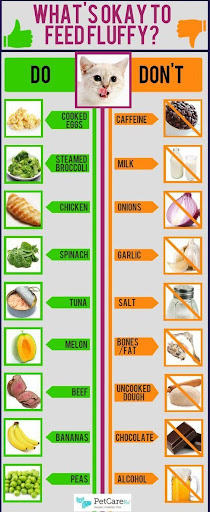
While there are many foods that are toxic to cats, there are also some safe options. Here are some examples:
- Cooked chicken
- Cooked fish (without bones or skin)
- Plain yogurt
- Canned tuna (in water)
Some other foods that are safe for cats include:
- Cooked eggs
- Cooked turkey
- Cooked beef
- Cooked lamb
Foods That Are Toxic to Cats
On the other hand, there are many foods that can be toxic to cats. Some common culprits include:
- Onions and garlic
- Chocolate
- Grapes and raisins
- Xylitol
Some other foods that are toxic to cats include:
- Raw or undercooked meat
- Bones (can cause obstruction or splintering)
- Milk (can cause digestive upset in some cats)
Tips for Introducing New Foods to Your Cat
When introducing new foods to your cat, it’s essential to do so gradually. Here are some tips:
- Start with small amounts: Begin by feeding your cat a small amount of the new food and gradually increase the serving size over time.
- Mix with familiar foods: Combine the new food with your cat’s regular diet to help them adjust.
- Watch for signs of distress: Monitor your cat’s behavior and appetite, and seek veterinary advice if you notice any adverse reactions.
Frequently Asked Questions
Here are some frequently asked questions about feeding your cat:
Q: How often should I feed my cat?
A: The frequency of feeding depends on the age, size, and activity level of your cat. Generally, kittens require more frequent meals than adult cats.
Q: What is the best type of food for my indoor cat?
A: Indoor cats typically require less protein and calories than outdoor cats. Look for foods that are specifically formulated for indoor cats or those with reduced protein content.
Q: Can I feed my cat raw meat?
A: While some cat owners may prefer to feed their cats raw meat, it’s not recommended due to the risk of bacterial contamination and nutritional imbalances.
Q: How often should I clean my cat’s food bowl?
A: It’s essential to clean your cat’s food bowl daily to prevent bacterial growth and contamination.
Conclusion
Feeding your cat is a critical aspect of their overall health and well-being. By understanding the importance of a balanced diet, choosing the right food for your cat’s individual needs, and following some simple tips, you can ensure that your feline friend stays happy and healthy. Remember to always consult with your veterinarian if you have any questions or concerns about your cat’s diet.
FAQs
Q: What is the best way to store canned tuna?
A: Canned tuna should be stored in a cool, dry place and kept away from direct sunlight.
Q: Can I feed my cat cooked chicken broth?
A: While some cat owners may prefer to feed their cats cooked chicken broth, it’s not recommended due to the risk of bacterial contamination and nutritional imbalances.
Q: How often should I rotate my cat’s food?
A: It’s essential to rotate your cat’s food regularly to prevent boredom and ensure they receive a balanced diet. Aim to switch between 2-3 foods every 6-8 weeks.
Q: Can I feed my cat fruits and vegetables?
A: While some fruits and vegetables are safe for cats, it’s best to avoid feeding them too much due to the risk of digestive upset.
Q: How often should I check my cat’s stool?
A: It’s essential to check your cat’s stool regularly to monitor their digestive health. Aim to inspect your cat’s stool daily and seek veterinary advice if you notice any adverse reactions.
Q: Can I feed my cat treats?
A: While some treats can be healthy for cats, many contain high amounts of sugar, salt, or other unhealthy ingredients. It’s best to choose low-calorie, nutrient-rich treats in moderation.
Q: How often should I take my cat to the vet for regular check-ups?
A: Regular check-ups with your veterinarian are essential to monitor your cat’s health and detect any potential issues early on. Aim to visit your veterinarian at least once a year.
By following these guidelines and tips, you can ensure that your cat is receiving the best possible nutrition and living a happy and healthy life.


